A powerful nor’easter struck the US East Coast last weekend, impacting areas from North Carolina through New England with heavy winds, rainfall, coastal flooding, and hazardous sea conditions.
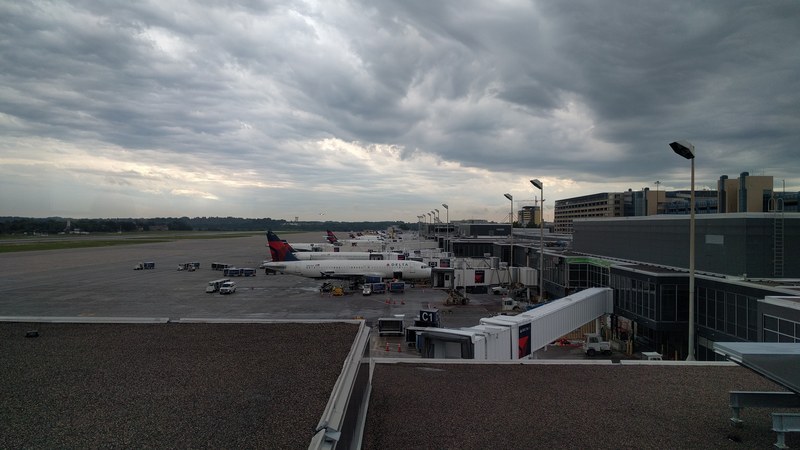
The storm produced significant travel disruptions, grounding more than 3,000 flights nationwide and causing nearly 430 flight cancellations, according to FlightAware data. Airports in the Northeast, including Logan Airport in Boston, were among those affected.
Human Impact and Local Damage
In New York City, the nor’easter caused high winds that felled trees and power lines across multiple boroughs. A 56-year-old employee of the New York City Housing Authority died in Brooklyn when a tree fell on him.
In Queens, a downed tree and power lines forced a road closure in Glendale around 5:40 pm on Saturday. Nearby, the New York City Fire Department evacuated a building as a precaution; no injuries were reported.
State of Emergency Declarations and Official Warnings
Governor Kathy Hochul declared a state of emergency covering eight New York counties: Bronx, Brooklyn, Nassau, Manhattan, Queens, Staten Island, Suffolk, and Westchester. In New Jersey, eight counties remained under a prior state of emergency as the storm impacted the region. The Federal Aviation Administration urged travelers to check with airlines for up-to-date flight information before traveling.
Coastal Flooding Along New Jersey and New England
The nor’easter pushed seawater inland along the
New Jersey coast, flooding streets and homes. The National Weather Service forecasted major coastal flooding from the Jersey Shore to the northern Outer Banks of North Carolina, with moderate flooding in parts of Massachusetts. Boston and southeastern New England experienced strong winds, stormy seas, and flooding. Dangerous rip currents and waves continued along the coast even after the storm center had passed.
Ongoing Travel Disruptions and Safety Concerns
Road travel on the East Coast remained affected by fallen trees, downed power lines, and flooding. Persistent coastal flooding risks continue as tides cycle despite weakening winds. Air travel continues to be disrupted, with the Federal Aviation Administration
recommending travelers confirm flight statuses with airlines. The storm’s impacts remain active into early this week along the affected regions.