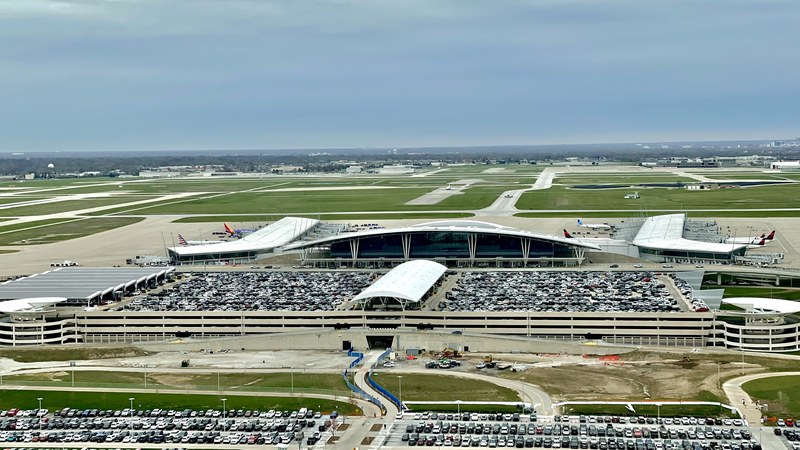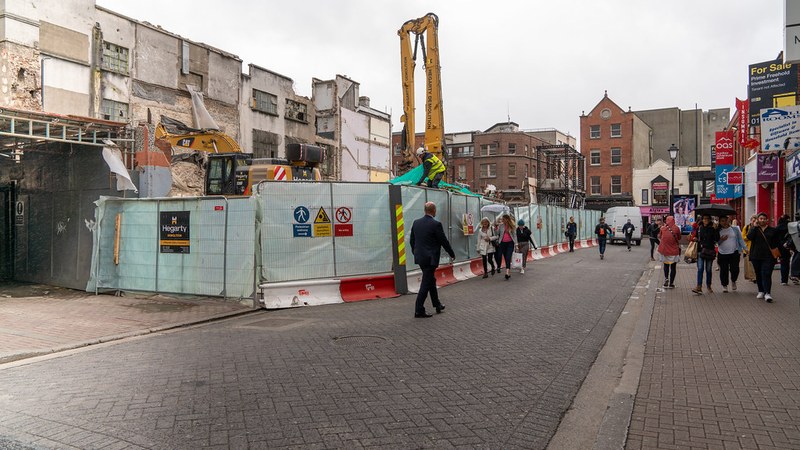
A Federal Aviation Administration (FAA) equipment outage caused by a severed Verizon fiber-optic backup cable disrupted flights across major airports in the New York metropolitan and Philadelphia areas on Monday, September 21, 2026. The fiber-optic cable was cut accidentally by a NJ Transit construction crew working on a rail project between New Brunswick and North Brunswick, New Jersey, about 10 feet from marked utilities. The outage affected FAA Terminal Radar Approach Control (TRACON) systems in Philadelphia that guide flights for Newark Liberty International Airport and Philadelphia International Airport. The primary circuit failed earlier, and when switching to the backup, the
break in the backup fiber was discovered.
Major Flight Cancellations and Delays Across Airports
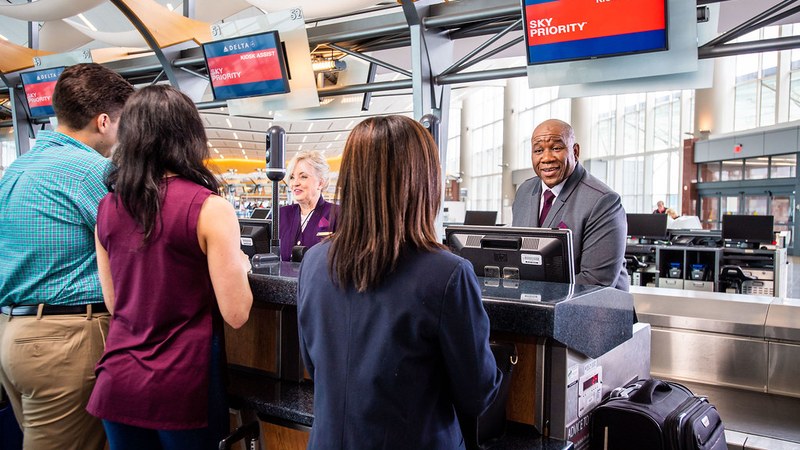
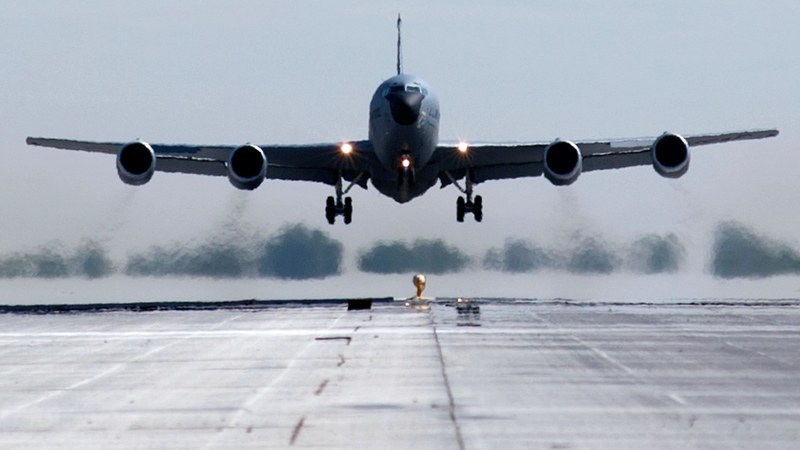
By 6 p.m. local time, over 600 flights in and out of Newark were canceled, accounting for more than half of that day’s scheduled departures and arrivals. Nearly 100 flights remained delayed at Newark. Philadelphia International Airport experienced over 200 flight cancellations and more than 400 delays. The outage also halted flights into LaGuardia Airport and John F. Kennedy International Airport in New York City, as well as Teterboro Airport in New Jersey, though operations began resuming with residual delays by late afternoon.
More than 100 flights originally bound for Newark were diverted
to other U.S. airports. International routes affected included flights from Iceland, Egypt, Greece, Spain, and France. A United Airlines flight from Berlin was diverted to Detroit Metropolitan Wayne County Airport, while an SAS flight from Stockholm destined for Newark landed instead at Washington Dulles International Airport.
Airline Responses to Flight Disruptions
United Airlines waived flight change fees for travelers impacted by the outage and offered additional pay incentives to staff covering disrupted trips at Newark, including providing commuting assistance to the New York City area. American Airlines, which operates a hub at Philadelphia International Airport, also waived change fees and permitted passengers to depart from
alternate airports to adjust for delays and cancellations.
Traveler Impacts: Delays, Diversions, and Flight Groundings
The FAA implemented ground stops that paused flights temporarily during the outage, causing delays of up to 150 minutes for many passengers. Diverted flights added extended travel times for travelers arriving from Europe and other U.S. destinations. Airport terminals at Newark, Philadelphia, JFK, LaGuardia, and Teterboro experienced operational disruptions that continued into the evening despite repair efforts.
Official Statements on Cause and Repair Efforts
FAA Administrator Bryan Bedford explained that the outage resulted from an initial circuit failure and a break in the backup fiber. He said, “when it went to flip into the backup, we discovered the backup
fiber had a break.” Verizon stated their facilities were fully operational before the incident and that “Construction contractors working in the area dug up and cut our cable.” Verizon added the company bears no responsibility for the incident but deployed technicians immediately to repair the cable and restore connectivity.
NJ Transit acknowledged its construction crew “accidentally severed a fiber-optic cable while working at the site” and is investigating the utility markings near the damaged cable. Transportation Secretary Sean Duffy said the incident highlights the need for modernization of air traffic control infrastructure to prevent future disruptions. The disruption occurred hours
before the United Nations General Assembly convened in New York City.
Industry Context and Infrastructure Modernization
The fiber cut affected backup data feeds critical to FAA Terminal Radar Approach Control systems, illustrating underlying issues with aging U.S. air traffic control equipment. The Trump administration announced a multibillion-dollar modernization plan last year targeting these systems. Transportation Secretary Sean Duffy emphasized that additional funding is essential to upgrade infrastructure and prevent similar outages in the future.