Australia’s government announced on June 2026 new immigration policies to reduce net overseas migration (NOM) to 245,000 in the 2026-27 financial year and 225,000 in 2027-28. Home Affairs and Immigration Minister Tony Burke revealed the reforms address international students’ family visas, backpacker visa access, and visa overstayers.
Restrictions on Student Family Visa Access
The reforms largely restrict international students from bringing dependents to Australia, with exceptions only for PhD students and those sponsored by foreign governments. In 2025-26, Australia granted 337,400 student visas, including approximately 46,000 for dependents. More than 70% of these dependent visas went to South Asian countries such as Nepal, Bangladesh, Bhutan, India,
and Sri Lanka. Burke highlighted that most students will have to arrive alone under the new rules. A “no further stay” condition will be added to all visitor visas to curb visa hopping and ensure visas serve their intended short-term purpose.
Enhanced Enforcement and Detention Measures
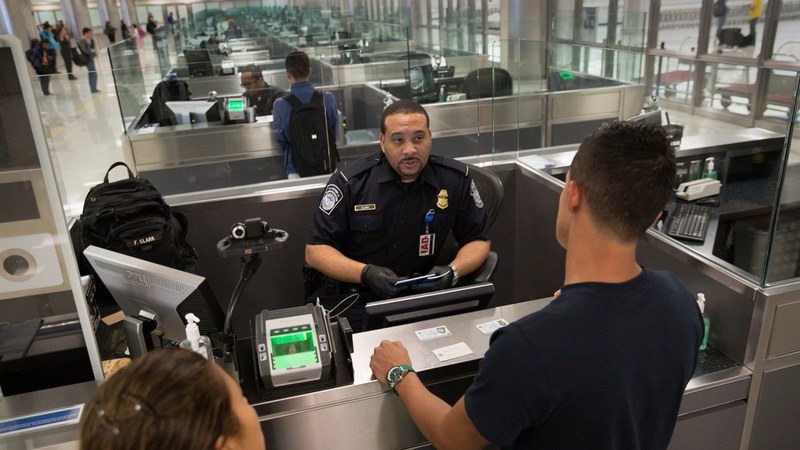
The government plans to repurpose a former Melbourne quarantine facility into a detention centre to house visa overstayers. It will also add 100 compliance officers to ensure foreigners without valid visas leave the country. Tony Burke emphasized that unlike immigration enforcement agencies overseas, the approach will not resemble the US ICE operations. He criticized the onshore bridging visa system
that allowed visa holders to remain in Australia while awaiting application outcomes, calling it a “double standard” that led to complications.
Backpacker Visa Reforms and Processing Changes
Changes to backpacker visa rules include introducing a ballot system for second and third year visa eligibility, coupled with a requirement to perform regional work. Processing times for working holidaymaker visas will stabilize at around three months, longer than the typical five-day onshore processing currently experienced. However, UK working holidaymakers remain exempt from the regional work and cap requirements under Australia’s free trade agreement with the UK. There are currently nearly 80,000 UK working holidaymakers in Australia, more than
double the pre-pandemic peak.
Industry Reactions and Skilled Migration Prioritization
Universities Australia CEO Luke Sheehy said international student commencements are down 8% this year and urged the government to adjust policies to realistically meet student visa targets given the new caps and visa charges. The Business Chamber of Australia’s CEO Bran Black welcomed the changes but expressed concern that skilled worker visa processing could face delays. The new rules will prioritize applicants with skills in healthcare, construction, education, law enforcement, defence, resources, agriculture, aquaculture, and fishing industries. The character test will be updated to target violence and hatred-related issues. Penalties for migration agents involved in visa
fraud will be increased.
Impact on Travellers
The policy changes mean most international students must travel without families, except for PhD students and government-sponsored scholars. Visitor visa applicants will receive a “no further stay” condition to prevent extensions or transitions into other visa categories. Backpackers will face new restrictions to access longer stay visas through a regional work requirement and ballot system. Visa overstayers will face stronger enforcement, including possible detention at the Melbourne facility. UK working holidaymakers remain excluded from these new regional work and visa cap restrictions, yet processing delays are expected to slow visa approvals for other nationalities.