Chicago O’Hare International Airport experienced a near two-hour Federal Aviation Administration (FAA) ground stop on September 17, 2026, resulting in 1,055 flight delays and 175 cancellations, according to FlightAware data updated at 1:41 PM ET. The FAA reported ground delays averaged 126 minutes as thunderstorm activity moved through the Chicago region.
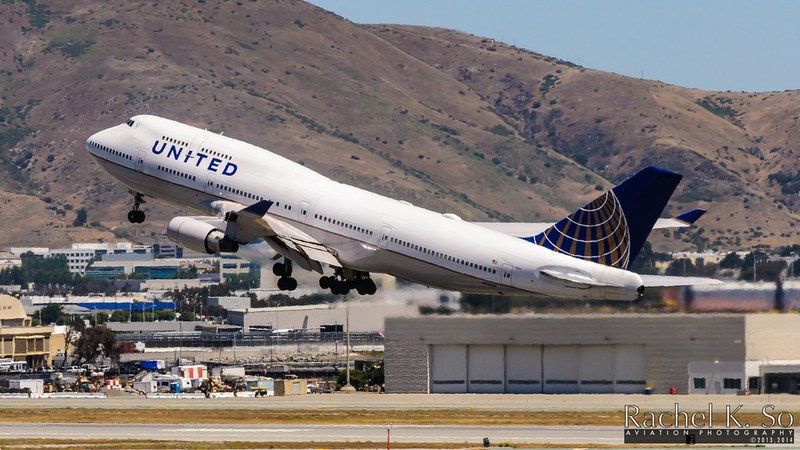
Major airlines operating hubs at O’Hare, including United Airlines, American Airlines, and Southwest Airlines, saw significant disruption. Southwest Airlines recorded 893 delayed flights nationwide on the same day, with a substantial portion linked to its Chicago operations. Regional carriers SkyWest, Republic Airways, and Envoy Air also reported delays and
cancellations associated with O’Hare’s ground stop. The airport accounted for roughly a quarter of the total flight delays nationwide on September 17, underscoring its role as one of the busiest connecting hubs in the United States.
Traveler Impact and Passenger Rights
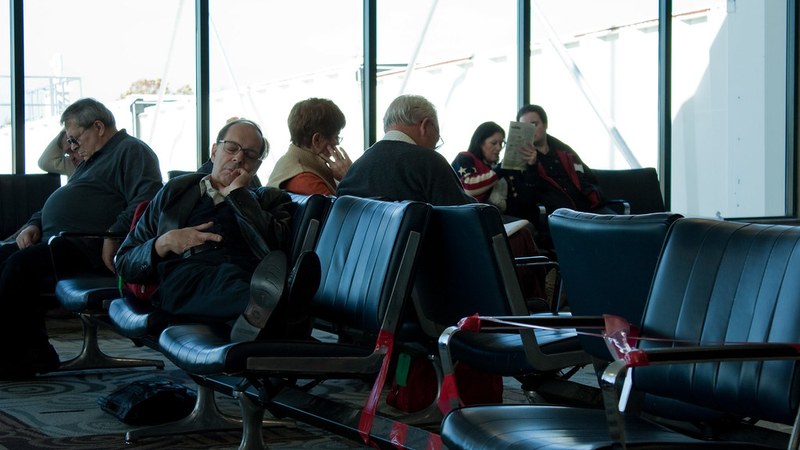
The ground stop led to missed connections, lengthy waits at gate counters, and the need for overnight rebookings for many passengers. Those affected by flight cancellations on September 17 are entitled to full refunds to their original form of payment if they decline alternative travel arrangements. The U.S. Department of Transportation (DOT) requires cash refunds for airline-cancelled flights; vouchers are not mandatory. Domestic passengers
subject to extended tarmac delays have the right to deplane after three hours unless specific safety exceptions apply.
Passengers with cancelled flights are advised to contact their airlines directly as automatic rebooking should not be assumed. Travelers passing through O’Hare after the disruption are encouraged to allow extra connection time and prefer morning departures to reduce the risk of residual delays.
Meteorological and Operational Factors
The disruption stemmed from thunderstorm systems affecting the Chicago region, prompting the FAA to implement traffic management measures that reduced aircraft movements per hour. Chicago O’Hare’s positioning at the convergence of Canadian cold fronts, moisture flows from the Gulf
of Mexico, and Lake Michigan’s lake-effect instability generates highly variable weather conditions that can rapidly complicate air traffic operations. This combination contributes to the airport’s frequent exposure to weather-related disruption.
O’Hare’s status as a major connection-dependent hub amplifies the cascading impact of ground stops, where restricted departures and arrivals generate backlog that often persists beyond the period of active weather.
Comparison with Prior Disruption Days
The scale of delays and cancellations on September 17 was an outlier compared with earlier 2026 events at O’Hare. FlightAware logged 326 delays and 18 cancellations during a July disruption, and 257 delays with 7 cancellations during a mid-June event.
The total delays and cancellations on September 17 represented roughly three to four times the volume seen during those prior instances this year.
Additional airports affected by weather-related delays on the same day included Chicago Midway, Boston Logan, San Francisco, and Philadelphia airports.