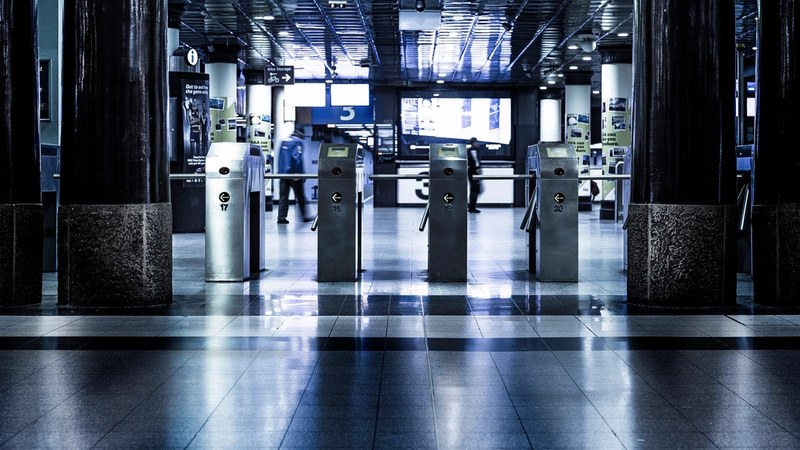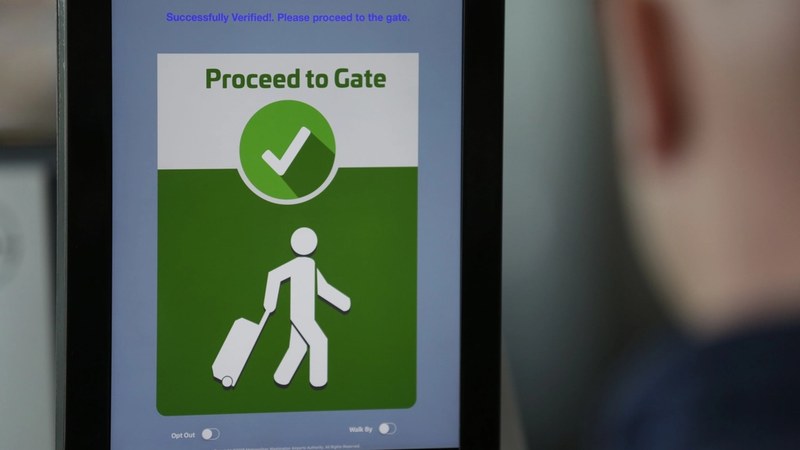
Beginning September 2026, Air Canada passengers traveling through Toronto Pearson International Airport can enroll for a facial-verification biometric gate using the airline’s mobile app. This enrollment applies to a pilot program at Pearson featuring four biometric e-gates—one for domestic flights and three serving US-bound transborder passengers.
For domestic flights, travelers must opt into the biometric system via the Air Canada app prior to arriving at the boarding gate. At the gate, a live facial image captured by a camera is matched against the traveler’s approved record stored in Air Canada’s identity gallery. A successful facial match eliminates the need to
present a passport and boarding pass for final boarding. United States-bound passengers follow a different procedure: their biometric images are collected during US preclearance at Pearson, so the three transborder gates verify live images against existing records without requiring advance registration.
Dormakaba provides the physical biometric gates used in the pilot, while middleware connecting these gates to identity systems is supplied by Airsphere and SITA. Air Canada owns and operates the domestic enrollment software and maintains the traveler identity gallery. Participation in the biometric pilot is voluntary, with conventional document checks remaining available for all travelers.
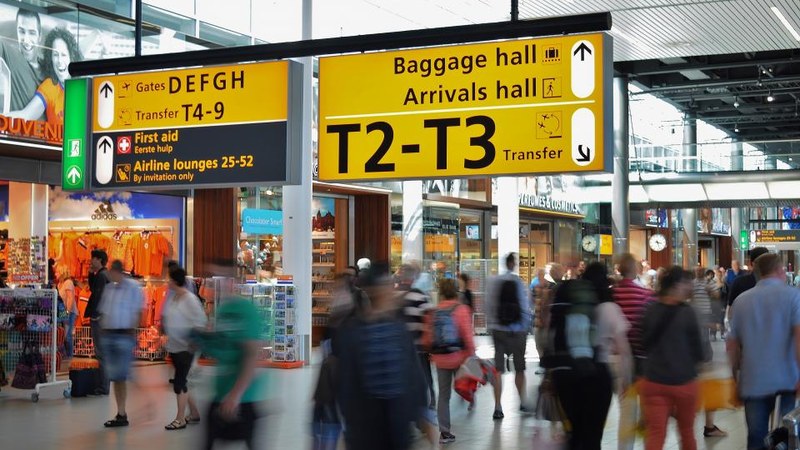
Toronto Pearson International Airport
is monitoring metrics including enrollment rates, processing times, passenger throughput, and customer satisfaction for the duration of the pilot. This initiative expands on Air Canada’s prior mobile-based traveler identity pilot, which linked smartphone enrollment with facial recognition technology. Separately, Calgary Airport has implemented selfie onboarding for biometric boarding, illustrating parallel Canadian advances in airport biometric systems. Toronto Pearson processes approximately 47 million passengers annually and anticipates this volume to grow to 65 million by the early 2030s.
The biometric gates pilot focuses solely on the boarding process and reflects Toronto Pearson’s broader modernization efforts to handle increasing passenger numbers through
digital identity solutions and automated processing technologies. Distinct enrollment models for domestic and US-bound flights demonstrate the integration of airline mobile applications with government-managed traveler records to streamline airport passenger processing.