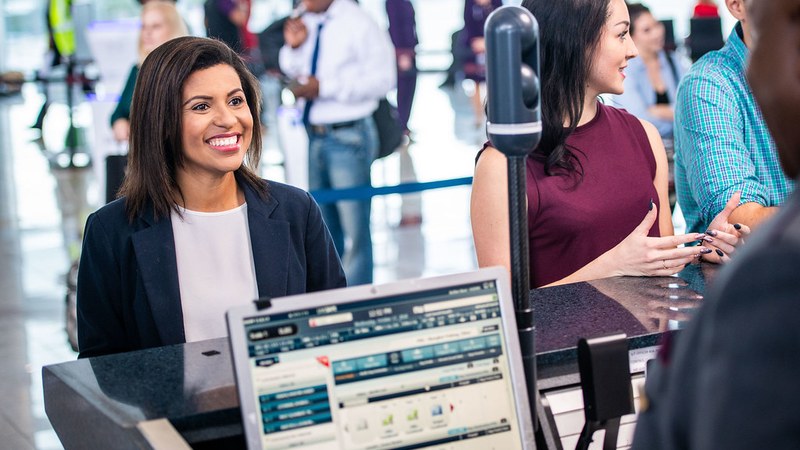
Air Canada has launched a pilot biometric boarding program at Toronto Pearson International Airport with four facial-recognition e-gates as of September 2026. Passengers traveling domestically can enroll via the airline’s mobile app to use a new facial verification gate that replaces presenting a passport and boarding pass.
Biometric Gate Providers and Enrollment Procedures
Toronto Pearson operates four biometric gates in partnership with Air Canada. Dormakaba supplies the physical biometric e-gates, while middleware is provided by Airsphere and SITA to connect the gates with identity management systems. Air Canada manages domestic passenger enrollment and maintains the identity gallery with approved traveler records.
The pilot supports two enrollment
models: domestic passengers opt in through the Air Canada app before boarding, and a camera captures a live facial image for comparison with the airline’s identity gallery. For passengers flying to the United States, the three transborder biometric gates leverage images captured during U.S. preclearance at Pearson, negating the need for separate advance registration.
Voluntary Participation and Operational Scope
Participation in the biometric boarding gates remains voluntary. Traditional document verification methods continue alongside biometric processing. The pilot covers only the boarding phase, focusing on demonstrating the feasibility of using facial recognition technology with two enrollment pathways—mobile app registration for domestic travel and government preclearance records
for U.S.-bound flights.
Toronto Pearson handles roughly 47 million passengers annually, with projections to reach approximately 65 million by the early 2030s. The airport incorporates biometric automation within a broader modernization effort designed to manage expected traffic growth efficiently.
Impact on Passenger Processing
Passengers enrolled in the biometric boarding program avoid presenting physical identification documents by using facial recognition at automated gates. This modernization aims to expedite boarding processes while maintaining passenger choice through optional enrollment.
The initiative builds upon earlier mobile-based identity verification pilots by Air Canada, including a similar biometric boarding trial at Calgary Airport using selfie onboarding.