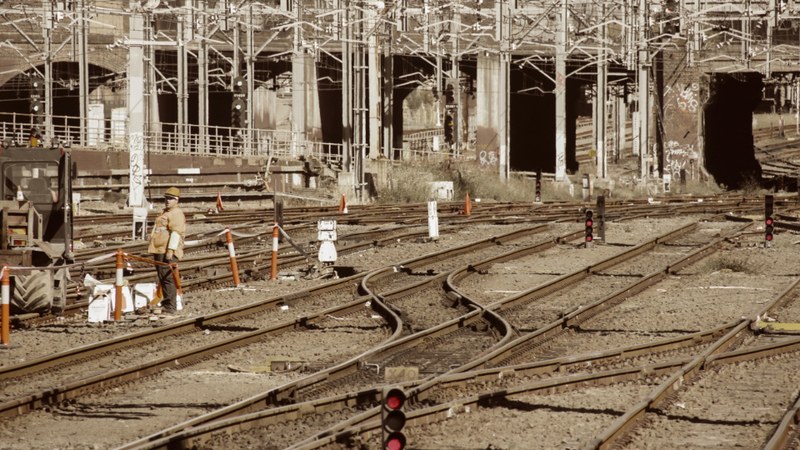
More than 35 incidents of suspected sabotage involving pipes and cables laid on rail tracks severely disrupted train services across central and northern Netherlands on 15 September 2026. The deliberate placement of materials on tracks caused widespread delays and cancellations affecting key routes.
Locations and Routes Affected
Rail disruptions were reported across multiple locations, including Amsterdam, Zwolle, Deventer, Amersfoort, and Steenwijk. Main lines serving Schiphol Airport, Eindhoven, and Utrecht experienced significant interruptions. The sabotage also caused some level crossings to close, leading to road traffic disruptions.
On 14 September, a train near Steenwijk struck metal on the tracks, which was linked to sabotage, though
no serious damage occurred as the train was not at full speed.
Investigations and Authorities Involved
ProRail, the Dutch railway infrastructure operator, confirmed the sabotage caused its computer systems to incorrectly detect trains occupying track sections, preventing proper traffic clearance. Police, the national public prosecutor’s office, and the Netherlands intelligence agency AIVD launched a criminal investigation into the incidents. As of 17:00 CEST on 15 September, no suspects or motives have been identified.
Passenger and Transport Impact
Train cancellations and delays continued into the evening on two lines, with Nederlandse Spoorwegen (NS) unable to offer replacement bus services due to the scale of the disruption. Eurostar services from
Amsterdam to Paris faced delays caused by operational restrictions at Amsterdam Centraal. Closure of some level crossings created additional road traffic issues.
Official Responses and Context
ProRail described placing materials on tracks as “extremely dangerous and unacceptable,” noting fortunately no accidents occurred. Dutch Prime Minister Rob Jetten labelled the sabotage “disruptive and life-threatening.” NS interim CEO Mirjam van Velthuizen stressed the need to bolster rail system resilience, stating, “In a world where uncertainties are increasing, we must ensure that the railway can absorb disruptions, that the impact remains limited as much as possible, and that we can recover as quickly as possible.”
The sabotage
coincided with protests by the Farmers Defence Force (FDF) opposing government nitrogen emission reduction plans. Although FDF disavowed involvement in the sabotage, it did not rule out participation by individual farmers. Authorities have found no confirmed link between the protests and the rail disruptions.
Tuesday, 15 September, is Prinsjesdag in the Netherlands, the day when the national government presents its budget.
Sabotage Method and Uncertainties
ProRail stated the sabotage involved the intentional placement of pipes and cables on tracks at multiple sites, causing system malfunctions and erroneous train detection. The motive and identity of the perpetrators remain unknown. Investigations continue, involving the police, public
prosecutor’s office, and the AIVD.