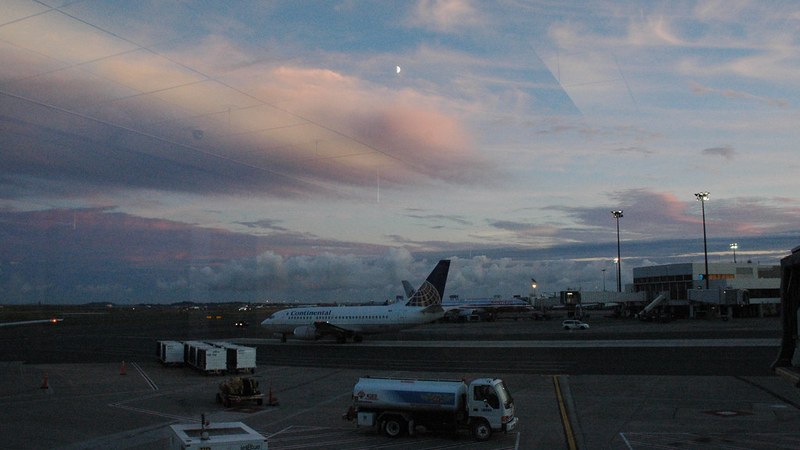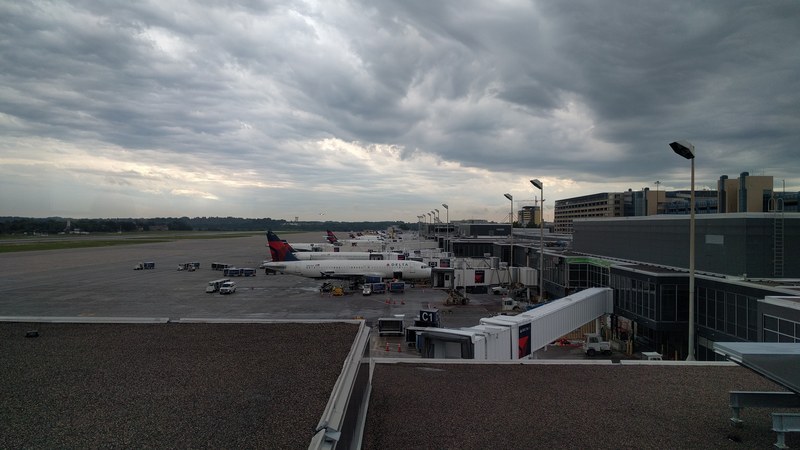
More than 1,238 flights were delayed and 53 canceled across the United States on September 15, 2026, as weather and air traffic management issues disrupted operations at several major airports nationwide.
Widespread Airport Disruptions Across Key US Hubs
Delays and cancellations impacted multiple high-traffic locations including Chicago’s Midway and O’Hare airports, Houston’s Hobby and Intercontinental airports, Florida gateways, Boston Logan, Miami International, Denver, and Seattle airports. These airports experienced varying restrictions and operational delays during the day.
Thunderstorms, Low Clouds, and FAA Traffic Controls
The Federal Aviation Administration attributed the disruptions primarily to thunderstorms over the Chicago, Houston, and Florida regions and low cloud ceilings at Denver and Seattle airports. Ground delay programs were
active at Boston Logan and Miami International to meter arrivals amid congestion and weather constraints.
Network Cascades and Passenger Impact
Thunderstorm activity caused reroutes and reduced arrival rates, further amplified by peak connection periods. Delays cascaded as late-arriving aircraft and crews strained airline schedules, resulting in missed connections and rolling changes to boarding times. Early departures remained vulnerable to later disruptions due to aircraft rotations through affected hubs.
Passenger Guidance and Operational Recovery
Passengers faced departure holds and potential cancellations with refund eligibility tied to cancellation policies. Travelers were advised to monitor airline apps, the FAA’s airport-status dashboard, and flight-tracking tools like FlightAware for real-time updates. Recovery from weather impacts
was expected to extend beyond initial forecasts as airlines reposition aircraft and crews to restore schedules.
FAA Management of Weather-Related Traffic
The FAA employed ground delay programs and other traffic management measures to safely regulate arrivals and departures, aiming to mitigate congestion despite widespread weather effects. The simultaneous occurrence of thunderstorms and low clouds across multiple regions contributed to sustained nationwide delays on September 15, 2026.