Air Canada passengers can now enroll through the airline’s mobile app to use a new biometric facial-verification gate at Toronto Pearson International Airport. This initiative, announced by Mobile ID World on or before September 14, 2026, is part of a pilot program incorporating four biometric e-gates at the airport.
Pilot Details and Technology Providers
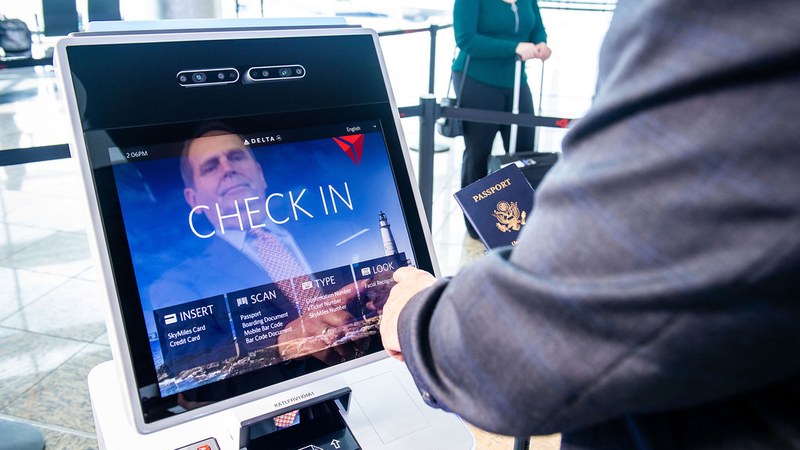
Among the four biometric e-gates involved in the pilot, one serves domestic Air Canada flights while three cater to passengers travelling to the United States via Toronto Pearson’s transborder area. Domestic passengers must opt in through the Air Canada app before reaching the gate. The system captures a live facial image
to compare against the approved traveler record stored in the airline’s identity gallery, potentially replacing the requirement to show a passport or boarding pass. For US-bound travelers, images are captured during preclearance at Pearson, enabling the three transborder gates to verify identities without advance registration.
The physical biometric gates are supplied by Dormakaba, with middleware by Airsphere and SITA connecting the gate hardware to identity systems. Air Canada provides the enrollment software and maintains the identity gallery for domestic travelers participating in the pilot.
Passenger Benefits and Participation
Participation in the biometric gate pilot remains voluntary. Passengers who opt in may experience faster boarding
through facial verification, reducing the need for manual document checks. However, traditional passport and boarding pass inspections remain available at the airport for those who do not enroll or prefer conventional processing. Toronto Pearson is monitoring pilot metrics including passenger adoption, processing times, throughput, and customer satisfaction.
Background and Airport Modernization
The current pilot builds on Air Canada’s previous mobile-based traveler identity trial, which linked smartphone enrollment with airport facial recognition. Additionally, Calgary Airport has implemented a separate biometric boarding system using selfie onboarding. Toronto Pearson presently handles around 47 million passengers annually and anticipates growth to 65 million by the early 2030s. The
airport’s modernization strategy involves digital identity and automated passenger processing to manage this projected increase in volume.