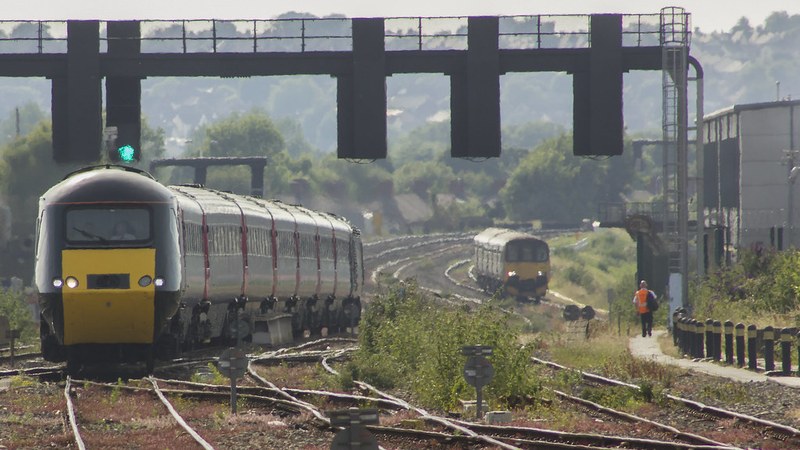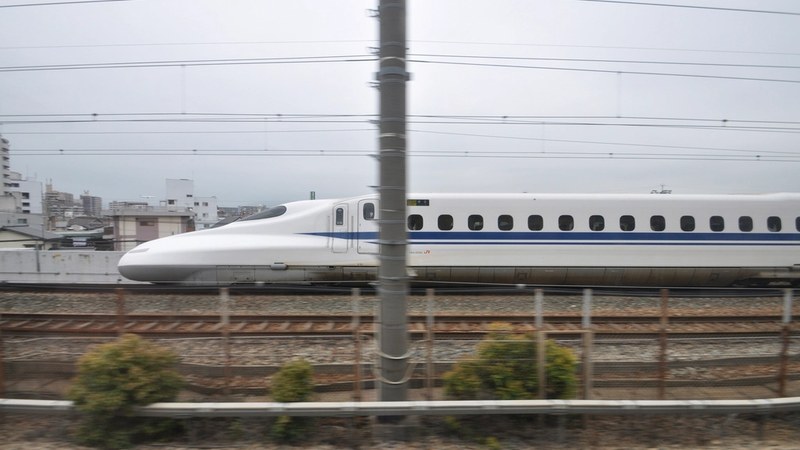
Brussels Airport restored direct international high-speed rail service on 7 September 2026 with the arrival of the first Deutsche Bahn ICE train from Cologne at 08:29, marking the end of a break spanning over 10 years.
Route Details of New ICE Service
The new Deutsche Bahn ICE route runs between Cologne Central Station in Germany and Antwerpen-Centraal in Belgium, stopping at Aachen, Liège-Guillemins, Leuven, and Brussels Airport (Zaventem) along the way. After reaching Brussels Airport, the train proceeds to Antwerp shortly thereafter.
Service Frequency and Ticketing Partnership
Two ICE trains operate daily in each direction on this new international corridor. Trains depart Cologne at 06:11 and 14:38, arriving at Brussels Airport
at 08:29 and 16:28 respectively. Return services leave Antwerp at 11:01 and 19:01, calling at Brussels Airport at 11:29 and 19:29, with journey times of approximately two hours between Cologne and Brussels Airport.
Passengers benefit from a combined ticketing system created through a partnership between Deutsche Bahn and Brussels Airlines announced in February 2026. This arrangement guarantees connections between rail and flights and enables eligible travelers to earn Miles & More loyalty points.
Partnership Background and Passenger Demand
Since the airline-rail collaboration was made public, more than 1,000 combined rail-and-flight tickets have been sold. Brussels Airlines uses the rail service to extend passenger access from
western Germany into its hub at Brussels Airport without increasing the number of short-haul feeder flights.
Destinations most booked through this combined service include New York, Accra, and Alicante, reflecting the broad scope of Brussels Airlines’ network which offers access to over 180 destinations.
Official Statements and Passenger Impact
Nina Öwerdieck, Chief Financial Officer of Brussels Airlines, stated, “We’re able to welcome more guests on our network, without the need of adding flights.” She added hope for future expansion of Brussels Airport’s high-speed train network.
Arnaud Feist, CEO of Brussels Airport, described the resumption of high-speed rail as a key step in bolstering the airport’s
role as an intermodal transport hub.
Deutsche Bahn Board Member Dr. Michael Peterson highlighted the ICE connection as enhancing convenience by linking major hubs and making international rail travel more appealing.
The Belgian national railway operator NMBS/SNCB provides train drivers for the Belgian segment of the route, supporting seamless operation across borders.
Passengers from western Germany now have direct rail access to Brussels Airport, improving connectivity to Brussels Airlines flights and eliminating the need for fragmented travel between Germany and Belgium. Leuven also gains a daily ICE connection to Germany as part of this route.