Eight Indonesian airports closed on 7 September 2026 after Mount Anak Krakatau erupted, sending volcanic ash across airspace over Java and Sumatra. The closures, ordered by Indonesia’s Meteorology, Climatology and Geophysical Agency (BMKG), initially delayed or cancelled 1,558 flights affecting approximately 170,000 passengers.
Airspace Impact and Airport Closures
BMKG reported volcanic ash moved across Banten, Jakarta, West Java, and parts of Sumatra, forcing airport closures including Soekarno-Hatta International Airport in Jakarta. Soekarno-Hatta, the country’s main international gateway and one of the worst affected airports, saw more than 900 flights disrupted. BMKG is monitoring ash plume movement around the clock and has issued aviation warnings.
Flight Disruptions and Passenger Impact
Indonesia’s
Ministry of Transportation confirmed flight disruptions extended to over 2,300 flights and more than 270,000 passengers affected across the eight airports by later reports. Airlines cancelled or delayed flights, stranding thousands of travelers who sought alternative arrangements amid evolving conditions. The disruption affects both domestic and international travel through Indonesia’s key airports.
Eruption Details and Volcanic Alert
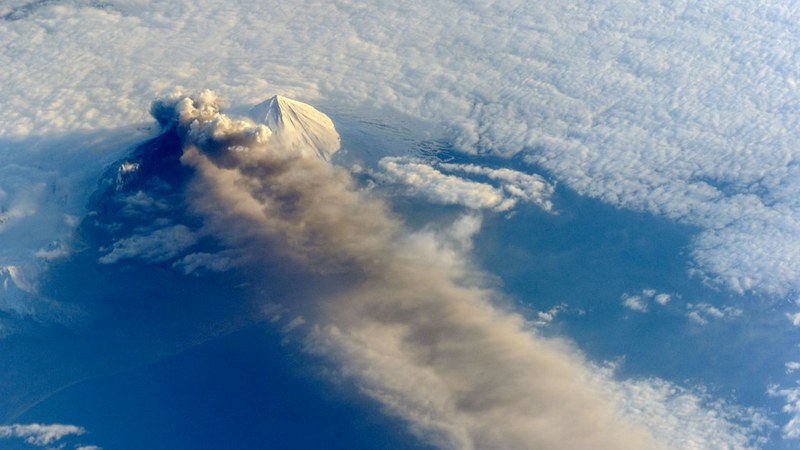
Anak Krakatau experienced a continuous eruptive episode lasting about 25 hours from late on 4 September until early on 6 September. The volcano is located about 150 km from Jakarta’s main airport in the Sunda Strait between Java and Sumatra. Its volcanic ash plume reached as high as
50,000 ft (15,000 m) on the Sumatra side. Anak Krakatau remains at a volcanic alert level of III (Siaga), a status in effect since 2 July. Authorities maintain an exclusion zone around the volcano due to risks from volcanic material.
Ongoing Safety Measures and Traveler Guidance
Airport closures are preventative measures due to the serious hazard volcanic ash poses to aircraft engines and may be extended depending on ash dispersion. BMKG continues issuing aviation warnings and monitoring ash movement over key regions. Travelers face uncertain schedules as airports may close at short notice. Officials advise against approaching Anak Krakatau’s crater and emphasize following official updates on
airspace conditions and flight operations.