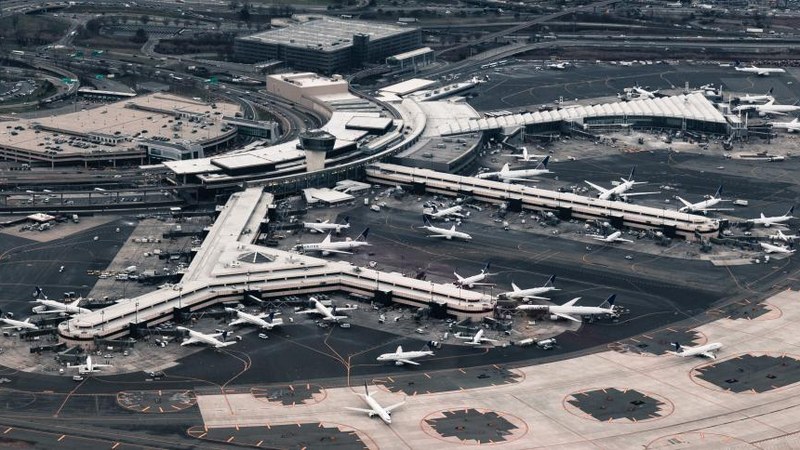
An American Airlines Boeing 737-800 aborted its takeoff at LaGuardia Airport on September 4, 2026, after pilots reported a bird strike during the high-speed takeoff roll. Flight 392 had reached nearly 140 mph before the crew rejected the takeoff and brought the plane safely back to the gate. No injuries were reported among the passengers and crew aboard the flight destined for Chicago O’Hare International Airport.
FAA Response and Flight Delays
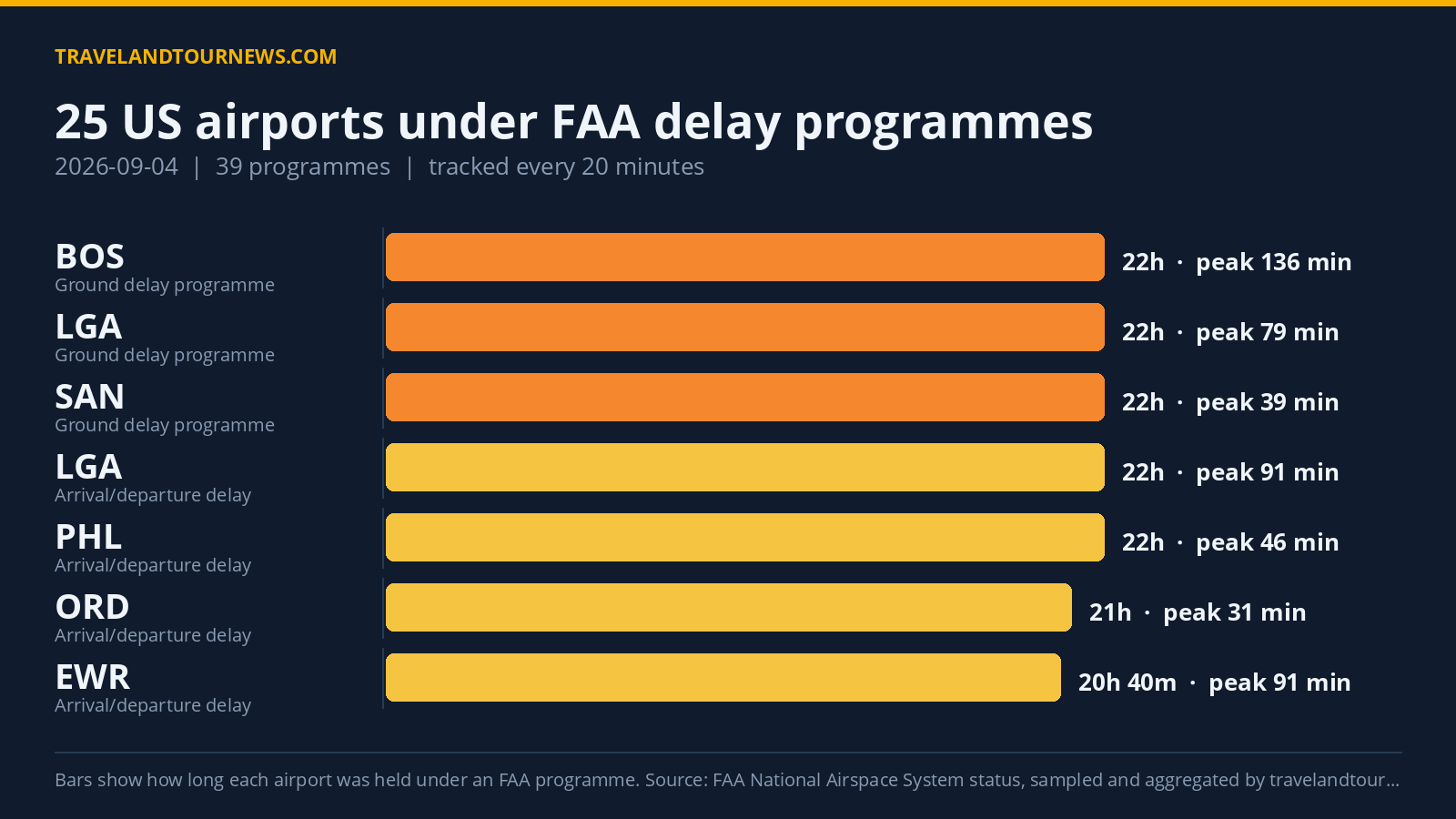
The Federal Aviation Administration immediately imposed a ground stop at LaGuardia following the incident, effective from 8:18 a.m. to 9:30 a.m. Eastern time. After the ground stop lifted, a ground delay program was implemented,
producing average flight delays of 19 minutes until 11:34 a.m. The FAA confirmed the involved aircraft type and announced an investigation into the bird strike event, according to reports from ABC7 Chicago.
Weather Compound Flight Disruptions
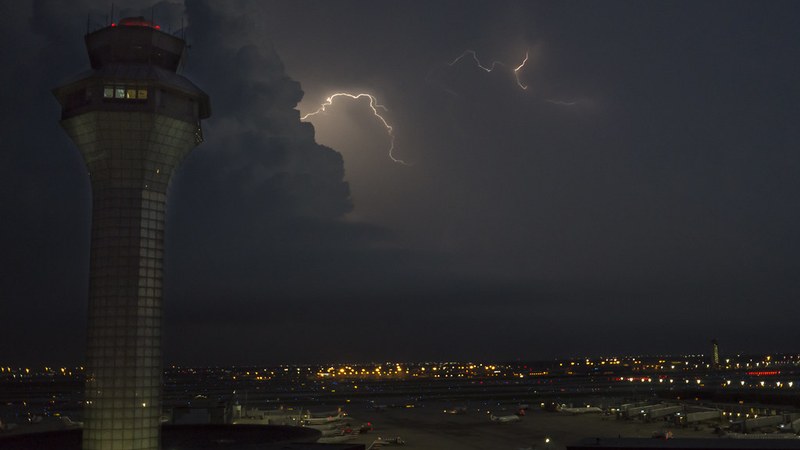
The bird strike took place amid severe weather conditions affecting the New York metropolitan area that morning. The FAA noted to FOX 5 New York that storms were the primary cause of prior flight delays and operational disruptions at LaGuardia, with the strike adding to challenges at the airport.
High-Speed Aborted Takeoff Protocol
Rejecting a takeoff at speeds close to 140 mph – well above the 80-knot threshold – involves heightened risks
such as runway overruns or mechanical failures. Aviation safety standards require pilots to make swift decisions, aborting takeoff only for critical safety threats before passing the decision speed, or V1. In this incident, the crew followed this protocol and successfully stopped the airplane on the runway without complications or injuries.
LaGuardia Airport’s Bird Strike History and Management
LaGuardia Airport has a notable history with bird strikes, including the 2009 incident involving US Airways Flight 1549, which lost engine power after Canada geese strikes and safely ditched on the Hudson River. The Port Authority of New York and New Jersey, which manages LaGuardia, operates an integrated wildlife hazard
program. This program incorporates habitat modification, pyrotechnics, falconry, and population controls implemented in cooperation with USDA Wildlife Services and certified wildlife biologists to mitigate bird strike risks.
National Wildlife Strike Data and Operational Impact
According to FAA data, over 19,000 wildlife strikes were reported at U.S. airports in 2023, resulting in an estimated $385 million in damages and operational disruptions. A minority of strikes, between 2% and 8%, cause physical damage to aircraft, while 6% to 7% affect flight operations. Notably, raptor populations near coastal airports have contributed to specific strike patterns, such as a record 54 osprey strikes in 2025, challenging airports like LaGuardia to maintain
effective wildlife hazard management.
Ongoing Challenges for Coastal Airport Operations
The recent bird strike and aborted takeoff at LaGuardia demonstrate the continual challenges posed by wildlife to airport operations, particularly at coastal hubs with dense bird populations. While rare, these incidents contribute to flight delays and require coordinated responses between airport authorities, federal regulators, and wildlife experts to ensure passenger safety and operational continuity.