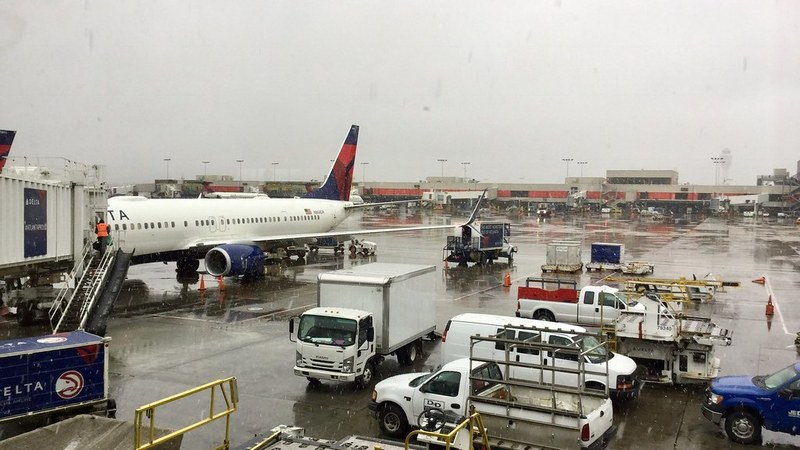
An American Airlines Boeing 737-800 operating Flight 392 aborted takeoff at LaGuardia Airport on Thursday, September 4, 2026, at 8:20 a.m. Eastern. The aircraft was traveling close to 140 mph when a bird strike prompted the flight crew to reject takeoff and safely return to the gate. No injuries were reported among those aboard.
FAA Response and Airfield Operations
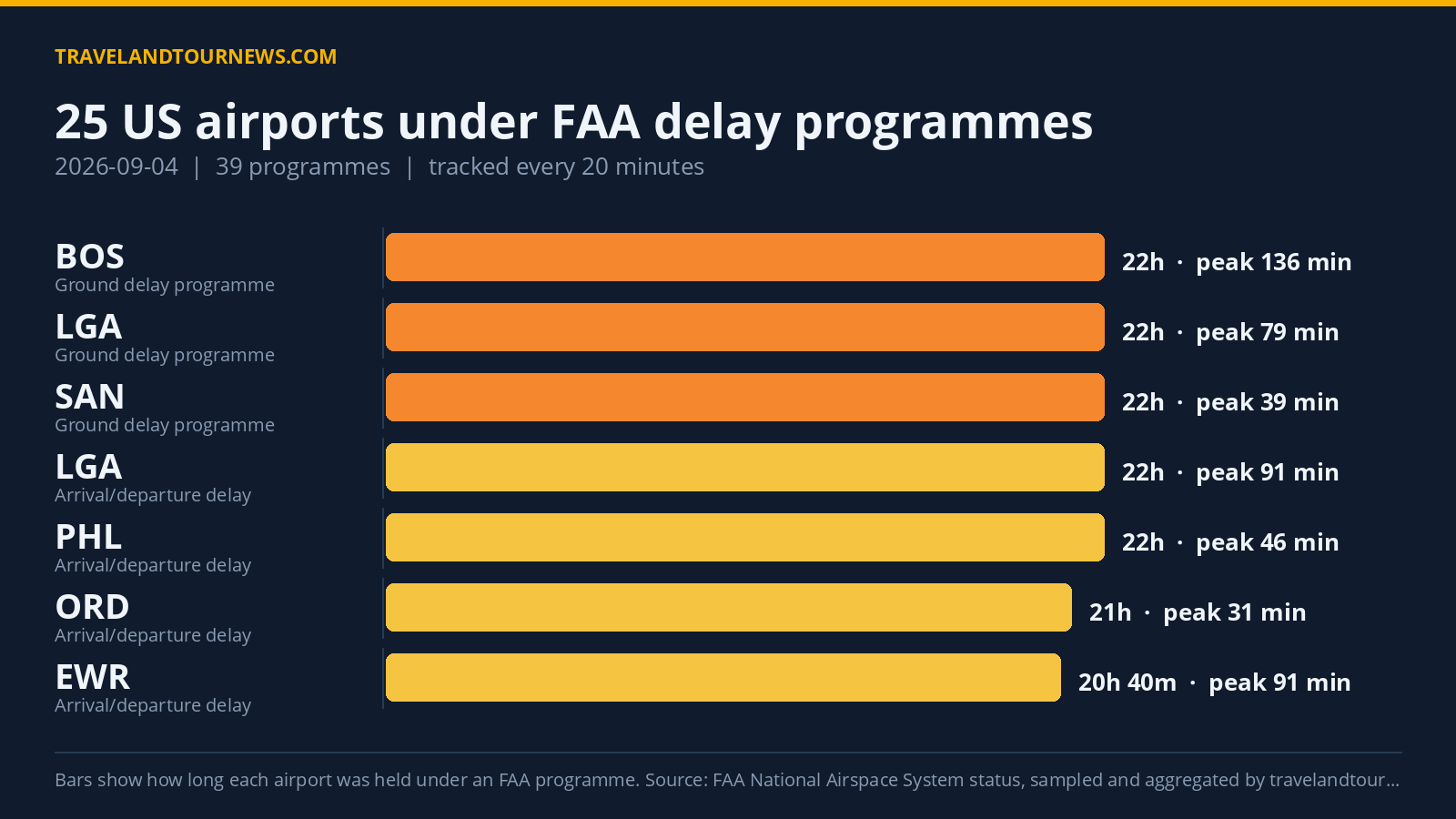
The Federal Aviation Administration implemented a ground stop at LaGuardia starting at 8:18 a.m., lasting until 9:30 a.m. Following the ground stop, the FAA shifted to a ground delay program, resulting in average delays of 19 minutes on departing flights until 11:34 a.m. The FAA has
confirmed it will investigate the bird strike event involving the Boeing 737-800.
Weather and Operational Context
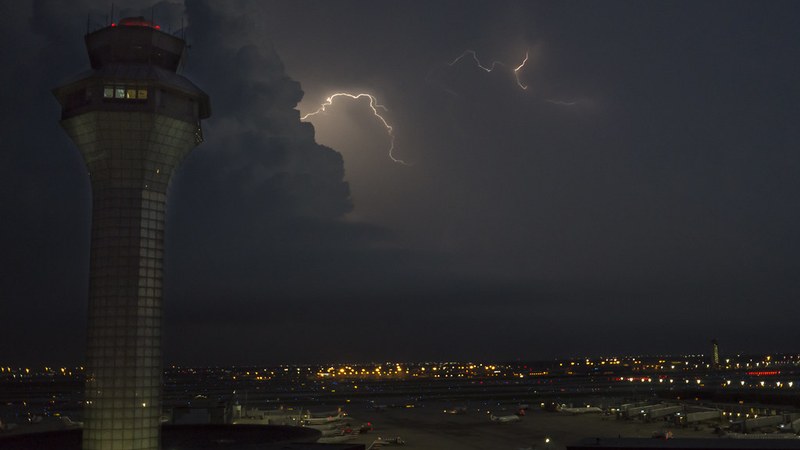
Severe thunderstorms affecting the New York metropolitan area contributed substantially to flight disruptions at LaGuardia on the morning of September 4, 2026. According to the FAA, weather was the primary factor behind widespread delays, with the bird strike incident adding additional complications to airfield operations.
High-Speed Takeoff Abort Protocols
Aborting a takeoff near 140 mph, equivalent to about 121 knots, is an uncommon and high-risk maneuver. Aviation safety guidance advises rejecting takeoff above 80 knots only when critical safety threats are present due to risks such as runway overrun, brake overheating, or
tire failure. In this case, the flight crew promptly identified the hazard and stopped the aircraft safely on the runway, adhering to protocols that prioritize preventing airborne hazard exposure before decision speed (V1).
LaGuardia’s Bird Strike History and Wildlife Management
LaGuardia Airport has a notable history of bird strike incidents impacting flights. The 2009 US Airways Flight 1549 took off from LaGuardia before losing engine power due to a bird strike, leading to the emergency Hudson River landing with all 155 aboard surviving. More recently, an American Airlines flight departing LaGuardia in December 2024 experienced a bird strike and diverted safely to John F. Kennedy International Airport
with no injuries among its 190 passengers.
The Port Authority of New York and New Jersey manages LaGuardia alongside JFK and Newark airports and operates an integrated wildlife hazard management program. This program includes habitat modification, pyrotechnics, falconry, and controlled population management conducted with USDA Wildlife Services and certified biologists to mitigate bird strike risks.
Wildlife Strike Trends and Aviation Risks
Nationally, wildlife strikes at U.S. airports reached over 19,000 in 2023, causing approximately $385 million in damage and operational downtime. Between 2% and 8% of strikes result in physical aircraft damage, while 6% to 7% impact flight operations negatively. Bird populations near coastal airports such
as LaGuardia are increasing, including rising raptor numbers like osprey, which set a national record with 54 reported strikes in 2025. These population shifts continue to challenge airports and pilots managing wildlife hazards.