An American Airlines Boeing 737-800 aborted its takeoff at LaGuardia Airport on September 4, 2026, after striking a bird. Flight 392 was traveling at nearly 140 mph when pilots rejected its takeoff at 8:20 a.m. Eastern. The aircraft returned safely to the gate with no reported injuries.
FAA Ground Stop and Delay Program at LaGuardia
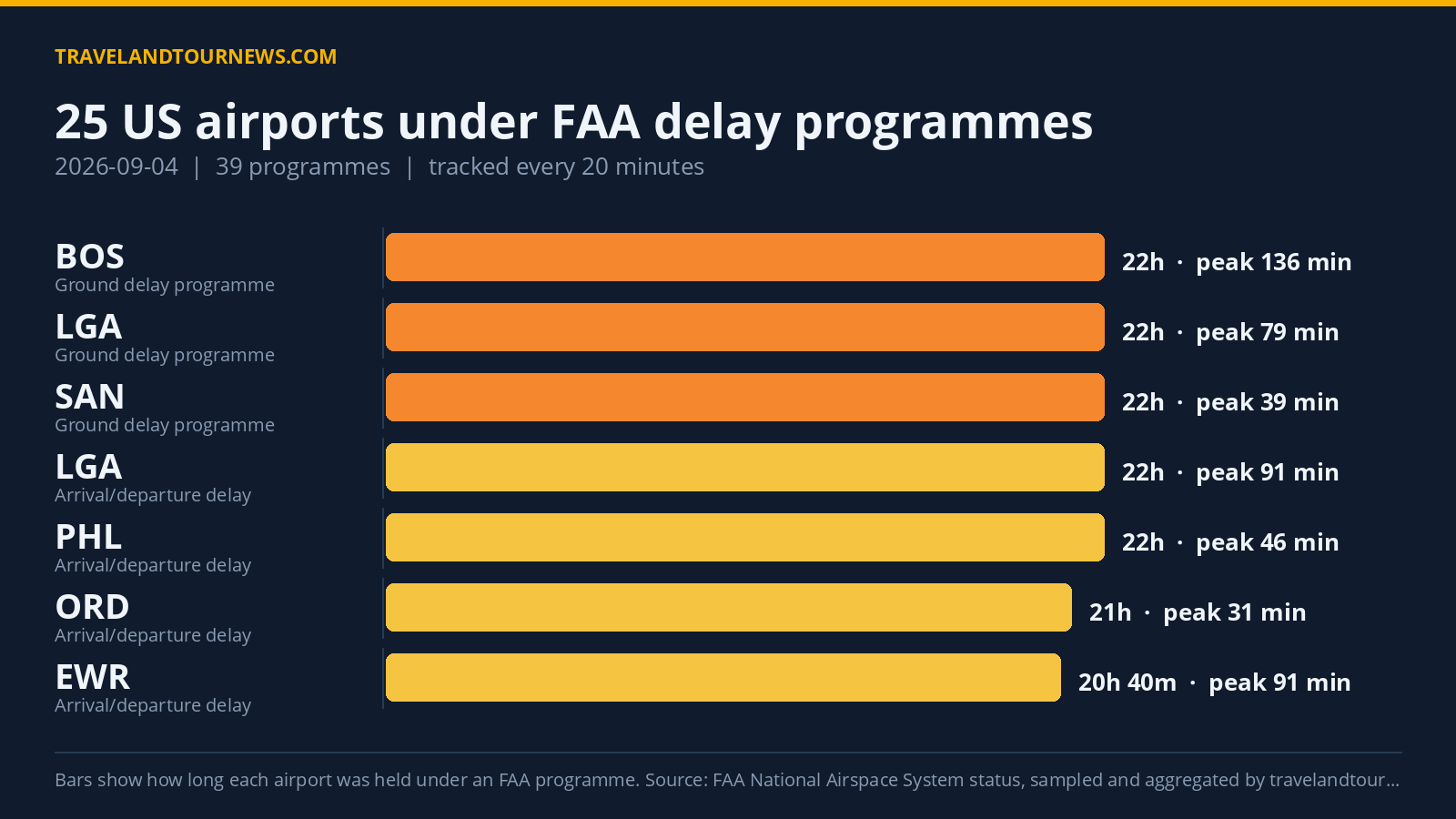
The Federal Aviation Administration (FAA) imposed a ground stop at LaGuardia starting at 8:18 a.m. following the bird strike incident. This ground stop remained in effect until 9:30 a.m. Eastern, after which the FAA implemented a ground delay program. The delay program caused average flight delays of 19 minutes, extending until 11:34 a.m.
according to FAA data reported by TheTravel.
Weather Impact on LaGuardia Flights
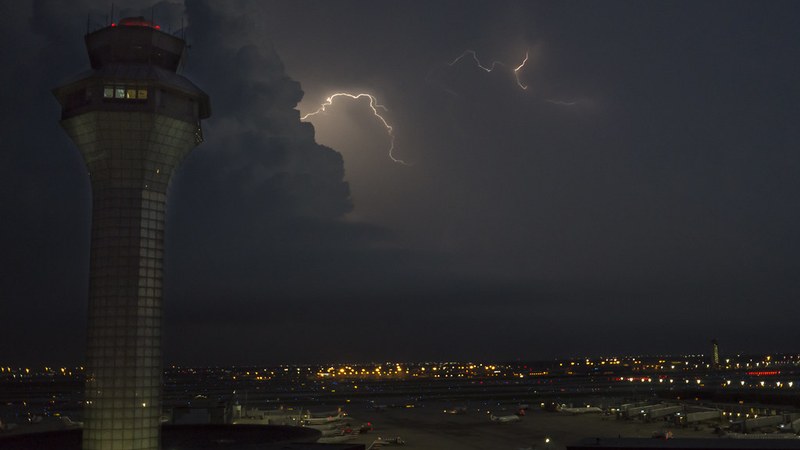
Severe weather moving through the New York metropolitan region contributed to additional disruptions at LaGuardia on the morning of September 4. According to an FAA statement cited by FOX 5 New York, the thunderstorms present before the bird strike were responsible for the majority of the flight delays affecting the airport that morning.
Bird Strike Hazard and Pilot Response
The bird strike occurred shortly before reaching the decision speed (V1), when pilots chose to abort takeoff following safety protocols. Aviation safety guidance notes that rejecting a takeoff above 80 knots requires immediate assessment to ensure the aircraft can stop
safely within the runway remaining. Flight 392’s crew successfully halted the plane, avoiding further incident despite traveling at nearly 140 mph.
The FAA confirmed the bird strike and announced an investigation into the incident, which involved a Boeing 737-800 as identified by ABC7 Chicago.
Port Authority Wildlife Hazard Management
The Port Authority of New York and New Jersey, which oversees LaGuardia Airport, operates a wildlife hazard management program aimed at reducing bird presence near runways. The program uses habitat modification, pyrotechnics, falconry, and targeted population controls in cooperation with USDA Wildlife Services and certified biologists.
LaGuardia is historically notable for bird strike incidents, including the
2009 US Airways Flight 1549 event known as the “Miracle on the Hudson.” This event reshaped wildlife hazard management nationwide. More recently, an American Airlines flight departing LaGuardia experienced a bird strike in December 2024, diverting safely to JFK with no injuries.
National Bird Strike Statistics and Challenges
In 2023, U.S. airports reported over 19,000 wildlife strikes, resulting in approximately $385 million in direct damage and operational downtime as analyzed by FODNews.com. Despite these figures, only 2% to 8% of strikes cause physical damage to aircraft, and 6% to 7% lead to operational disruptions.
Reported bird strike occurrences have nearly doubled since 2009, mainly due to
increased reporting of smaller, non-damaging strikes. The FAA’s report also noted a record 54 osprey strikes in 2025, linked to rising raptor populations near coastal airports such as LaGuardia, underscoring ongoing challenges for aviation safety in coastal regions.