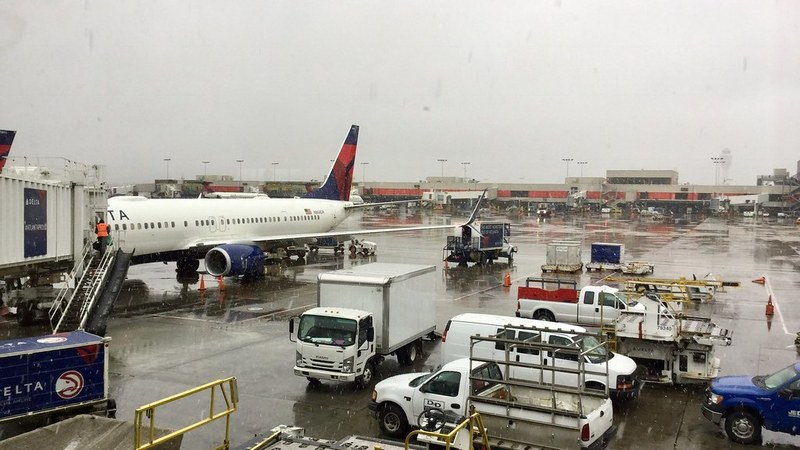
The Federal Aviation Administration (FAA) implemented ground stops at 10 U.S. airports on September 3, 2026, due to severe thunderstorms impacting the Northeast corridor. Among the affected airports were LaGuardia, Newark, and John F. Kennedy International Airport (JFK), where departures were halted to manage air traffic amid sharp weather disturbances.
Delays and Ground Delay Programs at Northeast Hubs
At LaGuardia Airport, ground delays averaged 45 minutes as thunderstorms swept through the New York metropolitan area. Newark Airport experienced peak delays reaching two hours, reflecting heightened congestion. Ground delay programs were also active at Newark, JFK, and LaGuardia to regulate arrivals disrupted by adverse weather. Meanwhile, Boston Logan Airport
accounted for 19 flight delays, topping all U.S. airports during the storms, an indicator that the impact extended beyond New York’s airports.
Weather Conditions Causing Multi-Day Disruptions
These disruptions occurred during the third consecutive day of thunderstorm activity over the Northeast and Mid-Atlantic, spanning September 1 through 3, 2026. Persistent severe thunderstorms affected the tri-state region including New York, Boston, Philadelphia, and Washington. The weather system triggered air traffic restrictions that propagated delays across the wider national airspace system despite the localized storm cells.
Passenger Impact and Airline Response During Labor Day Weekend
The storms coincided with Labor Day weekend, a period of elevated passenger volumes, intensifying travel challenges. Flight cancellations and delays cascaded
among passenger itineraries due to ground stops and staffing disruptions. Airlines issued travel waivers to allow passengers to rebook flights or change travel dates without fees, mitigating the operational impact amid the weather-related interruptions.
Operational Consequences of Ground Stops in Northeast Airspace
Ground stops, which completely halt departures, represent a more restrictive measure than ground delays and are issued for sharp weather events where precise delay modeling is unavailable. The multi-day weather events following Tropical Storm Edouard’s passage in late August have placed sustained pressure on the air traffic network. The resulting operational cascade has stranded crews and aircraft, prolonging delays even after weather conditions improve. The FAA
continues to monitor the evolving situation via its National Airspace System Status page, reflecting the ongoing challenges in managing Northeast airspace.