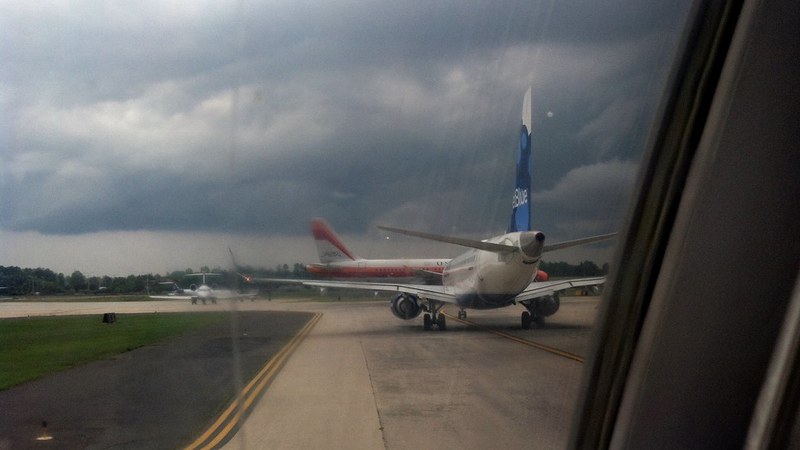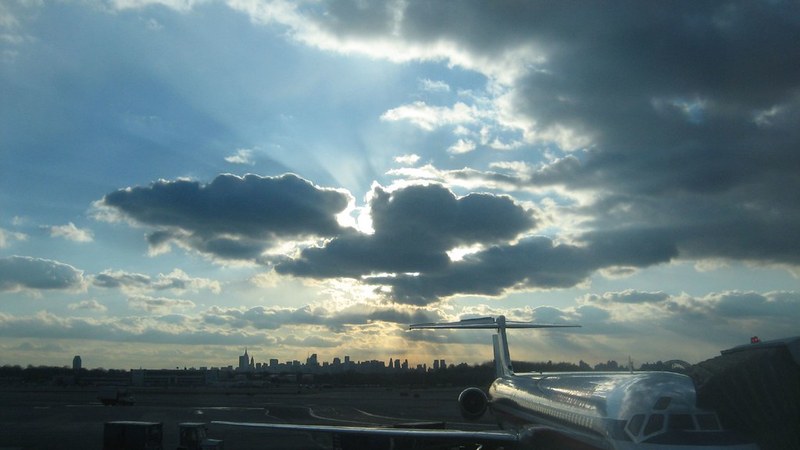
The Federal Aviation Administration (FAA) enforced a ground stop at LaGuardia Airport in New York on September 3, 2026, in response to severe thunderstorms disrupting the Northeast United States airspace. This ground stop halted all departures from LaGuardia as part of safety measures amid intense weather conditions.
Delays at Major Northeast Airports
During the thunderstorms, LaGuardia experienced average ground delays of 45 minutes. Newark Liberty International Airport in New Jersey implemented ground delay programs, with peak delays reaching up to two hours. Boston Logan International Airport in Massachusetts recorded 19 delays, the highest among U.S. airports during the storm period. Other major Northeast airports, including
John F. Kennedy International Airport in New York, were also affected by delays and restrictions on arrivals and departures.
Three Consecutive Days of Severe Weather
The thunderstorms impacted the Northeast corridor for three consecutive days—September 1 through 3, 2026. The FAA’s National Airspace System Status page monitored active ground stops and delays throughout this period. The persistent weather disruptions, combined with the timing over the busy Labor Day weekend, amplified the strain on the air traffic system with cascading delays and cancellations reported across major carriers.
Passenger Impacts and Airline Responses
Passengers experienced delays and cancellations at LaGuardia, Newark, JFK, and Boston Logan airports during the severe weather events. To ease
travel complications, airlines issued waivers allowing passengers to rebook flights without penalties. The disruptions coincided with peak travel volumes typical of the Labor Day holiday period, intensifying the impact on schedules and passenger flow in the region.
Background on Weather Trends and FAA Operations
Severe thunderstorms during late summer and early fall have increasingly affected East Coast aviation in recent years. Ground stops, such as the one issued at LaGuardia, are generally applied for sharp, short-lived weather events before full ground delay programs can be established. The accumulation of grounded crews and aircraft due to these delays creates cascading impairments that extend beyond the immediate storm areas
even after conditions improve. The FAA’s operational tools tracked these disruptions in real time, informing decisions to maintain safety and manage congestion throughout the Northeast corridor airspace.