On September 2, 2026, a total of 321 flights were cancelled and 2,189 flights were delayed across major US airports in Boston, New York, and Chicago, according to data tracked by FlightAware.
Thunderstorm Weather Impact at JFK and Newark Airports
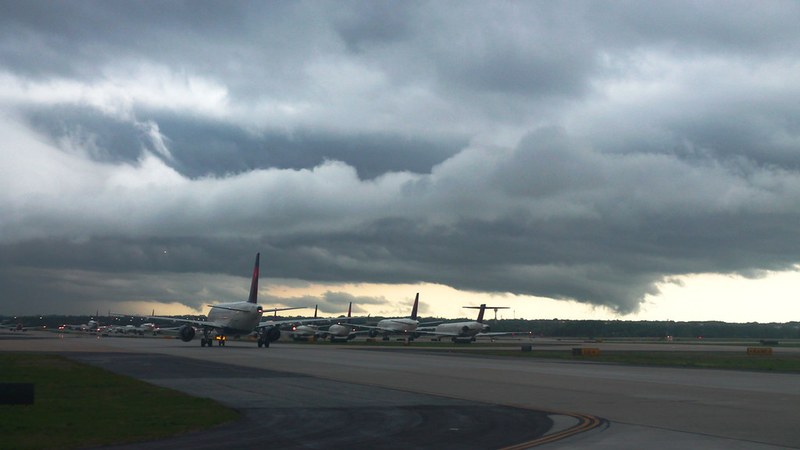
Thunderstorm activity along the US East Coast triggered ground-delay programs at John F. Kennedy International Airport (JFK) and Newark Liberty International Airport (EWR), reducing runway arrival rates. Average delays reached 113 minutes at JFK and 102 minutes at Newark, extending wait times for inbound flights.
Runway Construction and Congestion Add to Delays
Boston Logan Airport experienced an average delay of 97 minutes due to ongoing runway construction limiting landing capacity. Concurrently, severe congestion at Chicago
O’Hare International Airport (ORD) and New York LaGuardia Airport (LGA) contributed to further flight slowdowns, heightening scheduling difficulties in these busy hubs.
Highest Cancellations and Delays Logged at LaGuardia and Regional Airlines
New York LaGuardia Airport registered the nation’s highest number of cancellations, with 98 flights cancelled and 148 flights delayed that day. Among airlines, United Airlines recorded the greatest number of delays at 235. Regional feeder carriers Republic Airways and Endeavor Air each reported 80 flight cancellations, contributing to widespread disruption on connecting services.
FAA Ground Delay Programs and Flight Schedule Cascades
The Federal Aviation Administration’s Air Traffic Control System Command Center implemented ground delay programs in response to weather fronts and airport capacity constraints. These measures
aim to manage aircraft arrivals safely, but result in cascading delays and cancellations as flight crews face duty-time limits when stuck on taxiways or in holding patterns.
Traveler Impact and Passenger Rights
Thousands of travelers faced cancellations and extended delays averaging over 90 minutes across affected airports. Flight cancellations by regional feeder airlines reduced seat availability on mainline connecting flights, complicating passenger itineraries. Under U.S. Department of Transportation regulations, passengers affected by cancellations are entitled to full cash refunds if they decline rebooking options.
Travel experts recommend travelers allow additional time for connections and closely monitor flight statuses during such periods of disruption.