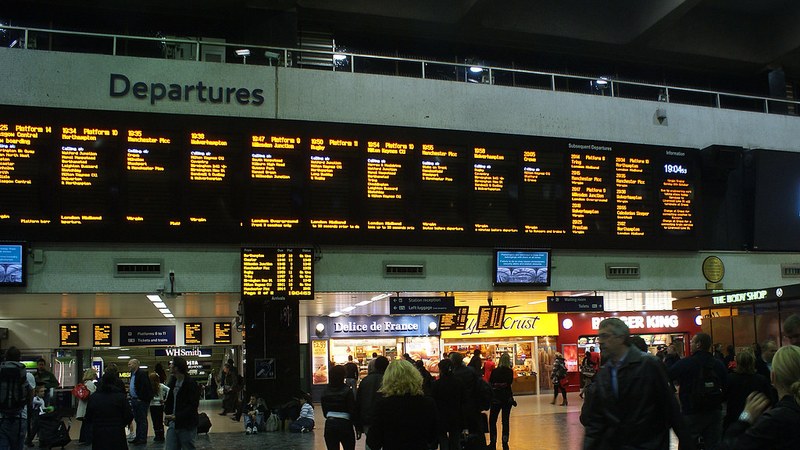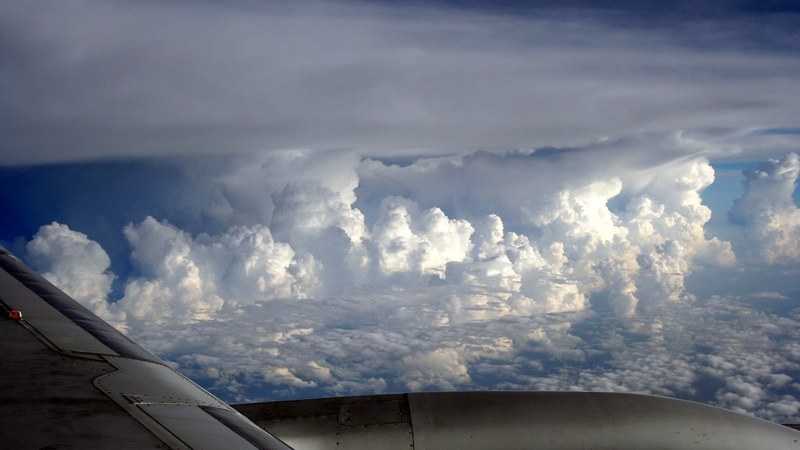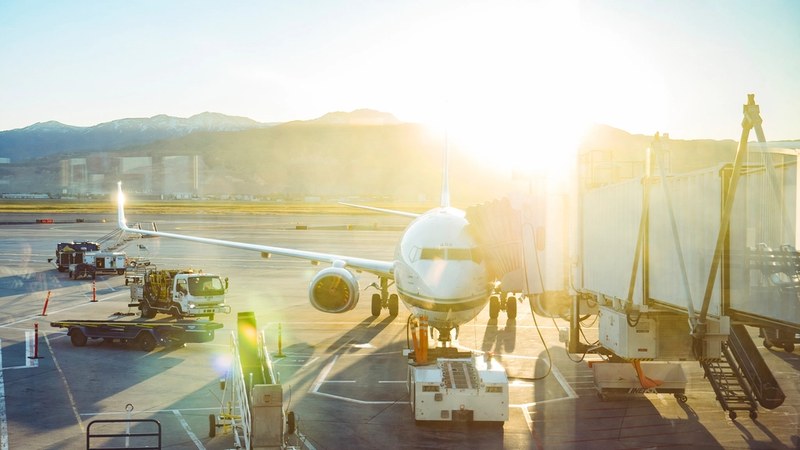
The Federal Aviation Administration (FAA) issued ground stops at ten U.S. airports on September 3, 2026, as severe thunderstorms disrupted flight operations across major hubs in the Northeast corridor. LaGuardia Airport, Newark Airport, John F. Kennedy Airport (JFK), and Boston Logan Airport were among the affected facilities facing flight restrictions and delays.
Ground Stops and Delays Impact Northeast Airports
A ground stop halts all departures from an airport, a stricter control measure than ground delays, which assign aircraft specific departure times. LaGuardia Airport experienced average ground delays of 45 minutes during the storm event. Newark Airport reported peak average delays of two hours coupled with active ground-delay
programs at Newark, JFK, and LaGuardia. Boston Logan Airport recorded 19 delays amid the thunderstorms, the highest reported nationwide.
These disruptions were part of a rare three-day stretch of severe thunderstorm activity from September 1 through 3, 2026, affecting the Northeast corridor and Mid-Atlantic regions with continuous weather-related air traffic restrictions.
Thunderstorms Disrupt Tri-State and Northeast Corridor Flights
The storms affected arrivals and departures across the tri-state area, including New York, New Jersey, and Connecticut. Flights to and from major New York-area hubs—LaGuardia, Newark, and JFK—faced cascading cancellations and delays. The disturbance extended to Boston, Philadelphia, and Washington, illustrating the large geographic footprint of the weather impact,
which created rippling effects throughout the national air traffic system.
Airlines Respond with Travel Waivers During Labor Day Weekend
The weather disruptions coincided with the Labor Day weekend, a period known for heavy passenger traffic. Airlines issued travel waivers that allowed passengers to rebook flights or change travel dates without incurring penalties. The FAA’s National Airspace System Status page provided real-time tracking of ongoing ground stops and delays to inform stakeholders about current conditions.
Background on Recent Weather Impacting East Coast Aviation
This multi-day severe thunderstorm activity is an uncommon occurrence in the Northeast corridor. In late August 2026, Tropical Storm Edouard impacted East Coast aviation with high winds and unsettled weather. The continued threat of thunderstorms
during summer and early fall months has increased disruptions to flights along the East Coast. Multiple ground stops and delay programs at major hubs have generated cascading operational effects, prolonging delays beyond the active weather episodes.