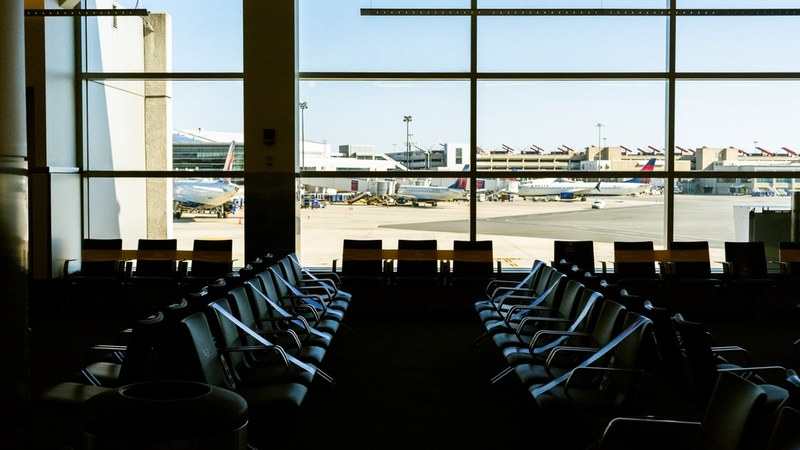
The Federal Aviation Administration implemented a temporary ground stop at a major Northeast U.S. hub on September 3, 2026, halting most scheduled departures and arrivals for several hours during peak travel periods. The ground stop caused widespread flight cancellations and delays both domestically and internationally, impacting hundreds of flights on the peak disruption day.
Affected Northeast Airports and Causes of Ground Stop
FAA operational advisories identified New York LaGuardia Airport, John F. Kennedy International Airport, Newark Liberty International Airport, Philadelphia International Airport, and Teterboro Airport as impacted by the ground stop and related ground delay programs. The FAA’s Air Traffic Control System Command Center issued these advisories detailing
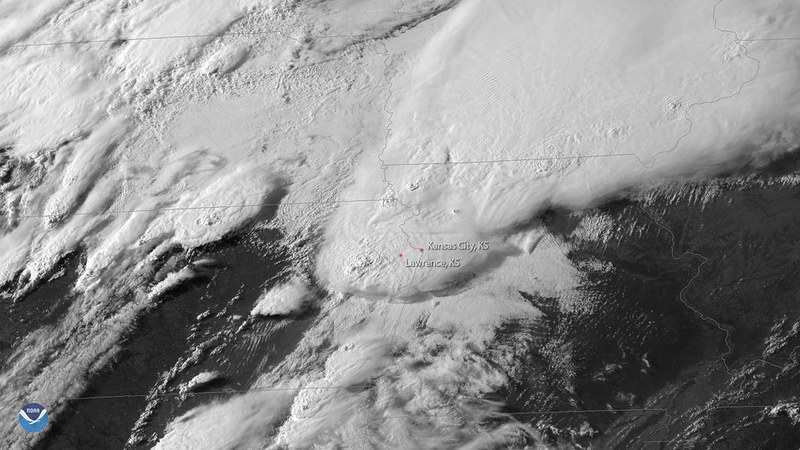
severe weather and traffic management initiatives. Severe convective weather combined with airspace congestion and preexisting staffing pressures prompted restrictive measures across these major airports, aiming to maintain safety within saturated airspace corridors.
Scope of Flight Cancellations and Delay Propagation
Flight tracking platforms recorded hundreds of canceled and heavily delayed flights linked to the Northeast hub. Disruptions extended to routes connecting Europe, Latin America, and Asia. Long-haul flights were particularly impacted, with aircraft waiting on the ground for hours or being removed from schedules. Delays and cancellations not only affected the event day but impacted subsequent 24 to 48 hours with reduced long-haul capacity. Airlines reduced immediate long-haul
capacity and reassigned widebody aircraft to handle the domestic backlog.
Passenger Impact and Rebooking Measures
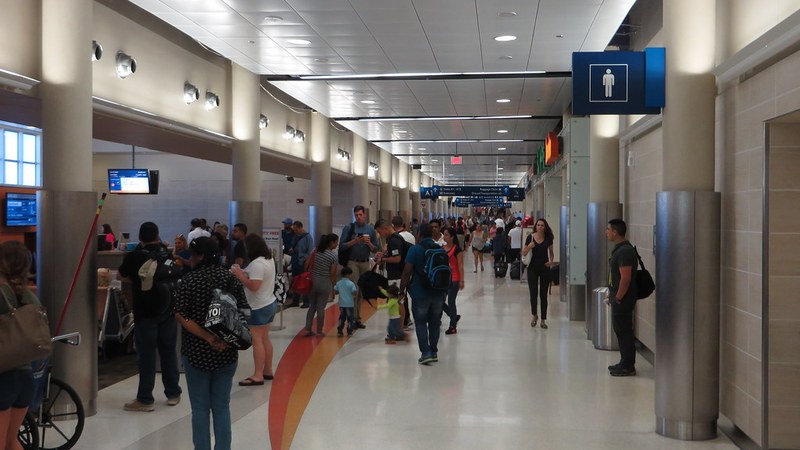
Passengers faced sudden cancellations and extensive flight delays across multiple airports nationwide and globally. Missed connections forced rebooking on later flights or through alternate U.S. hubs, including Chicago, Dallas, and Atlanta. Many travelers received last-minute rebooking notifications close to departure times, sometimes during nighttime hours. Customer service desks and call centers experienced long queues. Airlines waived change fees and encouraged use of self-service tools and monitoring FAA status dashboards and airline apps for updates.
FAA Traffic Management Rationale and Regional Ripple Effects
The FAA’s Air Traffic Control System Command Center cited convective weather, sector congestion, and staffing pressures
as causes of the ground stop and associated programs. These ground stops are used to prevent aircraft from entering already saturated airspace sectors and to uphold safety margins. The Northeast corridor’s complex airspace, dense traffic, and frequent convective weather make it prone to such disruptions. The ground stop illustrated how localized constraints at a single hub can ripple through global aviation schedules, affecting multiple continents.
Frequency of Disruptions and Passenger Recommendations
Ground stops and intensive delay programs are likely to recur during peak travel seasons, especially in the Northeast. The FAA’s daily air traffic report ranked the Northeast region near the top nationally for longest average
flight delay durations during the event. Travel experts recommend passengers build extra buffer times into itineraries and use multiple communication channels, including FAA status dashboards and airline apps, for timely updates.