On September 3, 2026, the Federal Aviation Administration (FAA) imposed a temporary ground stop at a major U.S. hub in the Northeast during the current travel period. The stop halted most scheduled departures and arrivals for several hours, causing widespread cancellations and delays at New York LaGuardia Airport, John F. Kennedy International Airport, Newark Liberty International Airport, Philadelphia International Airport, and Teterboro Airport.
Severe Weather and Airspace Congestion Trigger Traffic Programs
The FAA’s Air Traffic Control System Command Center cited thunderstorms and heavy airspace congestion throughout the New York and Mid-Atlantic region as reasons for the ground stop and related ground delay programs. These layered traffic management initiatives
targeted LaGuardia, JFK, Newark, Philadelphia, and Teterboro airports. Preexisting staffing pressures further tightened operating constraints, prolonging the ground stop and delay programs that lasted several hours.
Operational Impact at Northeast Airports
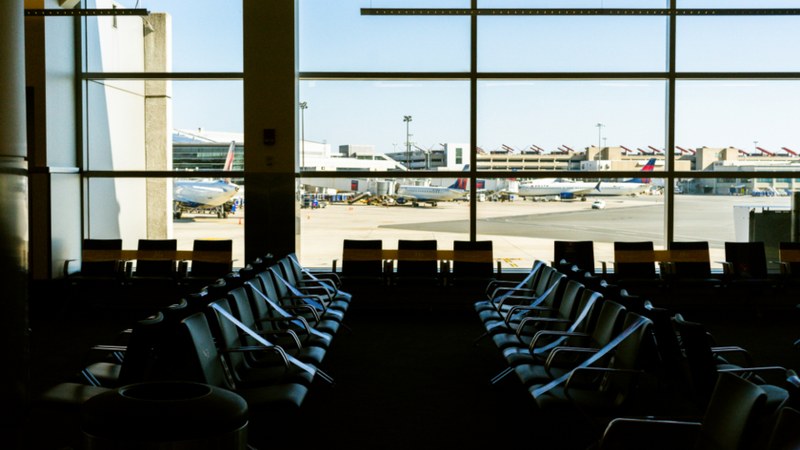
Most commercial passenger flights were canceled or delayed beyond scheduled times during the FAA-imposed ground stop. New York area hubs effectively paused as major connectors, with minimal flight activity producing a bottleneck and significantly increasing aircraft on ground durations. Widebody aircraft servicing long-haul routes were reassigned to manage domestic backlogs, reducing immediate long-haul flight capacity for up to 24-48 hours.
Global Effects and Long-Haul Disruptions
The ground stop disrupted global flight schedules with secondary cancellations and delays reported across
Europe, Latin America, and parts of Asia. Tight turnaround times and disrupted crew rotations at the Northeast hub caused aircraft to remain grounded for extended periods and led to withdrawals of some services. Flight tracking platforms ranked the affected region among the most delayed nationally with some of the longest average delay durations recorded.
Passenger Disruptions and Airline Responses
Passengers on multi-leg itineraries via the Northeast hub frequently missed connections, necessitating rebookings through alternate hubs including Chicago, Dallas, and Atlanta. Crowded customer service areas and long wait times emerged at affected airports. Airlines waived change fees and urged travelers to use airline apps and FAA
online tools for updated flight information. Self-service options were emphasized to handle high volumes of disrupted itineraries.
Industry Context and Systemic Vulnerabilities
Ground stops and intensive delay programs are common during peak travel seasons in dense traffic corridors such as the U.S. Northeast. The FAA uses ground stops to prevent aircraft departures toward constrained airspace to maintain safety and avoid airborne holding. This incident illustrates the vulnerability of the global aviation network to localized air traffic control disruptions, highlighting how regional constraints can propagate widespread, multi-continent schedule impacts.