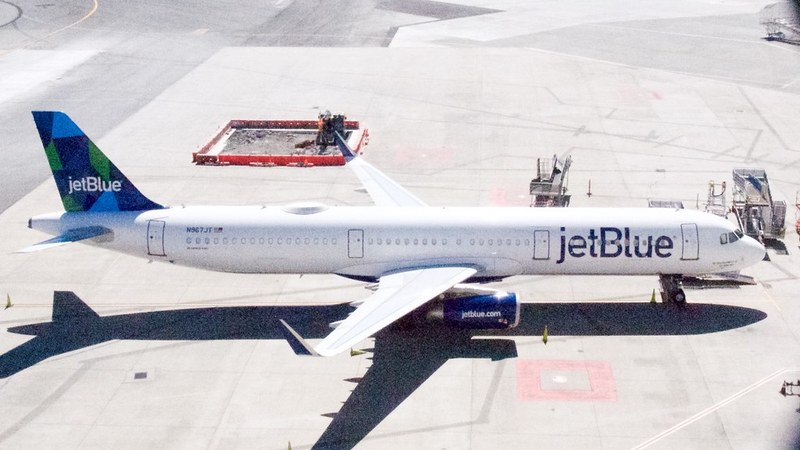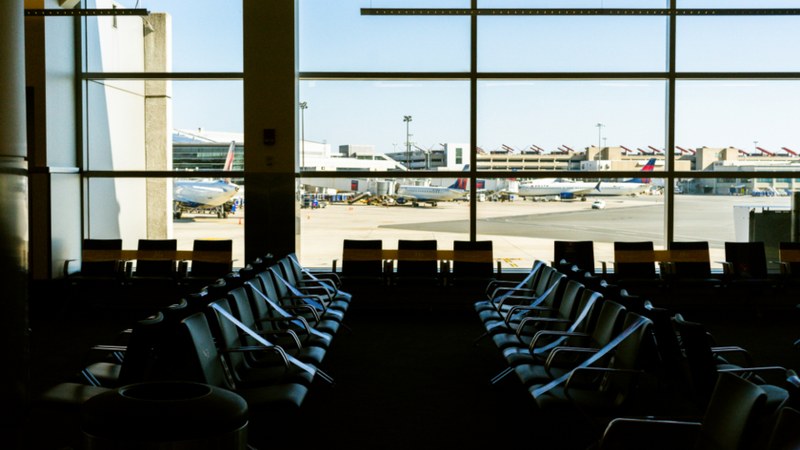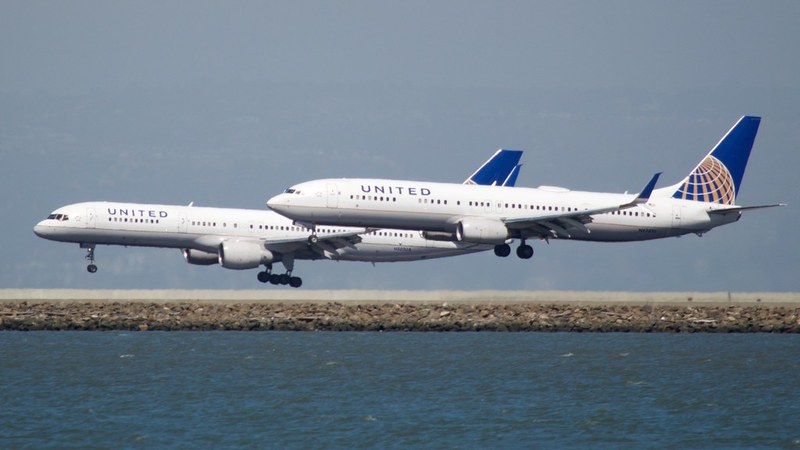
On September 3, 2026, the Federal Aviation Administration (FAA) implemented a temporary ground stop at a major Northeast U.S. hub, suspending most scheduled departures and arrivals for several hours. This measure was enforced during a peak travel period, sharply limiting airport operations.
Airports Affected Across the Mid-Atlantic and New York Region
The FAA’s Air Traffic Control System Command Center issued advisories imposing ground stop and ground delay programs not only at the main Northeast hub but also at New York LaGuardia Airport, John F. Kennedy International Airport, Newark Liberty International Airport, Philadelphia International Airport, and Teterboro Airport. The ground stop coincided with severe thunderstorms and high airspace congestion in
the region, prompting repeated traffic management restrictions.
Operational Impact and Domestic-International Ripple Effects
The ground stop, layered on top of extended ground delay and metering programs, caused widespread flight cancellations and delays, disrupting the Northeast hub’s role as a major connector between dozens of cities and continents. Airlines reported missed connections for passengers on multi-segment itineraries, forcing rebookings through alternate U.S. hubs such as Chicago O’Hare, Dallas, and Atlanta. Flights impacted included those to and from Europe, Latin America, and Asia, with some widebody aircraft reassigned to handle domestic backlogs after the stoppage was lifted.
Airline and Passenger Response Amid Service Strain
In response to the disruptions, airlines waived change fees and offered
rebookings, encouraging passengers to use self-service tools for managing itinerary changes. Airports across the U.S., including those not directly under the ground stop, experienced long lines at customer service counters and gates due to increased rerouting activity. Passenger reports indicated last-minute rebooking notices and overnight accommodations were frequent for those caught in the disruption.
Ongoing Challenges in Northeast Air Traffic Management
The FAA cited a combination of severe thunderstorms, dense airspace congestion, and preexisting staffing pressures as the primary factors necessitating the ground stop and associated delay initiatives. Historical FAA data underline how localized ground stops at key hubs in the busy Northeast corridor can significantly disrupt
global air travel. Traffic management complexity during peak seasons is well-documented, and this event led to some of the longest average delays recorded in the region on that day.
Travel advisories published by airlines and travel agencies highlighted the importance of monitoring FAA and airline status updates. The event demonstrates persistent operational constraints threaten scheduling reliability during peak travel periods in the Northeast.