On 2026-09-03, the Federal Aviation Administration (FAA) issued a ground stop at a major Northeast US hub airport, suspending most scheduled arrivals and departures for several hours. This action triggered widespread flight cancellations and delays affecting domestic and international services.
Ground Delay Programs in Northeast US Airports
The ground stop was part of layered traffic management measures including ground delay programs at New York LaGuardia, John F. Kennedy International, Newark Liberty International, Philadelphia International, and Teterboro airports over recent days. These initiatives addressed severe convective weather and congested airspace in the Northeast corridor, temporarily restricting aircraft movements to maintain safety margins.
Global Cascading Effects Across Flight Networks
Flight tracking platforms and FAA data
show that the disruption extended beyond the US, leading to hundreds of cancellations and heavy delays on flights connecting Europe, Latin America, and Asia through the Northeast hub. Airlines preemptively cut rotations on routes linked to the airport, causing significant schedule interruptions worldwide on the day of the ground stop.
Passenger Itinerary Disruptions and Rerouting
Delay cascades caused missed connections for travelers booked on multi-leg itineraries through the affected hub. Airlines responded by rebooking passengers on later flights or rerouting them through alternate US hubs such as Chicago O’Hare International, Dallas Fort Worth International, and Hartsfield-Jackson Atlanta International. Widebody aircraft normally assigned to long-haul routes
were temporarily redeployed on domestic segments to alleviate passenger backlogs.
Traveler Experience and Customer Service Responses
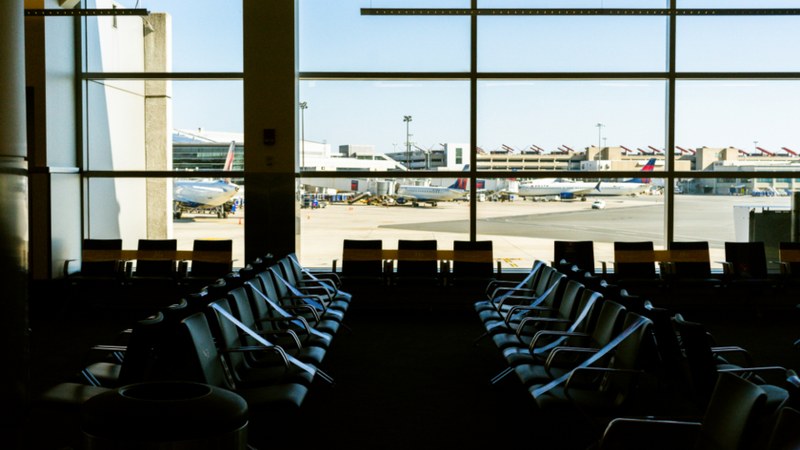
Passengers reported receiving rebooking notifications late at night or shortly before flights, accompanied by long queues at check-in and gate areas in affected airports. Airlines waived change fees and urged travelers to use digital tools like airline applications and FAA flight status dashboards to monitor updates amid heavy call center demand.
Airport operations teams at the hub and regional airports adjusted resources to handle increased service requests, ensuring orderly passenger processing despite crowds and delays.
FAA Operational Conditions and Regional Traffic Management
FAA advisories attributed the ground stop and delay programs to intense convective storms and airspace
congestion compounded by existing staffing pressures in the Northeast US air traffic control environment. The region’s dense and complex airspace, stretching from New York to Washington, necessitated multiple planning discussions and real-time adjustments by the FAA Air Traffic Control System Command Center to manage arrival and departure flows safely.
The affected Northeast airports consistently ranked among the nation’s worst in delay duration during this period, with extended arrival and departure metering continuing after the ground stop lifted.
Recurring Seasonal Disruptions and Travel Planning
Ground stops and intensive traffic management programs remain common during peak travel seasons across the Northeast US, where weather patterns and complex airspace
intersect. Similar but less severe events have already occurred in 2026 at major coastal and Midwestern hubs.
Frequent travelers using the Northeast corridor are advised to allow extra connection time and monitor multiple communication channels, including FAA dashboards, to anticipate potential delays triggered by these programs.