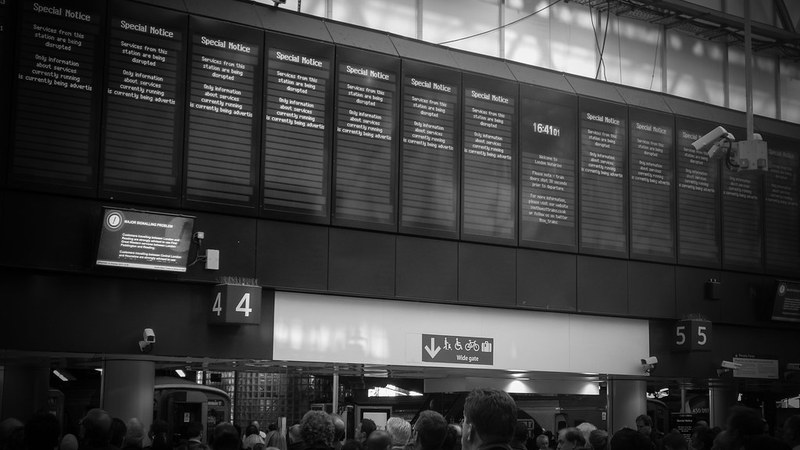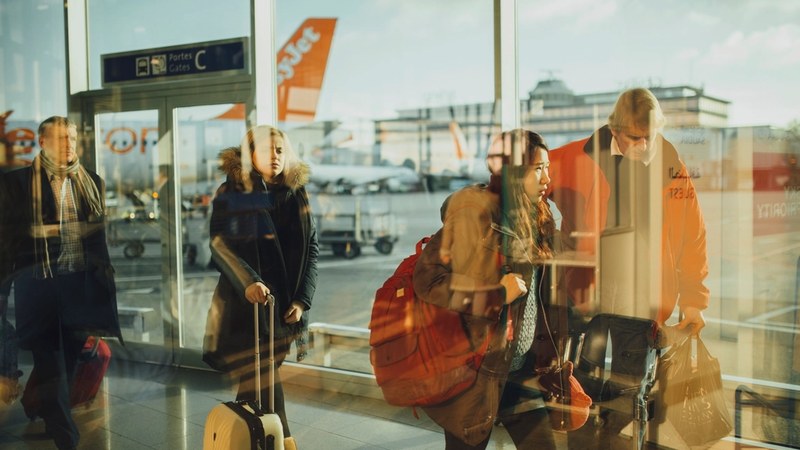
On September 2, 2026, major U.S. airports in Boston, New York, and Chicago reported a total of 321 flight cancellations and 2,189 delays. Boston Logan, New York’s JFK, Newark Liberty, LaGuardia, and Chicago O’Hare were the primary hubs affected by these widespread disruptions.
Weather and Infrastructure Drive Delays
Thunderstorm-induced ground-delay programs at JFK and Newark Liberty reduced runway arrival rates, resulting in average delays of 113 minutes and 102 minutes respectively. Boston Logan’s ongoing runway construction contributed to an average delay of 97 minutes. Severe congestion was also reported at Chicago O’Hare and New York LaGuardia, further intensifying schedule disruptions across the Northeast and Midwest.
LaGuardia Leads in Flight Cancellations; United Airlines Logs Most Delays
New York LaGuardia recorded the highest number of cancellations with 98 flights cancelled and an additional 148 delays. United Airlines registered the highest delay count among mainline carriers, logging 235 delayed flights on September 2. Regional feeder airlines Republic Airways and Endeavor Air each accounted for approximately 80 flight cancellations, heavily impacting connecting services.
Regional Feeder Airlines Face Crew and Aircraft Bottlenecks
Republic Airways and Endeavor Air encountered operational challenges including crew rotation delays and aircraft positioning bottlenecks at congested New York hubs. These factors contributed to cascading flight cancellations and delayed departures, affecting many connecting flights fed into mainline networks.
FAA and DOT Respond with Traffic Management and Passenger Protections
The Federal Aviation Administration’s Air Traffic Control
System Command Center issued advisories implementing specialized traffic management initiatives to maintain safety amid adverse weather and construction constraints. The U.S. Department of Transportation emphasized that passengers on cancelled flights who opt not to travel on rebooked itineraries are entitled to full cash refunds under federal regulations.
Passengers traveling through affected airports face significant disruptions with widespread delays and cancellations. Flight crews risking exceedance of federal duty-time limits further contribute to schedule volatility. The FAA’s ground-delay programs and congestion management aim to mitigate risks but have led to cascading operational effects for airlines and passengers alike.
Flight disruptions on September
2, 2026 stemmed from multiple factors including thunderstorms along the U.S. East Coast, runway construction at Boston Logan, and heavy congestion at Chicago O’Hare and New York LaGuardia. These combined elements demonstrate the multi-causal nature of domestic schedule instability observed on this date.