On September 2, 2026, US airspace experienced significant operational challenges with over 896 flights delayed and approximately 200 canceled across major airport hubs. Weather disruptions, workforce shortages, and technology issues combined to slow flight departures and arrivals nationwide.
Severe Weather and Operational Restrictions Impact Key Airports
Thunderstorms and low visibility triggered ground stops and flow-control measures affecting major airports serving the New York area, Philadelphia, and Washington, as well as southern and Midwestern hubs. Recent weeks saw Chicago O’Hare, Atlanta, and New York area airports endure hundreds of delays and dozens of cancellations during storm activity, with late-afternoon and evening flights most impacted.
Heavy rain at Boston Logan
International Airport in July caused hundreds of delays and dozens of cancellations. Northern Illinois experienced severe storms in June forcing a ground stop at Chicago O’Hare, which led to more than 200 cancellations and 1,200 delays. Winter storms in 2025 produced more than 1,000 delays and over 100 cancellations, contributing to ongoing operational strains.
Technology Failures at Major Carriers Disrupt Schedules
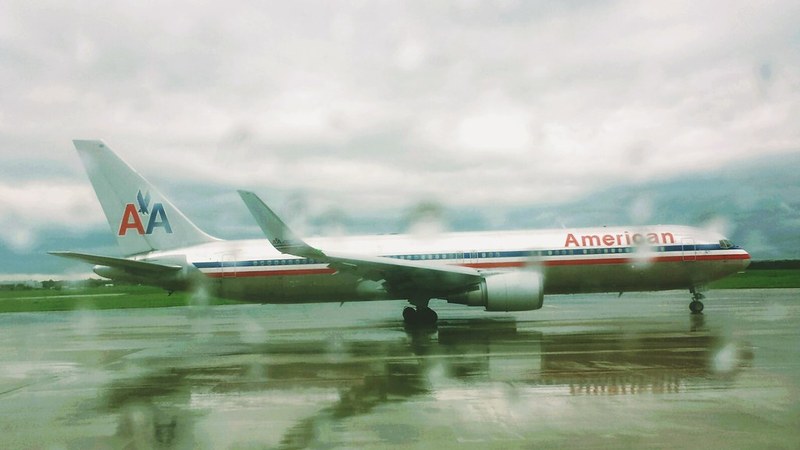
In July, American Airlines implemented a nationwide ground stop caused by an information technology outage, delaying 30% of its flights and canceling over 200 services. Additionally, a CrowdStrike-related outage at Delta Air Lines in July 2024 resulted in over 7,000 cancellations over five days and tens
of thousands of delays, illustrating the impact of IT disruptions on airline operations.
Staffing Shortages Hamper Recovery and Capacity
Staffing deficits in airlines and air traffic control contribute to delayed recoveries and operational constraints, especially in busy coastal and Midwestern regions. Federal Aviation Administration oversight reports identify air traffic controller shortages that force more conservative traffic metering to maintain safety margins, limiting airspace and runway throughput during high-demand and weather-impacted periods.
Travelers Face Extended Delays and Advised Precautions
Passengers should expect extended delays, missed connections, and rerouted itineraries as disruptions today spread across the system. The Department of Transportation requires airlines to provide refunds on unused ticket portions when flights are canceled or
significantly delayed and passengers opt not to travel. Travelers are encouraged to retain records of expenses and airline communications for reimbursement purposes.
Managing itinerary changes via airline apps or websites can aid in securing alternate flights, particularly earlier in the day to avoid compounding delays. Utilizing telephone or mobile service options at airports may reduce wait times compared to in-person counters during disruption periods. Airlines generally offer meal vouchers and hotel accommodations during extended disruptions, though regulations for compensation are still under review.