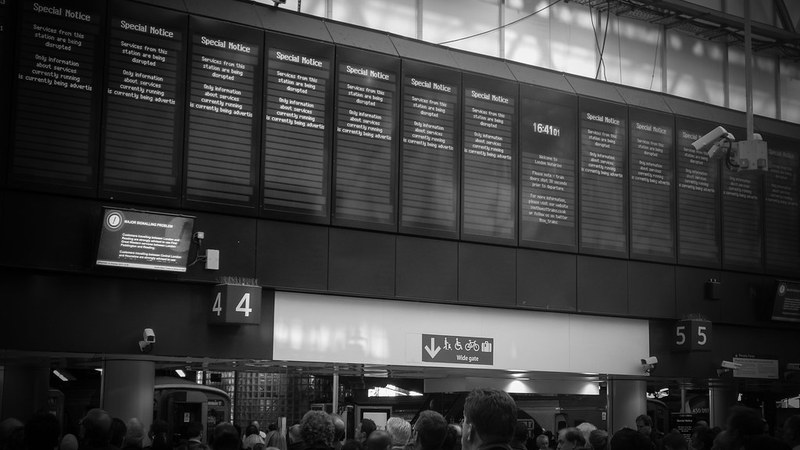
On September 2, 2026, U.S. air travel faced widespread disruption with 896 flights delayed and approximately 200 flights cancelled nationwide. Causes include severe weather, Federal Aviation Administration (FAA) ground stops, airline staffing shortages, and technology failures affecting operations.
Major Airports Experience High Disruptions
Key hubs such as New York area airports (JFK, LaGuardia, Newark), Philadelphia, Washington, Chicago O’Hare, Atlanta, and Boston Logan International saw significant delays and cancellations. Thunderstorms and low visibility triggered FAA advisories including ground stops and flow-control programs at these airports, slowing departure rates and creating extensive backlogs.
Flight-tracking data shows hundreds of aircraft either waiting on runways or holding in the
air, with the most severe delays occurring during late afternoon and evening departures when schedules are busiest.
FAA Ground Stops and Weather Effects on Flight Operations
The FAA implemented storm-related ground stops at New York, Philadelphia, and Washington airports to ensure safety in increasingly congested airspace. Flow-control measures limit the number of aircraft allowed to depart or arrive, causing cascading delays through connecting flights across the system.
Chicago O’Hare and Boston Logan International experienced heavy rain and severe storms earlier in the summer, which previously led to more than 200 cancellations and over 1,200 delays at Chicago O’Hare, and hundreds of delays plus dozens of cancellations in Boston. These
weather events amplify the strain on already constrained runways and air traffic control facilities.
Background: Staffing Shortfalls and Technology Issues
Airline and FAA staffing shortages in pilots, mechanics, and air traffic controllers continue to limit recovery capacity during disruptions. The airline industry is still adapting to elevated passenger demand following the pandemic, operating close to maximum runway and airspace capacity.
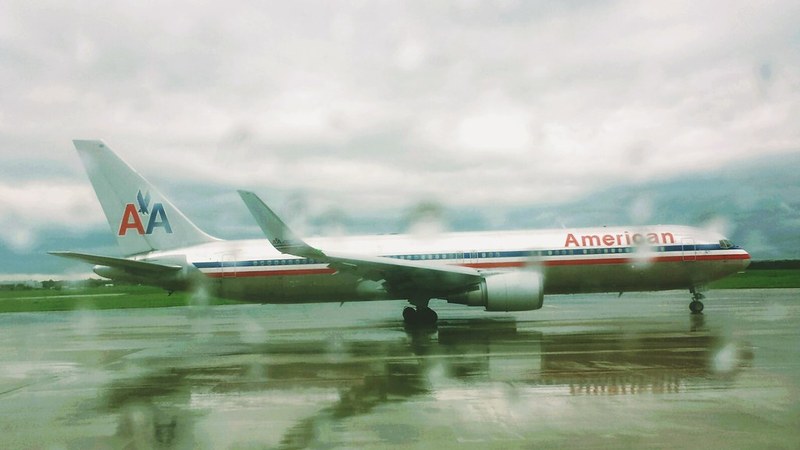
Recent major airline IT failures illustrate this vulnerability. In July, American Airlines suffered an information technology outage that delayed around 30% of its schedule and cancelled more than 200 flights nationwide. The same month, Delta Air Lines faced a five-day CrowdStrike-related outage resulting in over 7,000
cancellations and tens of thousands of delays.
Passenger Impact and Recommendations
Today’s 896 flight delays and 200 cancellations have caused longer lines, missed connections, and rerouted trips extending beyond the initial disruption day. Passengers face challenges restoring itineraries due to displaced aircraft and crews.
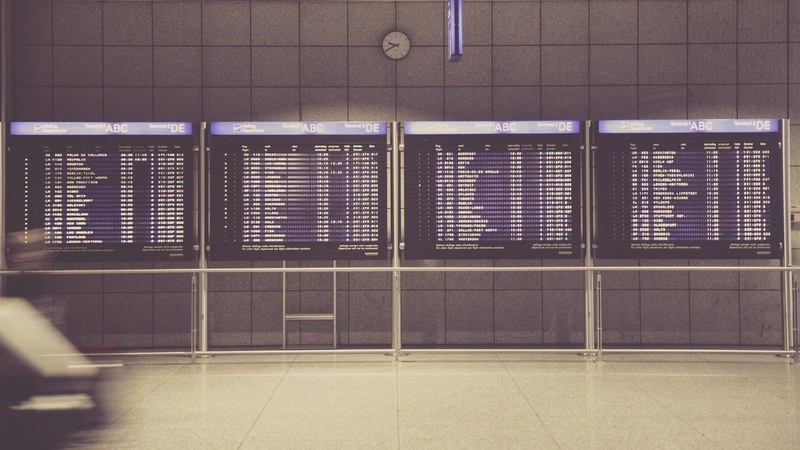
Morning flights and direct routes are less affected, offering better chances for timely departures and recovery. Airlines encourage travelers to use mobile apps and online platforms for same-day flight changes during disruptions. Monitoring real-time flight status is critical, as gate changes and schedule updates often appear on apps before airport displays.
Travelers should prepare alternative plans and be aware that
disruptions at distant hubs or prior day rotations may impact their flights even if the origin airport is operating normally.
Regulatory Context and Passenger Rights
U.S. Department of Transportation regulations mandate that airlines provide refunds, not just vouchers, for unused tickets after cancellations or significant delays. Proposed federal rules under review could require airlines to cover passenger expenses and provide compensation during extended disruptions.
Passenger service commitment dashboards compare airline policies on meal vouchers, hotel accommodations, and transportation when delays or cancellations are under airline control rather than weather or FAA constraints. Keeping records of expenses and airline communications can support reimbursement claims or complaints.
Industry Capacity and System Limitations
The U.S. airline system operates nearly at full capacity with minimal excess to absorb disruptions. Elevated summer and shoulder-season travel demand intensifies the effects of weather and operational issues. Severe weather, staffing shortages, and IT outages compound to stretch airline and FAA resources, increasing the risk of multi-day delays and cancellations.
Historical data shows that large-scale disruptions have led to thousands of delays and cancellations in short periods, demonstrating the fragility of the national airspace system during peak travel loads.