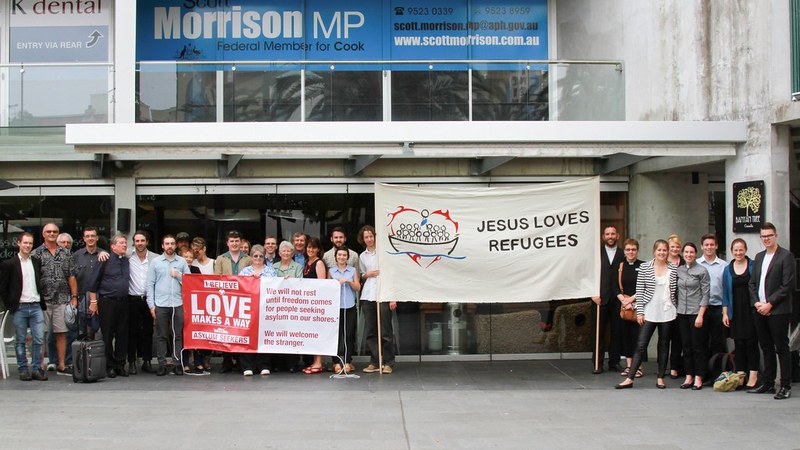
Prime Minister Anthony Albanese confirmed on 27 August 2026 that the Australian government will continue its humanitarian visa intake at 20,000 placements in future years, stating this policy “will be continued in future years, consistent with Australia’s humanitarian commitments.” This rebuffs earlier media speculation about reducing the intake to 13,750 starting next financial year.
Political Context and Migration Reform Delays
Home Affairs Minister Tony Burke had not finalized next year’s humanitarian intake prior to Albanese’s statement. Burke canceled a planned National Press Club speech on migration reforms earlier in August due to a lack of cabinet agreement on the proposals. Albanese said there is a “series
of plans in place but there is still more work to do to finalise them,” declining to offer a timetable for announcements.
Migration Figures and Party Targets
Net overseas migration (NOM) for Australia reached 306,000 in 2024-2025, down from a post-pandemic peak of 568,000. Labor’s budget forecasts expect NOM to decline to 225,000 by 2027-2028. Opposition leader Angus Taylor proposes capping NOM at or below the estimated number of homes built each year, under 180,000. The One Nation Party prefers a migration target of 130,000, with internal disagreement over how many additional essential workers to accept.
Proposed Visa and Immigration Policy Changes
The government plans multiple immigration restrictions affecting international students,
tourists, and family members accompanying students. Student visa changes under consideration include banning course changes intended to extend stays, restricting onshore visa applications, limiting family member permissions on student visas, and halting transfers between education programs. Tourist visa durations may be cut from 12 months to six months. Additionally, Australia’s permanent migration program was reduced from 195,000 to 185,000 places. Changes to the skilled visa program have deprioritized overseas applicants and tightened criteria such as age limits, English proficiency, costs, and proof-of-funds for international students.
Impact on Humanitarian Applicants and International Students
The stable humanitarian visa intake at 20,000 placements ensures ongoing support for refugees amid broader
immigration reforms. International students face increased restrictions which may affect their study options, visa processing, and ability to bring family members. Visitors may experience shorter tourist visa durations, impacting travel plans.