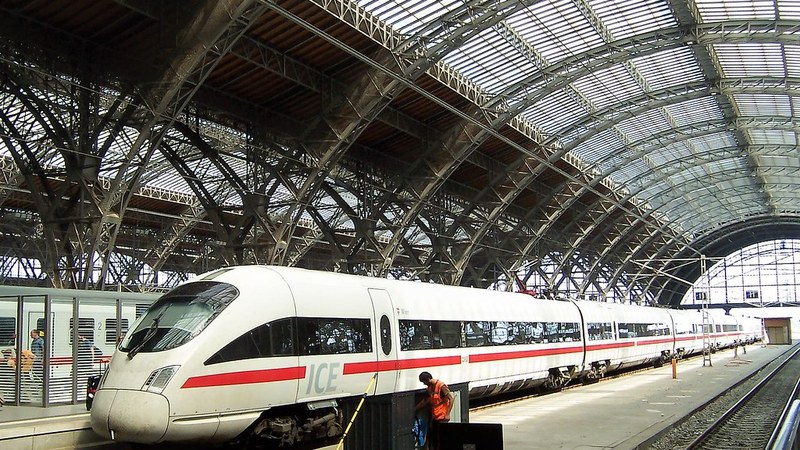
In the first six months of 2026, cancellations affected 8% of German long-distance trains, marking an increase of three percentage points compared to the same period in 2025, according to Railway Gazette International. This cancellation rate is the second highest since 2019, after a 12% rate recorded in the first half of 2024 during strikes by the German Train Drivers’ Union (GDL). Excluding cancellations, 58.7% of long-distance services arrived within six minutes of their scheduled time, illustrating continuing reliability challenges.
Ongoing Infrastructure Upgrades on Key Routes
Efforts to modernize Germany’s rail infrastructure continue with the full reopening of the Hamburg–Berlin line in June 2026. This route
was closed for major reconstruction from August 2025. Additionally, the Riedbahn between Frankfurt (Main) and Mannheim has been undergoing rebuilding since July 2024. These lines are part of a broader 40-corridor Generalsanierung programme aimed at route-wide modernisation to improve network reliability and capacity.
Passenger Numbers Decline and New Market Entrants
Long-distance passenger volumes on Deutsche Bahn have been falling since the partial recovery following the pandemic peak in 2022-23. Technical difficulties and infrastructure shortcomings continue to undermine service quality. Italian open access operator Italo has ordered a new high-speed fleet with plans to launch services between München–Dortmund and München–Berlin–Hamburg in 2028, contingent on improved network reliability.
Political Response to Rising Cancellations
Green
lawmaker Matthias Gastel criticised the current state of long-distance rail reliability, stating, “Deutsche Bahn and the government must not simply accept the rising and persistently high number of cancellations on long-distance services.” The statement reflects heightened concern over service disruptions driven by network bottlenecks, tight schedules, technical faults, and previous strike actions.