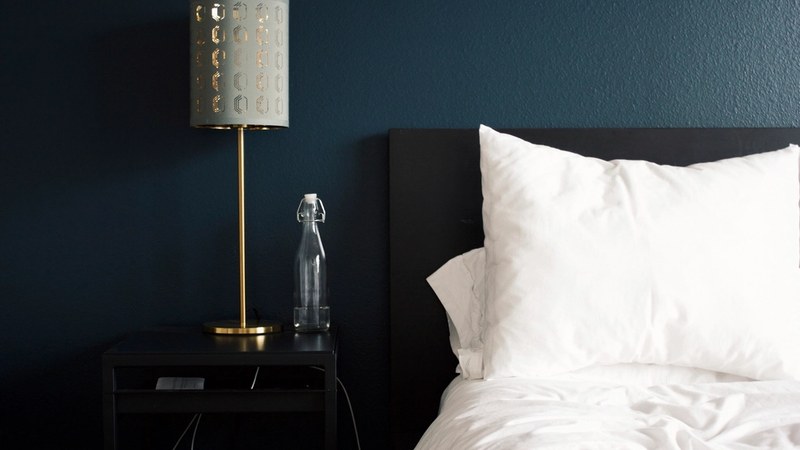
Top hotel chains sold more than 12 million pillows in the first half of 2026, with Atour alone surpassing 12 million units of its Deep Sleep Memory Pillow Pro by the end of June. Atour’s retail pillow and quilt sales accounted for 40% of its total revenue in H1 2026, contributing to a broader move away from reliance on room rate profits within the hotel industry.
Atour’s Retail Sales Drive Revenue Growth
Atour’s retail revenue expanded from 254 million yuan in 2022, representing 11.22% of total revenue, to 3.67 billion yuan in 2025, or 37.5% of overall revenue. In the first half of 2026, retail income
rose further to constitute 41% of total revenue. Quilt sales also surged, with the core quilt category’s gross merchandise volume increasing more than 80% year on year in H1 2026.
Despite profitability, Atour’s sales and marketing expenses increased 54% year on year to 606 million yuan in Q2 2026, and retail business costs grew by 70%. The retail gross profit margin improved from 37% in 2021 to 53.3% by Q2 2026, reflecting efficiency gains. Pillows are manufactured by OEM factories in Dongguan, Guangdong, with franchisees purchasing them at prices ranging from 17% to 35% of retail value.
Huazhu’s Asset-Light Expansion and Operational Trends
Huazhu opened 498
new stores in a single quarter, mostly franchise-operated, with corporate investment limited to just one store. By June 2026, Huazhu operated more than 13,000 hotels globally, with 93% of rooms under management, franchising, or licensing arrangements and only 7% directly operated. H1 2026 revenue reached 13.117 billion yuan, an 11.0% increase, while net profit of 2.394 billion yuan remained nearly flat.
Huazhu’s franchising and management business generated 6.592 billion yuan in H1 2026, a 22.9% year-on-year increase and accounting for over half of its total revenue. Directly operated and leased stores have experienced revenue declines for eight consecutive quarters, shrinking
4.9% year on year. Operating costs rose 7.4% in H1 2026, below the revenue growth rate.
Occupancy rates dropped from 81.0% in H1 2025 to 79.8% in H1 2026, declining for six straight quarters amid a 12.7% increase in available rooms without proportional growth in paying guests. Huazhu planned to close between 600 and 700 stores in 2026, with 176 closures in Q2, of which 157 were franchise locations.
Franchise Model Pressures at Atour and Huazhu
Atour operates 2,175 stores, 2,156 of which are franchises. Franchisees bear the costs of construction, management fees, and are required to purchase pillows from headquarters. Atour’s retail team sells pillows directly
to franchisees, channeling profits to the group while using franchisee spaces and guest traffic to promote retail sales.
Huazhu franchisees pay approximately 8% commission on orders placed through the central reservation system, with additional fees pushing total commissions above 12%. Franchise stores show lower room rates and occupancy than Huazhu’s directly-operated hotels, with a 3.2% lower occupancy rate and revenue per available room 81 yuan less in Q2 2026, indicating operational challenges for franchisees.
Hotel Industry’s Shift to Diversified Revenue amid Oversupply
The broader hotel industry faces excess room supply and weakening room rates, prompting operators to adopt diversified revenue strategies beyond room rates. Atour focuses on retail
sales of pillows and sleep products as a core growth pillar, while Huazhu leverages an asset-light franchising model prioritizing management fees and reduced capital expenditure.
This shift involves using hotel rooms as product showrooms to stimulate retail sales, as seen with Atour’s pillow sales. Meanwhile, franchisees encounter increased financial and operational pressure, including mandatory product purchases, store upgrades, and management fees, challenging their profitability despite rapid hotel expansion.