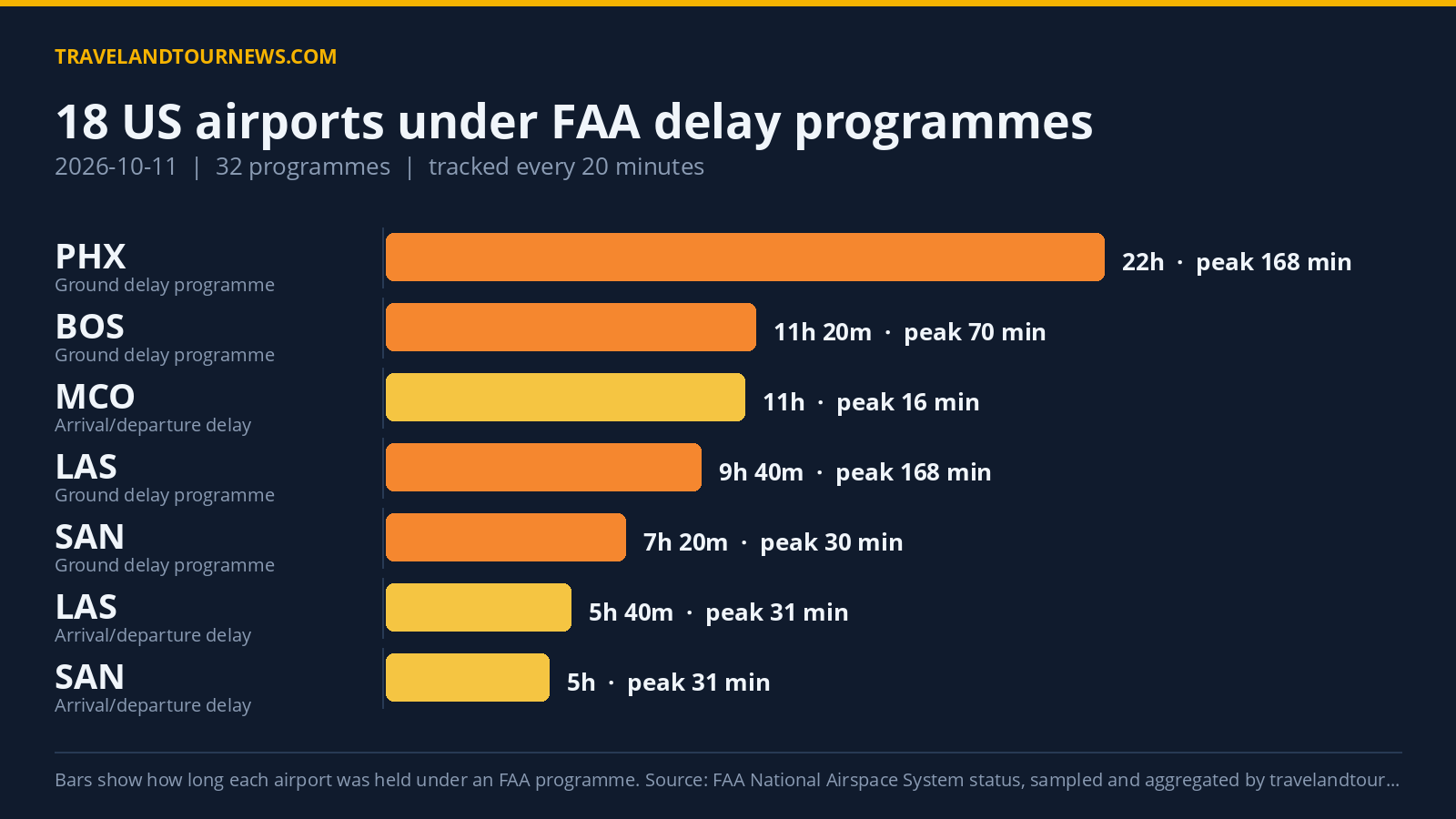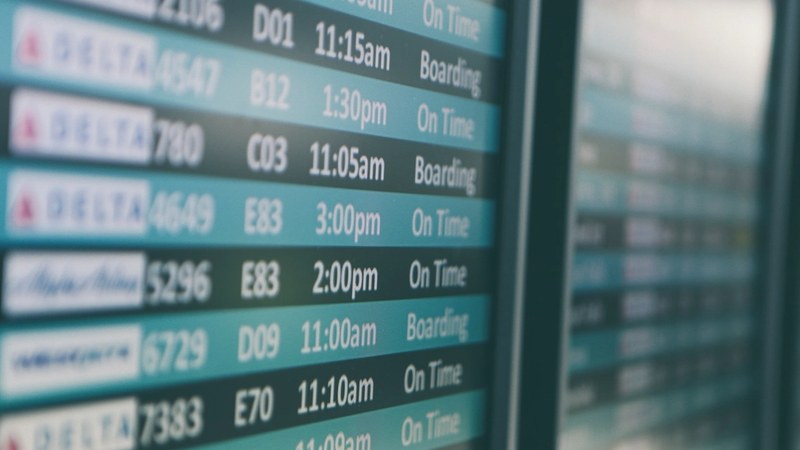
The Federal Aviation Administration (FAA) imposed ground stops on Sunday, August 23, 2026, at Chicago O’Hare International Airport (ORD) and Ronald Reagan Washington National Airport (DCA), resulting in hundreds of delayed and canceled flights. Severe thunderstorms in both Chicago and Washington, D.C., alongside an FAA Traffic Management Program linked to the Chicago Air and Water Show, were the main factors behind the disruptions. Major carriers American Airlines and United Airlines were affected, with significant operational challenges at their hubs in ORD and DCA.
Delays and Cancellations at ORD and Reagan National
At Chicago O’Hare, flight tracking data revealed arrival delays averaging 1 hour and 23 minutes, while departures
faced average delays of 1 hour and 26 minutes on August 23. The disruptions compounded existing issues from the previous day when FAA ground stops related to staffing shortages had already affected operations at ORD. United Airlines, with ORD as one of its largest hubs, experienced thousands of delays and several cancellations due to severe thunderstorms and staffing factors.
Ronald Reagan Washington National Airport also experienced substantial delays, with arrival delays averaging 1 hour and 15 minutes and departure delays averaging 1 hour and 32 minutes on the same day. Thunderstorms in the Washington, D.C. area contributed to ongoing FAA
ground delays impacting American Airlines flights. Both airports saw cancellations tied to the weather and FAA restrictions.
The Chicago Air and Water Show on August 16, 2026, originally scheduled from 10:30 a.m. to 3:00 p.m., was delayed until noon to 5:00 p.m. due to low cloud ceilings. This delay resulted in displacement of planes and crews, adding to scheduling challenges that extended into subsequent days, including the disruptions seen on August 23.
Weather Forecast and Continued Disruptions
The National Weather Service forecast for the Chicago area on Monday, August 17, 2026, predicted mostly sunny weather with a chance of showers and thunderstorms tapering off by
10 p.m., suggesting relief ahead for O’Hare’s operations. However, the forecast for Washington, D.C., indicated a continued chance of afternoon and evening thunderstorms, signaling potential for ongoing disruptions at Reagan National Airport beyond August 23.
Passengers traveling through ORD and DCA on and after August 23 faced longer wait times for rebooking, missed connections, and itinerary changes due to the cascading effects of ground stops and weather delays. Delays and cancellations at these two major hubs also reverberated across other airports, including Denver International Airport (DEN), where United Airlines faced related operational challenges.
Due to the combination of severe thunderstorms,
FAA Traffic Management Programs linked to the air show, and staffing constraints, American Airlines’ flights through ORD and Reagan National experienced widespread cancellations and delays on August 23, 2026.
Travel Impact and Operational Challenges
Operational disruptions at ORD and Reagan National significantly affected American Airlines and United Airlines schedules. The displacement of aircraft and crews from the Chicago Air and Water Show delayed flight turnarounds. Moreover, American Airlines had been dealing with recent travel interruptions caused by Tropical Storm Lala impacting flights to Hawaiian destinations. These compounded factors complicated scheduling.
While some improvement in weather and flight operations at ORD was expected after August 23,
travelers through either hub were urged to allow additional time due to disrupted aircraft and crew positioning. Flight status checks were critical as the positioning of planes and staff remained unsettled following the disruptions caused by severe weather and FAA ground stops.