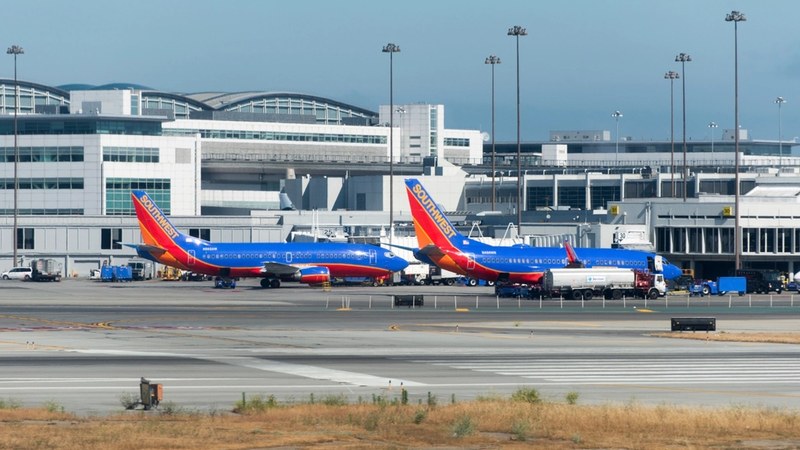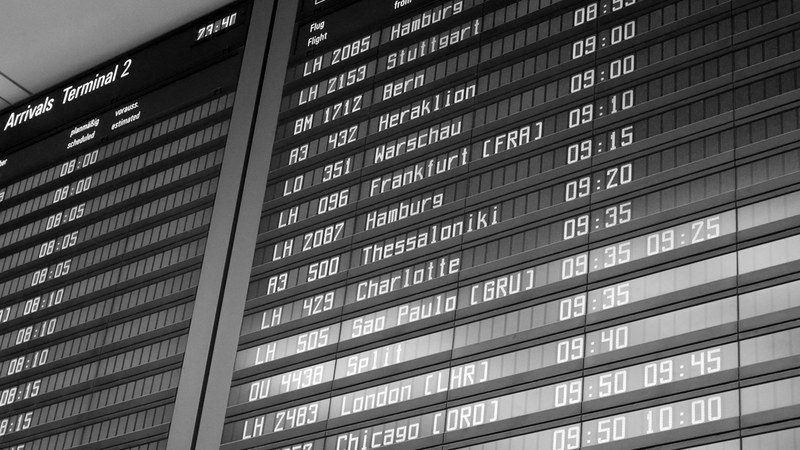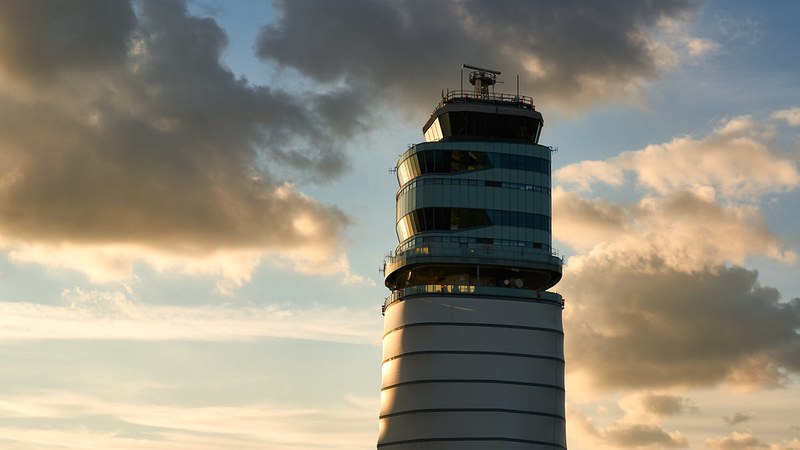
An air traffic control strike in Norway on 24 August 2026 resulted in 150 flight cancellations and 2,110 delays recorded across European airports and airspace, according to FlightAware data collected on 23 August 2026 at 5:03 pm GMT.
Oslo Gardermoen and Bergen Flesland Airports Lead in Cancellations
Oslo Gardermoen Airport experienced the highest number of cancellations with 75 flights grounded. Bergen Flesland Airport followed with 13 cancellations. The industrial action targeted Avinor, the state-owned operator responsible for Norway’s airport infrastructure. Luftfartstilsynet reported operational shutdowns at state-owned terminals, coordinating delay logs and assisting airlines with passenger rebooking across the affected network.
Strike Causes Cascading Disruptions Across European Airspace
The strike began as an industrial action by Norwegian
air traffic controllers and expanded rapidly, exacerbated by regional labor shortages and union activities. This led to widespread terminal shutdowns and airspace restrictions, turning a localized disruption into continent-wide closures impacting multiple European airports. Airlines and airports faced cascading delays as the strike pressured interconnected transit hubs.
Passenger Impact and Travel Recommendations
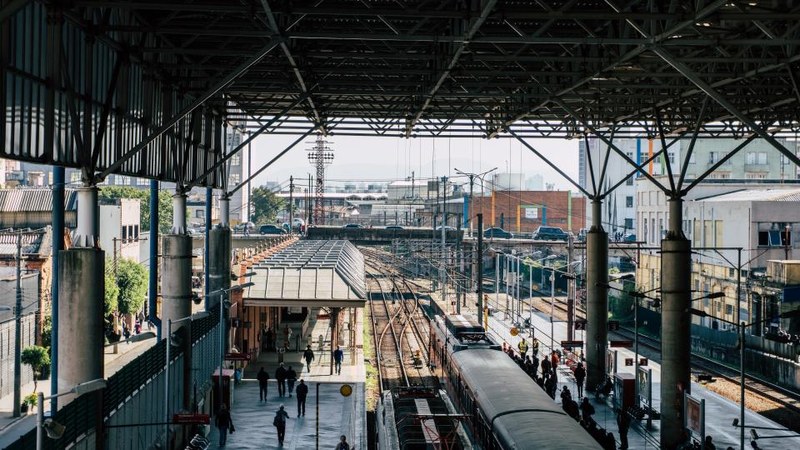
Passengers face significant cancellations and delays on routes involving Norway and throughout Europe. Travelers are urged to verify flight status online before traveling to airports to reduce unnecessary emissions and avoid congestion. For journeys under 300 miles, especially between Western European cities like Paris, London, Amsterdam, and Brussels, high-speed rail offers a reliable
alternative during the disruption. Maintaining digital copies of boarding passes and passenger rights documentation will support compensation claims. Local businesses near airports benefit when stranded passengers opt for nearby accommodations and services.
Regulatory Protections and Response
Under European Regulation EC 261/2004, passengers affected by cancellations and delays due to the strike are entitled to rebooking options, meals, accommodation where necessary, and potential cash compensation depending on circumstances. Airlines and airport operators have been coordinating passenger management and rebooking procedures to mitigate the strike’s impact. Luftfartstilsynet plays a central role in managing operational shutdowns at Norwegian state-owned terminals and supporting these efforts.
Long-Term Industry Outlook
The strike reflects
broader trends of labor challenges and staffing shortages in European air traffic control. Industry stakeholders are planning automated passenger rebooking systems and expanding high-speed rail corridors to relieve short-haul air traffic reliance. Standardizing air traffic control staffing agreements is also under consideration to improve resilience against future industrial actions. Coordinated efforts among international insurance providers, hotel networks, and municipal airport authorities seek to manage systemic disruptions effectively.