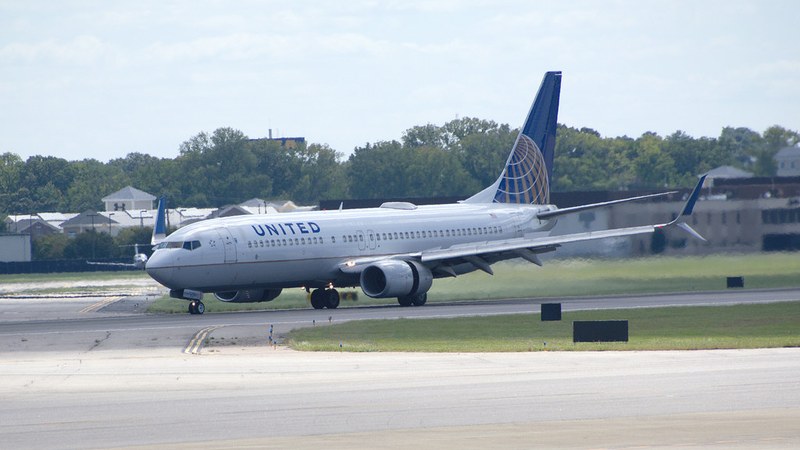
The Federal Aviation Administration issued a ground stop for flights arriving at Chicago O’Hare International Airport on the evening of August 21, 2026, as severe storms approached the Chicago region. The ground stop remained active through 6:30 p.m. local time, holding arriving flights at their departure airports to manage air traffic safely amid worsening weather conditions.
During the ground stop, flights departing from Chicago O’Hare were delayed by an average of 45 minutes. The FAA announced plans to transition from the ground stop to a Ground Delay Program to continue managing inbound flights once weather conditions allowed for controlled arrivals.
Operational Impact at Chicago O’Hare
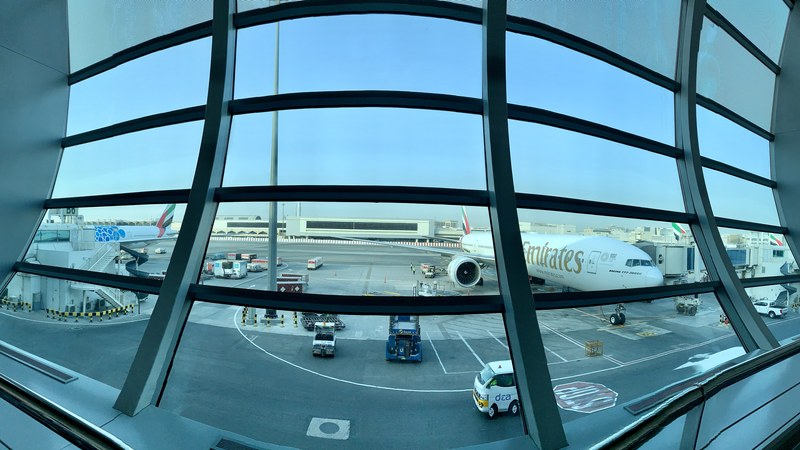
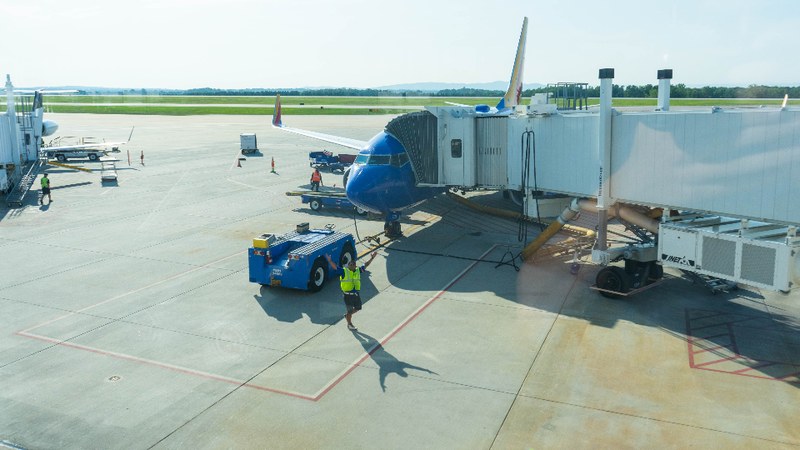
Weather-related delays generated a ripple effect throughout airport operations at O’Hare. Backed-up taxiways and crowded gates resulted from the congestion caused by halted arrivals and delayed departures. These operational challenges compounded the disruptions for flights throughout the evening.
Severe thunderstorm warnings were issued for several Chicago-area counties on August 21, with much of the Chicago region under a severe thunderstorm watch. These weather alerts underscored the need for the FAA’s precautionary ground stop and delay measures at the airport.
Traveler Disruptions and Flight Delays
Passengers on flights scheduled to arrive at O’Hare on the evening of August 21 faced ground holds at their originating airports
until the FAA lifted the ground stop. Meanwhile, travelers departing from the airport experienced an average delay of 45 minutes due to the cascading effects of the weather-related restrictions.
The grounding and delays primarily affected evening flights on August 21 and potentially impacted subsequent schedules through congestion and operational backlog at the airport.