The Federal Aviation Administration (FAA) implemented ground stops at eight major Northeast U.S. airports on August 21, 2026, due to convective thunderstorms and low cloud ceilings. These measures caused more than 800 flight cancellations and hundreds of delays that day, managing arrival capacity and ensuring safety amid deteriorating weather conditions.
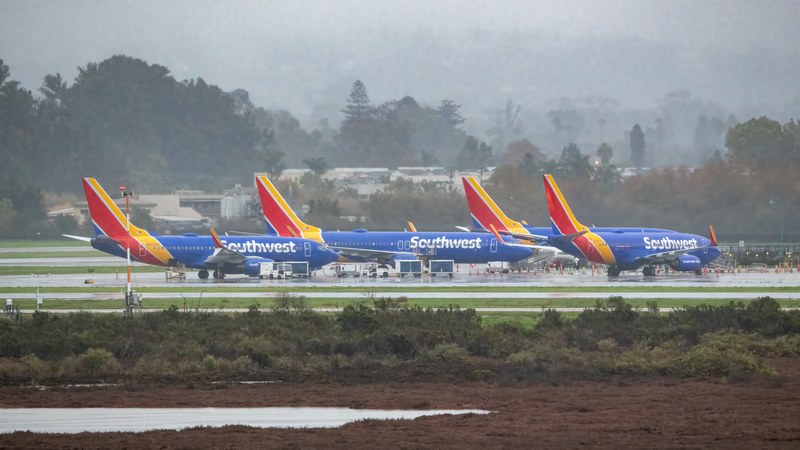
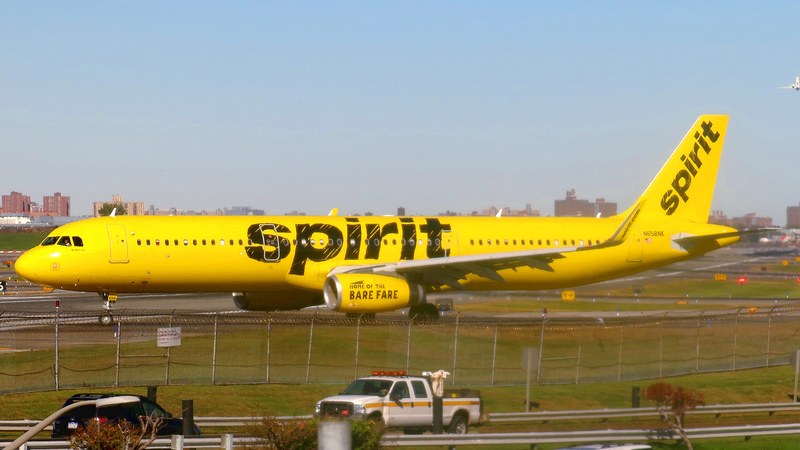
Major airlines affected included United Airlines, Delta Air Lines, Southwest Airlines, and American Airlines. Delta reported 63 cancellations and 960 delays, impacting 26% of its total capacity primarily from New York hubs. United Airlines experienced 281 delays and 50 cancellations at Chicago O’Hare International Airport (ORD), a key domestic connecting
hub disrupted by ripple effects accompanying the Northeast ground stops. Southwest Airlines led in delays nationwide, surpassing United.
Northeast and Inland Airports Experience Major Disruptions
The FAA’s ground stops targeted eight major airports within the Northeast corridor, focusing on New York and mid-Atlantic hubs including New York and New Jersey facilities. Baltimore/Washington International Thurgood Marshall Airport (BWI) was also affected, while cancellations and delays extended to inland hubs like Chicago ORD. Transcontinental routes experienced indirect impacts due to aircraft and crew repositioning challenges across the network.
Weather and Operational Constraints Prompt FAA Action
Convective thunderstorms and low ceilings substantially reduced arrival capacity, necessitating FAA ground stops as temporary traffic flow management tools. The Northeast
corridor’s complex and overlapping airspace combined with limited runway availability provides little margin during severe weather events. Persistent air traffic controller staffing shortages at high-density facilities further hinder rapid recovery from such disruptions.
Passenger Impact and Airline Responses
Passengers faced extensive disruptions including missed connections, overnight stays, and limited seat availability on later flights amid crowded gates and long lines at customer service desks. In response, major U.S. airlines enacted flexible rebooking policies, waiving change fees and fare differences for affected travelers. United’s waiver covered travel between August 9 and August 14, 2026, while similar waivers were offered by Delta Air Lines for the disruption
period, facilitating rebookings in the same cabin of service.
Operational Priorities and Continuing Disruptions
Airlines prioritized limiting cancellations on long-haul international and major hub-to-hub routes while reducing short domestic segments. Frequent multi-daily flights were emphasized to ease rebooking efforts. Despite easing of FAA restrictions later in the day, airlines continued cancelling flights into the evening to manage aircraft and crew repositioning, aiming to contain operational effects and prevent spillover disruptions into subsequent days.
The operational challenges highlight the Northeast corridor’s vulnerability to weather-induced shocks. Weather is the leading cause of flight delays nationwide, exacerbated here by traffic volume, runway constraints, and air traffic controller staffing
shortages. Industry groups advocate infrastructure upgrades and additional staffing to improve system resilience amid increasing travel demand.