The Federal Aviation Administration (FAA) implemented ground stops at nine U.S. airports on August 21, 2026, following severe thunderstorms, resulting in more than 800 flight cancellations and over 9,400 delays nationwide.
Disruptions Concentrated at Chicago O’Hare and New York Airports
Chicago O’Hare International Airport recorded the highest arrival cancellations with 168 flights canceled, accompanied by 281 delays primarily affecting United Airlines. United also canceled 50 flights departing O’Hare on the same day. LaGuardia Airport in New York experienced the most cancellations of departing flights during the storms.
Delta Air Lines reported 63 flight cancellations and 960 delays on August 21, 2026, accounting for 26% of its total capacity being
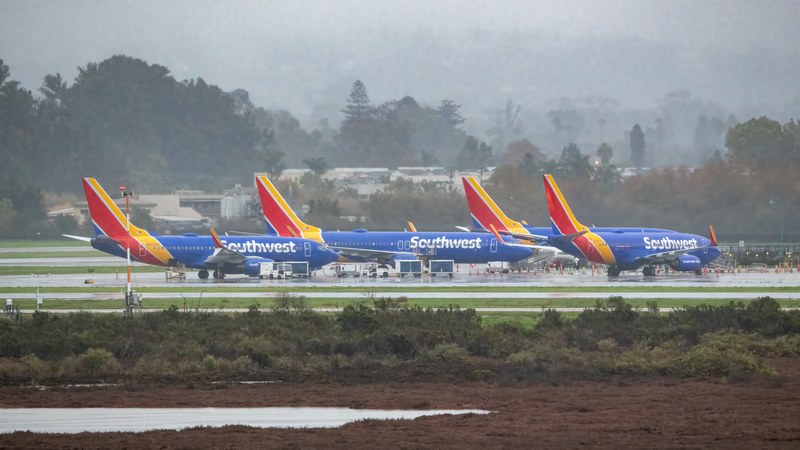
affected. These disruptions mainly occurred at Delta’s hubs in New York and New Jersey. Southwest Airlines endured a large volume of delays, second only to United Airlines in impact.
Severe Thunderstorms and Operational Constraints Prompt Ground Stops
The FAA instituted nine ground stops in response to thunderstorm activity and heavy rainfall impacting the Northeast, Midwest, and adjacent regions. The ground stops aimed to manage airport arrival capacity, particularly at high-traffic hubs where weather reduced runway availability and airspace complexity limited operational flexibility.
Ongoing air traffic controller staffing shortages at key Northeast airports compounded the delays, restricting the system’s ability to absorb surges once weather conditions began to improve.
The Northeast corridor’s complex airspace and limited runways frequently amplify disruptions during strong weather events.
Traveler Experience and Airline Responses
Passengers at the affected airports faced widespread cancellations and delays, encountering missed connections and long waits in crowded customer service lines. Airlines introduced flexible rebooking policies waiving change fees and fare differences under specific conditions.
United Airlines offered fee-waived rescheduling for flights departing between August 9 and August 14, 2026, requiring rebookings to remain in the same cabin and between the original cities. Delta Air Lines provided fare difference waivers for travel rebooked through August 13, 2026, at four New York and New Jersey airports,
contingent on maintaining the same cabin.
Social media user Justin reported on Twitter that United Airlines disrupted his and his wife’s travel and that both airline staff and passengers lacked information. United responded with an offer to review Justin’s case privately.
Official Airline Statements
Delta Air Lines stated on its travel alerts page: “To support customers during the forecasted summer weather affecting the New York area, travel to, from, or through the destinations listed below may be affected.” It added, “When rebooked travel occurs on or before August 13, 2026 in the same cabin of service as originally booked, the fare difference will
be waived.”
United Airlines’ travel alert specified: “If your flight is affected, here are your options: You can reschedule your trip and we’ll waive change fees and fare differences. But, your new flight must be a United flight departing between August 9, 2026 and August 14, 2026. Tickets must be in the same cabin and between the same cities as originally booked.”
Industry Context: Weather and Capacity Challenges
Weather remains the leading cause of flight delays in the U.S., with heavy thunderstorms frequently disrupting the congested airspace of the Northeast corridor. Air traffic controller shortages at high-density airports have persisted, further undermining operational resilience.
Ground stops,
while necessary for safety, can create cascading delays across the national network as displaced aircraft and crews affect transcontinental and regional routes. Infrastructure constraints and staffing challenges have been cited in industry and government reports as factors limiting effective recovery after severe weather events.