On August 21, 2026, the Federal Aviation Administration (FAA) imposed ground stops at eight major airports across the Northeast United States, leading to over 800 flight cancellations and thousands of additional delays. Key affected airports included New York’s LaGuardia Airport, Baltimore/Washington International Thurgood Marshall Airport, and Chicago O’Hare International Airport.
FAA Ground Stops and Nationwide Ripple Effects
Ground stops temporarily halt departures to specific airports to manage air traffic congestion and ensure safety when arrival capacities are reduced. The FAA activated these measures at multiple New York and mid-Atlantic airports due to severe thunderstorms, convective storms, and low cloud ceilings.
The combination of adverse weather and air
traffic controller staffing shortages, particularly in the high-density Northeast corridor with overlapping airspace and limited runway capacity, amplified operational disruptions. This led to a cascading effect, causing cancellations and delays that extended beyond the region to inland hubs and transcontinental routes nationwide.
Airline Responses and Flight Disruptions
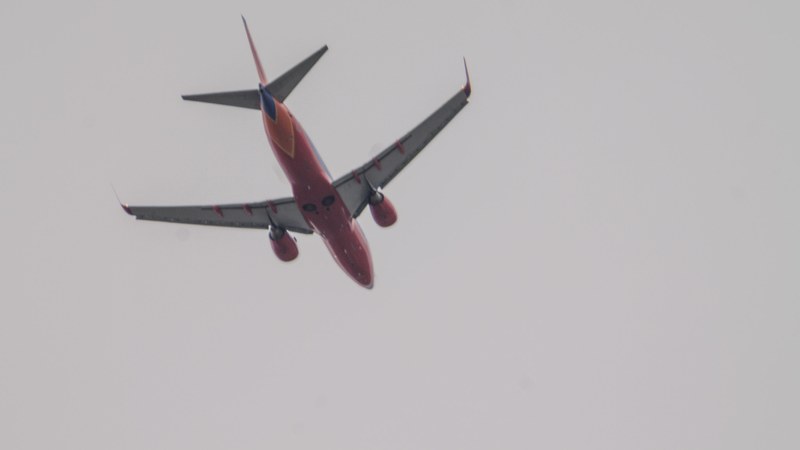
United Airlines faced the brunt of cancellations, with more than 800 flights canceled on August 21, 2026. Delta Air Lines reported 63 cancellations and 960 delayed flights that day, affecting about 26% of its capacity concentrated around New York hubs. Both airlines prioritized rebooking options that waived change fees and fare differences for travelers with flights departing between
August 9 and August 14, 2026.
Major U.S. carriers implemented rolling cancellations and delays, focusing first on flights with multiple daily frequencies to simplify passenger rebooking. Airlines also prioritized maintaining international and key hub-to-hub routes while scaling back on shorter domestic segments during the ground stops. These operational adjustments were accompanied by long queues at customer service counters and congested gate areas.
Traveler Impact and Ongoing Disruptions
Passengers at impacted airports faced lengthy lines at customer service desks and crowded gates, with many missing connections or needing overnight accommodations. The disruptions affected flights into and out of the busiest airports in the Northeast and reverberated
across the national network.
Travel experts warn that such large-scale events can disrupt airline schedules for one to two days or longer, depending on ongoing weather conditions and additional traffic management measures. Passengers were encouraged to monitor flight status frequently, check in early, and allow extra connection time in upcoming days. Early-morning departures were less affected and offered better reliability during recovery.
FAA Operational Context and System Vulnerabilities
Weather conditions remain the dominant cause of flight delays in the United States, especially in the heavily congested Northeast corridor where airspace complexity and runway restrictions limit capacity. The FAA routinely deploys traffic flow strategies, including ground stops
and ground delay programs, to mitigate safety risks during weather events.
Persistent staffing shortages among air traffic controllers at key Northeast facilities have been documented over recent years, increasing the system’s sensitivity to disruptions. These constraints reduce the ability to swiftly recover once adverse weather subsides. Despite strong overall safety performance, the combination of weather, staffing limits, and aging infrastructure continues to challenge operational resilience.