Record low water levels on the Rhine and other major European rivers, driven by persistent heatwaves and drought, have disrupted 2026 river cruise seasons across the continent. Germany’s shipping association BDB warned on August 14, 2026, that the Rhine at Kaub, a key navigational stretch, measured a historic low of about 10 centimeters on water gauges, lower than the previous 2018 record, putting navigation at risk of being “split in two”.
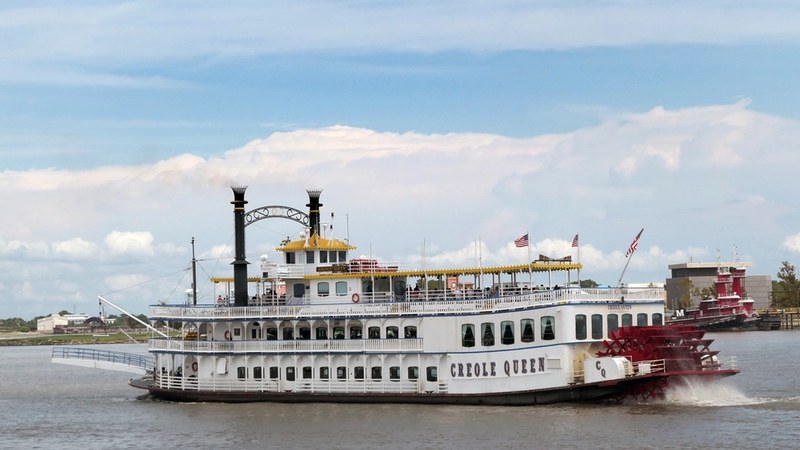
River cruise operators including Riviera Travel, Uniworld Boutique River Cruises, Viking, Viva Cruises, and CroisiEurope have responded with a range of operational adjustments. Riviera Travel cancelled 10 departures and
modified six itineraries across the Rhine, Danube, Moselle, and Main rivers. Uniworld has performed vessel substitutions on affected Rhine routes. Viking proactively informs passengers and travel agents ahead of departures to offer ship swaps. Viva Cruises, which has extended its sailing season to the full year since 2023, continues cruise operations on alternative rivers like the Seine, Douro, Rhone, and on regulated Baltic canals. CroisiEurope is working case-by-case with agent partners regarding affected bookings.
Navigation on the Middle Rhine, especially around Kaub, faces extreme challenges with water levels falling below 10 centimeters. Freight shipping also suffers as vessels operate with
reduced loads, and cargo is increasingly transferred to road and rail, disrupting European logistics along the Rhine. Lock systems on rivers in Holland and Belgium provide some mitigation for low water navigation but are not sufficient to offset all impacts.
Travelers are experiencing itinerary adjustments, cancellations, ship swaps, and some coach transfers. Operators offer compensation and complimentary shore excursions to affected passengers. Travel Village Group, which cancelled a Rhine and Moselle cruise scheduled for August 15, has created a crisis team to manage communications and encourage rebookings into late 2026 and 2027. Across the industry, communication and flexibility remain priorities
to manage passenger expectations.
Industry responses and official perspectives
Phil and Paula Nuttall, CEO and Managing Director of Travel Village Group, emphasized the operational and financial strain on river cruise operators, stating, “The financial and operational consequences of cancelling sailings, refunding guests, repositioning ships, and looking after customers must be enormous.” They urged collective industry support, adding, “This isn’t the time to retreat from river cruising. It’s the time for all of us who believe in it to stand together.”
Travel Counsellors’ Head of Cruise Janet Whittingham noted suppliers had responded professionally, with established strategies and teams managing the larger-scale and longer-lasting challenge. Advantage Travel
Partnership’s Director of Cruise Jonny Peat praised operators for being “incredibly responsive” and promoting collaboration with travel agents while prioritizing customers.
Panache Cruises’ Sophie Pearson described the creation of “off the script” itineraries and commission protection efforts as vital for maintaining positive client relationships. Uniworld UK & Ireland Managing Director Chris Townson called the situation an industry-wide challenge requiring close cooperation between cruise lines, river authorities, and ongoing investment in itinerary flexibility.
A-Rosa Cruise Sales Manager Oliver Tillson highlighted the frequency of low water periods as a driver to “accelerate the modernisation and climate adaptation of waterway infrastructures” as essential
for tourism’s future. Riviera Travel Product Director Will Sarson stated river cruising’s resilience and promised a post-season assessment of operational lessons. CLIA UK & Ireland Managing Director Andy Harmer acknowledged the proactive work by river cruise operators and travel agents supporting customers affected by the drought conditions.
Environmental causes and operational context
Persistent heatwaves and drought conditions across Europe in 2026 have caused record-low water levels on the Rhine, Danube, Po, and other rivers, with severely baked ground delaying rainfall absorption and river level recovery. These conditions reduce navigable depths, complicating operations for both passenger river cruises and freight vessels.
Operators have sought to mitigate
impacts by altering itineraries, implementing ship swaps, arranging coach transfers for disrupted segments, and extending sailing seasons. Alternative routes on rivers like the Seine, Douro, and Rhone, as well as regulated Baltic canals, offer options for ongoing operations during low water periods.
These disruptions cover a larger scale and longer duration than previous years, with cruise lines, travel agents, and river authorities working closely to manage challenges. The inland freight shipping industry also faces disruption, leading to cargo transfers to road and rail transport in Europe. Continued investments in waterway infrastructure modernization and climate adaptation are critical to addressing these
recurring low water events.