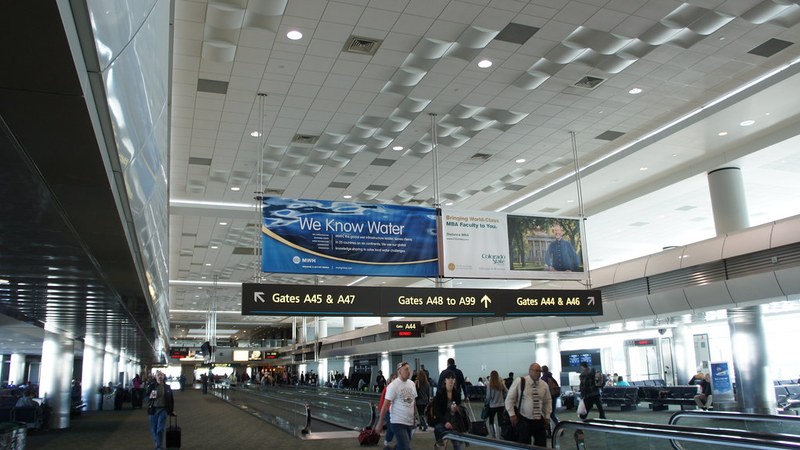
On August 15, 2026, the Federal Aviation Administration (FAA) issued a ground stop at Denver International Airport (DEN) starting at 3:25 p.m. local time amid severe thunderstorms. More than 700 flights were either delayed or canceled as a result of the ground stop triggered by heavy rain, hail, and flash flooding risks affecting the Colorado Front Range.
Airline Disruption and FAA Traffic Management
FlightAware tracked 689 delayed flights and 22 cancellations at DEN by the end of the day. United Airlines experienced the highest disruption with 216 delayed flights and four cancellations, as DEN is its second-largest hub. Southwest Airlines reported 249 delays and three cancellations;
it serves DEN as its most frequented airport. SkyWest faced 157 delays and 10 cancellations, and Frontier Airlines canceled eight flights, with DEN being its second-busiest airport. The FAA implemented the ground stop to hold inbound flights at their departure airports, preventing aircraft from entering holding patterns over Denver.
Denver International Airport’s Operational and Economic Importance
Denver International Airport covers 53 square miles and is the fourth-busiest U.S. airport, serving over 82.4 million passengers in 2025. United Airlines alone moved more than 41.4 million passengers through its Denver hub that year, a 6.3% increase over 2024. The airport generates an estimated $47.2 billion in annual economic impact
for Colorado. The concentration of traffic through United, Southwest, and Frontier — which control 88% of seat capacity at DEN — amplifies the impact of weather disruptions. The FAA classifies Denver among the “Core 30” U.S. airports most prone to weather-driven delays due to its elevation and exposure to convective storms.
Meteorological Causes Behind the Ground Stop
The ground stop was caused by a strong monsoon moisture surge over the Colorado Front Range, a seasonal North American Monsoon pattern that brings subtropical moisture into the region from mid-July through August. This seasonal pattern frequently generates fast-developing afternoon thunderstorms over the High Plains. Convective storm cells forming
near Denver’s foothills produce strong outflow winds and wind shear, conditions that compromise airport flight operations.
Traveler Impact and Delay Duration
Flights at Denver International Airport on August 15 were delayed on average by one hour and 44 minutes. The FAA’s ground stop kept incoming flights held at their origin airports to avoid airborne holding patterns over DEN. The weather-related delay on August 12, 2026, had previously caused an average arrival delay of 144 minutes, another instance in a series of summer weather disruptions at the airport.