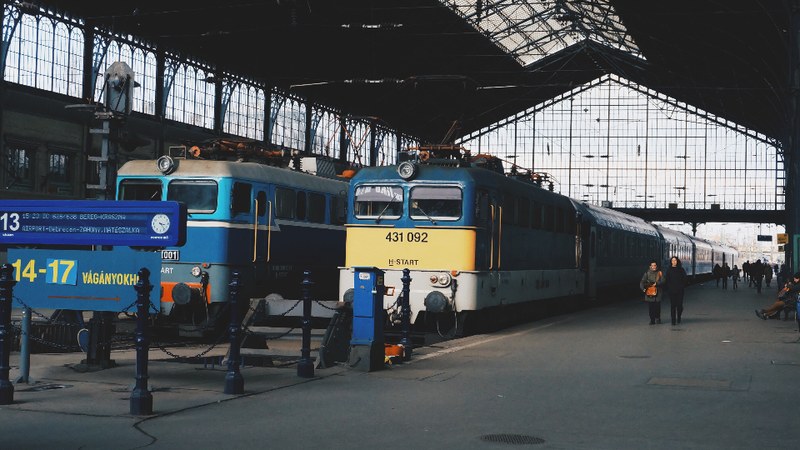
The UK government has ordered East Midlands Railway (EMR) to take immediate steps to improve service performance ahead of its planned transfer into public ownership by the end of 2027.
Aurora Fleet Problems and Strike Action Affect EMR Services
Since introducing its new Aurora (Class 810) fleet manufactured by Hitachi Rail in December 2025, EMR has experienced persistent reliability and maintenance challenges. These issues have resulted in months of train delays, service cancellations, overcrowding, and strike action by RMT union members in July 2026.
Timetable Reductions and Planned Service Restorations
Due to ongoing problems with both the new Aurora trains and maintenance of existing Class 222 units, EMR temporarily cut its Intercity timetable operating between
the East Midlands and London St Pancras to 87% in July 2026. Service levels were increased to 92% on 1 September 2026 after operational improvements, with plans to restore 96% of the timetable from 19 October 2026.
Renationalisation and Government Rail Reform Strategy
EMR’s transfer to public ownership can commence as early as 18 October 2026, the earliest contractual termination date without penalties. The Department for Transport (DfT) expects this process to complete by the end of 2027 as part of a broader rail reform. The reforms aim to reverse 30 years of fragmentation by unifying track and train services under the new organisation Great British
Railways and are projected to save the government £150 million annually by ending payments to private operators.
Political and Industry Responses to EMR’s Service Challenges
Labour MP James Naish for Rushcliffe criticized the government for extending contracts with failing companies, stating that continuing such agreements discourages improvements. Conservative MP Neil O’Brien for Harborough, Oadby and Wigston questioned whether renationalisation alone will resolve EMR’s current operational difficulties. Railfuture’s East Midlands branch secretary Steve Jones expressed cautious optimism that nationalisation would improve system coordination for passenger and freight benefit but emphasized the importance of implementation details.
An EMR spokesperson confirmed no formal public ownership transfer date has been set. The
company apologized for the disruption caused by a three-year delay in Class 810 deliveries and maintenance issues, affirming its commitment to restoring full Intercity service levels promptly in cooperation with Hitachi Rail and the DfT.
Passenger Impact and Government Oversight
The reduced Intercity timetable in mid-2026 caused overcrowding and delays on the East Midlands to London route, amplifying passenger disruption. RMT union strike action further affected service continuity. The DfT stated that although public ownership is not a cure-all, EMR must resolve performance issues quickly to reduce passenger impact and provide a more reliable service before the renationalisation is finalised.
Context of Recent and Upcoming Rail Nationalisations
EMR joins several other rail
services already under public ownership, including Great Anglia and South Western Railway. Avanti West Coast is scheduled for nationalisation from March 2027. These moves form parts of government efforts to enhance coordination across the rail network and reduce costs associated with private sector operations.