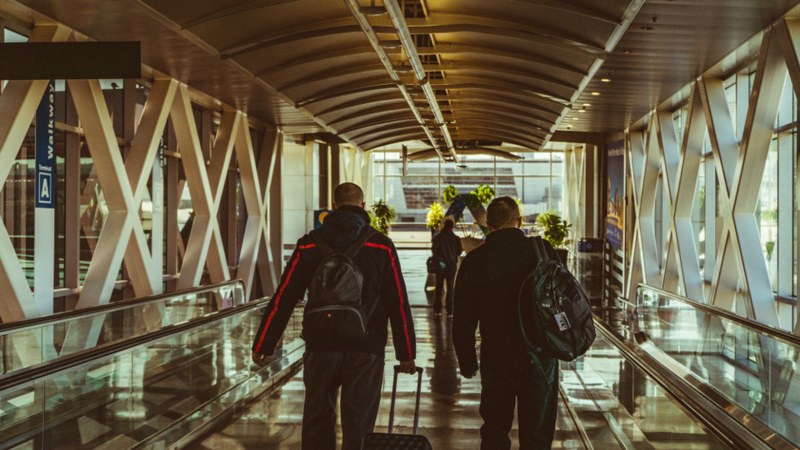
Ted Stevens Anchorage International Airport (ANC) introduced new flight routes in 2026 and approved a comprehensive 20-year master plan to expand terminal capacity, cargo infrastructure, and amenities. The airport handles approximately 5 million passengers annually and recorded an 11 percent growth in seat capacity during the first half of 2026.
Strategic Location Drives Passenger and Cargo Growth
ANC’s position near the Pacific Great Circle route serves as a critical transit point for cargo and passenger travel between Asia, Europe, and North America. The airport ranks first in the United States and third globally for cargo volume, serving major carriers like UPS and FedEx that use Anchorage for
refueling, crew changes, and package sorting.
“ANC continues to prove that Alaska is at the center of global commerce,” said Angie Spear, director of the Alaska International Airport System. Ryan Anderson, commissioner of the Alaska Department of Transportation and Public Facilities, emphasized that infrastructure investments at ANC strengthen economic opportunities across Alaska.
Expanded Flight Service Enhances Connectivity
Alaska Airlines added three nonstop seasonal routes in 2026 connecting Anchorage with Boise, Boston, and Spokane. The airline also increased seasonal service between Anchorage and San Diego and Sacramento by adding Wednesday flights during summer 2026. Marilyn Romano, Alaska Airlines regional vice president for Alaska, noted that these
new routes improve travel options for both visitors and residents.
American Airlines began a seasonal route between Anchorage and Phoenix in May 2026, continuing through September 8, 2026. Southwest Airlines launched seasonal service to ANC in May 2026, marking a new addition to the airport’s passenger network. Andrew Watterson, Southwest’s chief operating officer, highlighted the airline’s commitment to joining the Anchorage and Alaska communities.
“Welcoming Southwest gives passengers more choice, strengthens competition, and underscores Anchorage’s position as a gateway for both people and goods moving between Alaska and the world,” Spear stated.
Infrastructure Plans Address Passenger Growth and Cargo Demand
The 20-year master plan approved by ANC includes
projects to expand terminal facilities, add gates, modernize baggage systems, enlarge TSA checkpoints, and improve parking. The airport is evaluating adding hundreds of parking spaces and considering future parking structures to meet rising demand.
ANC will upgrade cargo infrastructure and operational systems to support its role as the nation’s top cargo airport. A new 300-foot air traffic control tower, designed by Stantec, was planned to be the tallest occupied building in Alaska but is delayed due to a Federal Aviation Administration rebidding process. New FAA requirements stipulate bidders demonstrate the capacity to sustain projects exceeding $120 million.
Passenger Amenities and Concessions Program Recognized
ANC’s concessions program
ranked first in two Top 50 categories in the Airport Experience Fact Book 2025. Teri Lindseth, development manager for the Alaska International Airport System, noted the program supports local businesses and enhances the traveler experience.
The airport offers amenities including an adult changing station, family room, pet relief area, meditation room, and the Hidden Disabilities Sunflower program. The latter provides discreet assistance to travelers with hidden medical conditions through sunflower lanyards and wristbands distributed by ticket counters and visitor centers.