Madrid generated €10 billion (£8.5 billion) in international tourist spending during January to June 2026, registering an 11.4% increase over the same period in 2025, when spending was €8.9 billion (£7.6 billion).
Spain’s National Statistics Institute data shows the city welcomed more than 5.6 million visitors in the first half of 2026, a 4.1% rise year-on-year. These tourists accounted for 11.9 million overnight stays. Overseas visitors made up 59% of this total, with the largest foreign market being the United States at 567,158 arrivals, followed by Italy with 228,576 and the United Kingdom with 180,463 visitors.
Economic Impact of Tourism in Madrid
Almudena Maíllo, city councillor
for tourism, highlighted the broad appeal Madrid has established nationally and internationally. She described tourism as “an engine of development for the city, generating economic activity in neighbourhoods and creating stable employment for thousands of Madrid residents.” Maíllo emphasized that “every euro spent by visitors benefits the city and the services enjoyed by Madrid residents.”
Museo del Prado Visitor Management
The Museo del Prado responded to previous overcrowding by setting limits on group sizes after reaching capacity last year. Director Miguel Falomir stated that “the Prado doesn’t need a single visitor more,” indicating the museum’s efforts to manage visitor numbers and maintain quality experience.
Tourism Employment Growth and Overtourism Protests
Madrid’s
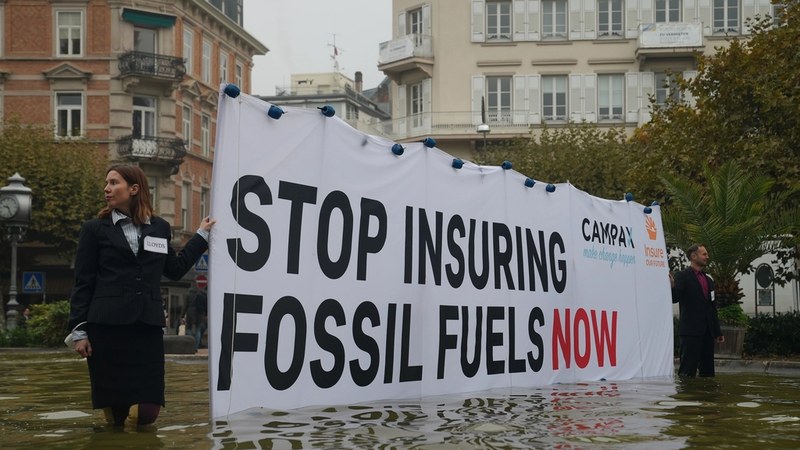
tourism sector expanded employment by over 5% in 2026. Meanwhile, overtourism has sparked protests elsewhere in Spain, notably in Mallorca. On July 26, protesters led by Menys Turisme, Mes Vida demonstrated against the impact of mass tourism, citing “an unprecedented housing crisis and a progressive decline in living conditions”.
Government Response to Overtourism-Driven Housing Issues
In April 2026, the Spanish government announced a tripling of investment in public housing aimed at addressing housing shortages linked to overtourism. This move targets challenges such as increased holiday let accommodation pushing up house prices and reducing housing availability.