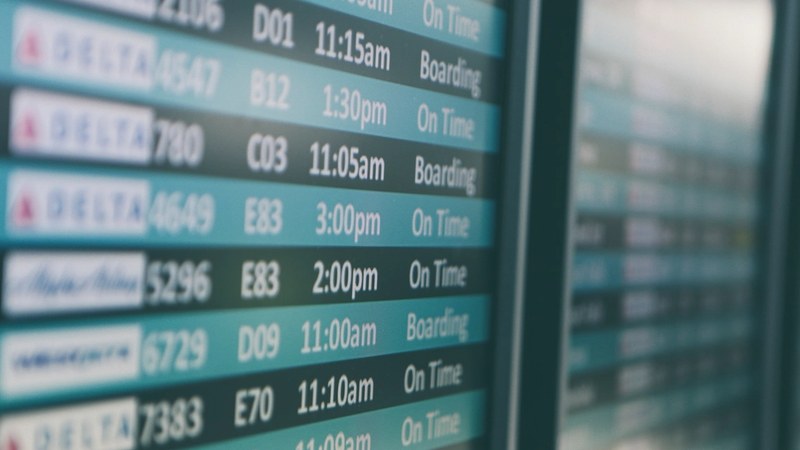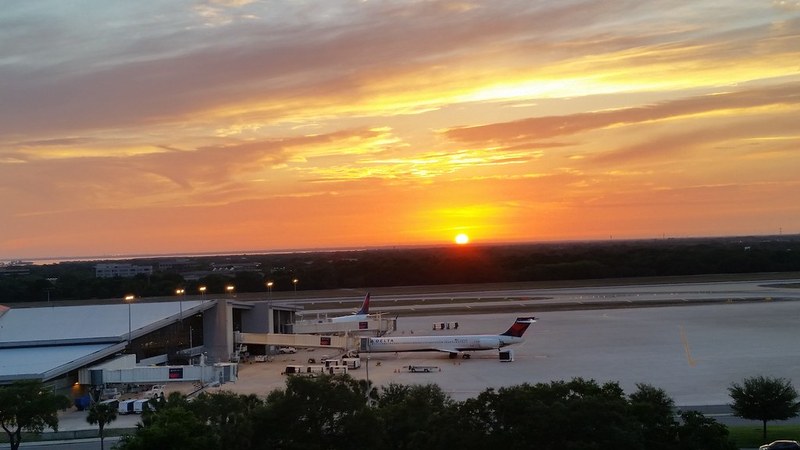
On August 9 and 10, 2026, Chicago O’Hare International Airport experienced the highest number of flight delays and cancellations in the United States, following FAA-imposed ground stops due to severe convective weather. Across the nation, at least 2,036 flights were delayed and 263 were canceled on August 10 alone, with O’Hare facing the heaviest single-hub impact.
FAA Ground Stops at Major U.S. Airports Amid Severe Weather
The Federal Aviation Administration implemented ground stops on August 9 at five major U.S. airports: Chicago O’Hare, Chicago Midway, Denver International, Las Vegas Harry Reid International, and Tampa International. O’Hare’s ground stop began around noon and extended for over three hours until 3 p.m.,
leading to average delays approaching 100 minutes upon resumption. The FAA categorizes ground stops as its most restrictive air traffic management tool, used to hold aircraft at feeder airports to avoid congestion and saturation at arrival airports during intense weather activity. Severe evening storms on August 9 further triggered 148 canceled departures and 124 canceled arrivals at O’Hare.
Airline Responses and Passenger Advisories
United Airlines reported 163 delays and 33 cancellations at O’Hare on August 10. Both United and American Airlines offered flexible rebooking waivers for travelers scheduled to fly through O’Hare on August 9, allowing passengers to change flight dates without incurring fees or
fare differences. FlightAware data recorded 87 delays and 48 cancellations at O’Hare on August 10. Passengers affected by canceled flights were advised to rebook promptly and keep essential items in carry-on luggage.
Nationwide Flight Capacity and Weather-Related Delay Statistics
The disruptions at O’Hare followed nearly 2,000 flight cancellations nationwide caused by severe weather and FAA ground stops at New York-area airports including John F. Kennedy International during August 7-8. The accumulation of weather events has exacerbated crew and aircraft rotation challenges for carriers. Flightradar24 documented a record 153,359 commercial flights worldwide in a single 24-hour period during July 2026. Severe weather accounts for approximately 74.26% of all
U.S. flight delays exceeding 15 minutes, making it the leading cause of disruptions nationwide. Operating at or near full capacity magnifies the effects of ground stops, as limited empty seats reduce options for rebooking, turning brief halts into multi-day delays.
Passenger Protections and Department of Transportation Regulations
Under regulations finalized by the U.S. Department of Transportation in 2024, airlines must provide automatic cash refunds within seven business days for domestic flight delays exceeding three hours if passengers decline rebooking. However, hotel and meal reimbursements are not required for weather-related delays, only for delays considered controllable. Travelers are recommended to enable notifications for gate changes and check flight
statuses regularly via airline apps or websites, particularly when connecting through busy airports like O’Hare.