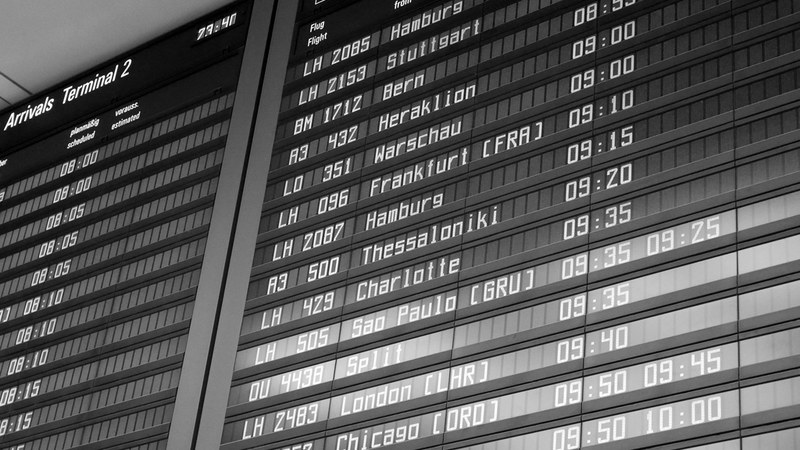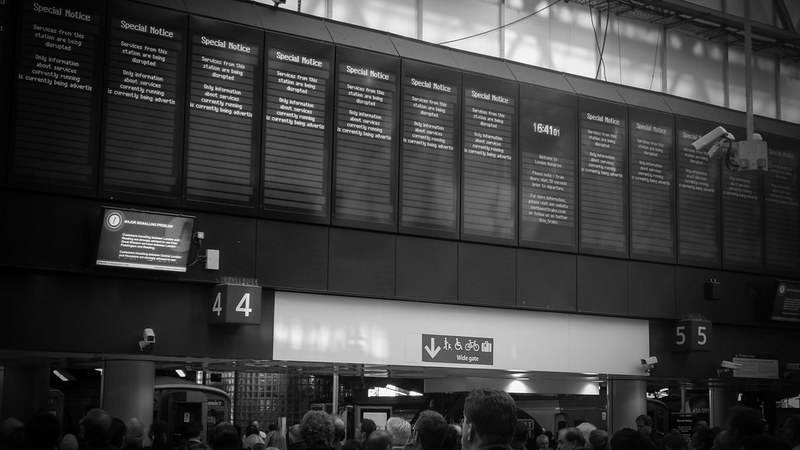
Approximately 930 flights were canceled on August 8, 2026, across Newark Liberty International Airport, John F. Kennedy International Airport, and LaGuardia Airport due to severe thunderstorms affecting the New York metropolitan area. The Federal Aviation Administration (FAA) issued ground stops at all three airports amid the storm conditions.
Airline Travel Waivers and Rebooking Deadlines
Delta Air Lines, American Airlines, United Airlines, JetBlue, Southwest Airlines, and Alaska Airlines implemented travel waivers allowing passengers to change or cancel flights without fees. American Airlines’ waiver applies to travel from August 7 through 9, 2026, and requires rebooking by August 9. Delta’s SkyWatch advisory covers travel from August 6 through
8, with ticket reissue deadlines until August 11. United Airlines’ waiver covers flights between August 5 and 10, while JetBlue’s waiver applied to August 7 travel, allowing rebooking through August 12. Southwest and Alaska issued waivers for the August 6-7 period, though terms were not confirmed from their official sources.
FAA Operational Limits Impact Newark Airport Recovery
Newark Liberty International Airport operates under a federal restriction limiting it to 72 movements per hour, a constraint effective through October 24, 2026. Following a July 2024 FAA change, radar approach control for Newark’s airspace transferred from New York TRACON to Philadelphia TRACON, reducing Newark’s capacity to quickly recover from
weather-related disruptions. This cap slows Newark’s return to normal operations compared to JFK and LaGuardia, which have no similar hourly limits.
Ground Stops Lifted at JFK and LaGuardia; Newark Delays Continue
The ground stops at LaGuardia and JFK were lifted by approximately 8:30 PM Eastern Time on August 8. Newark and JFK ground stops were expected to continue until about 10:00 PM ET. On the evening of August 8, Newark arrivals faced an average delay of 1 hour and 15 minutes due to the ongoing FAA traffic management program related to the storm. The three airports share arrival corridors controlled by a single FAA radar facility, causing simultaneous effects across
all locations during constraints.
Traveler Impact and Transportation Disruptions
Passengers impacted by cancellations at Newark, JFK, and LaGuardia can utilize airline-specific waivers to rebook or cancel flights without fees before the respective deadlines. Federal regulations entitle travelers to a full cash refund if their flights were canceled. Waivers generally do not allow passengers to switch between the three New York airports without paying fare differences. Additionally, NJ Transit rail service was suspended on August 8 due to storm conditions, compounding ground transportation challenges for travelers. Commuters can consult MTA alerts and 511NY for status updates on subway and highway routes serving the airports.
Cause of Disruptions and FAA Statement
The FAA
attributed the disruptions to “severe weather and staffing constraints at the New York Air Route Traffic Control Center,” which manages high-altitude enroute airspace for the region separate from the approach controls at individual airports. The combination of intense thunderstorms over Queens and limited staffing created cascading delays impacting operations across Newark Liberty, JFK, and LaGuardia.
Multi-Day Weather Events Prolong Aviation Recovery
Flight cancellations began the previous day, with 1,990 cancellations nationwide reported on August 7. The storms arrived in waves, extending disruptions into August 8. The FAA’s ground delay programs hold planes at departure airports across the country when arrival capacity at New York airports is
reduced, causing ripple effects at airports with clear skies such as Dallas, Denver, or Los Angeles.
Real-Time Status Verification Resources
Flight status during the ongoing recovery continues to change. The FAA National Airspace System Status page provides live updates on ground stops, delay programs, and delay averages for Newark, JFK, and LaGuardia. FlightAware offers real-time cancellation and delay data by airport and airline. Because airline notifications may lag during periods of extended disruption, passengers are recommended to consult these FAA and FlightAware tools for the most current flight information.