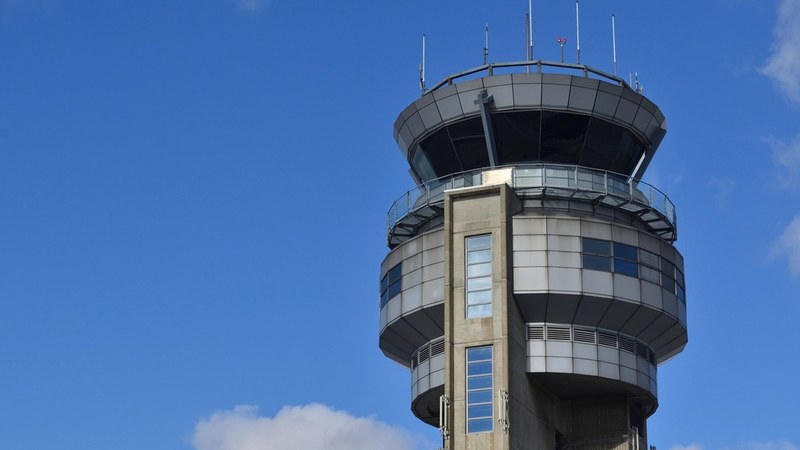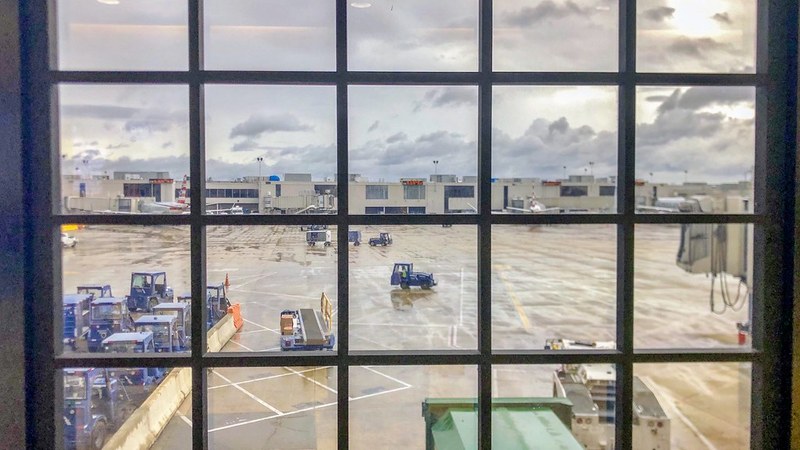
Severe thunderstorms across the New York metropolitan area on August 8, 2026, forced the Federal Aviation Administration (FAA) to impose ground stops at Newark Liberty International Airport, John F. Kennedy International Airport (JFK), and LaGuardia Airport. By late evening, 930 flights had been canceled across the three airports combined, impacting airlines including Delta Air Lines, American Airlines, United Airlines, JetBlue, Southwest Airlines, and Alaska Airlines.
FAA Ground Stops and Current Delays at New York Airports
The ground stops at JFK and LaGuardia were lifted around 8:30 PM Eastern Time on August 8, while Newark Liberty continued under an active FAA delay program, with arrivals facing an average wait time of
approximately one hour and 15 minutes. Ground stops for Newark and JFK remained expected to continue until about 10:00 PM ET. The FAA’s traffic management measures, tied to severe weather conditions, contributed to these extended delays and cancellations.
Additional Transportation Disruptions and Nationwide Impact
Severe weather also prompted NJ Transit to suspend rail service on the evening of August 8, adding complications for passengers accessing the New York airports. FlightAware data showed over 1,000 flights delayed at metropolitan New York airports as of 9:45 PM ET on August 8. These disruptions extend beyond New York, with the area’s airports sharing arrival corridors managed by a single
FAA radar facility. Severe weather over Queens thus affects inbound flights nationwide, resulting in departures being delayed from cities with clear skies, such as Dallas, Denver, and Los Angeles.
FAA Procedures and Newark’s Structural Constraints
Newark Liberty faces unique operational constraints that slow its recovery from weather disruptions compared to JFK and LaGuardia. Since July 2024, FAA radar approach control for Newark has been managed by the Philadelphia TRACON facility, altering sequencing processes during high-demand periods. Additionally, the FAA limits Newark to 72 flight movements per hour under an order effective through October 24, 2026. These factors limit Newark’s ability to absorb reduced arrival rates caused
by thunderstorms, prolonging delays and cancellations relative to the other two airports.
Airline Travel Waivers and Passenger Options
Delta Air Lines, American Airlines, United Airlines, JetBlue, Southwest Airlines, and Alaska Airlines issued travel waivers to affected passengers. American Airlines’ waiver covers travel from August 7 through 9, 2026, with change requests due by August 9. Delta’s waiver includes travel between August 6 and 8, allowing rebookings through August 11. United Airlines covers travel from August 5 to 10, with travel completion required by August 10. JetBlue’s waiver applies to August 7 travel, permitting rebooking until August 12, while Southwest and Alaska Airlines issued waivers for disruptions
on August 6 and 7. The waivers allow free rebooking or cancellations without fees but do not permit switching between New York airports without paying any fare difference.
Passengers whose flights were canceled retain the right to a full cash refund under Department of Transportation rules, regardless of airline waivers. Passengers opting not to accept rebooking offers are entitled to refunds to their original payment methods, as waivers do not override this regulation.
FAA Statement on Causes of Disruption
The FAA cited “severe weather and staffing constraints at the New York Air Route Traffic Control Center” as the drivers behind the disruptions. The Center in Ronkonkoma,
Long Island, manages high-altitude enroute airspace for the region and impacts all three major New York airports when traffic flow is constrained.
Passengers can monitor live flight statuses via the FAA’s National Airspace System Status page and FlightAware. Due to prolonged disruptions and fluctuating conditions, these sources provide the most current information on ground stops, delays, and cancellations at Newark Liberty, JFK, and LaGuardia airports.