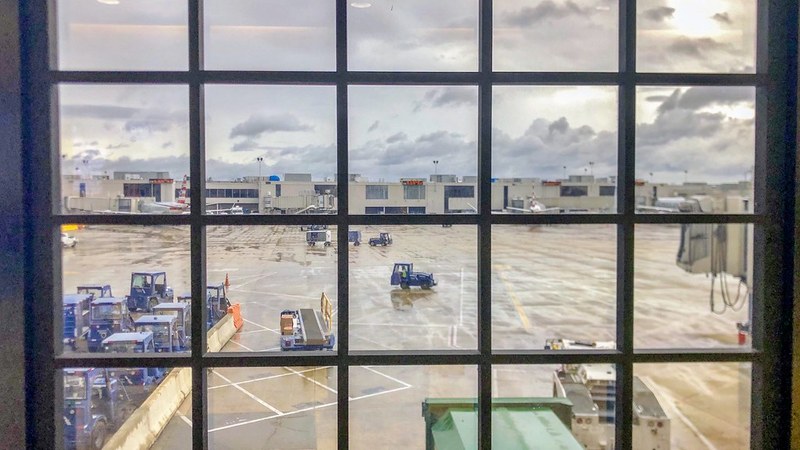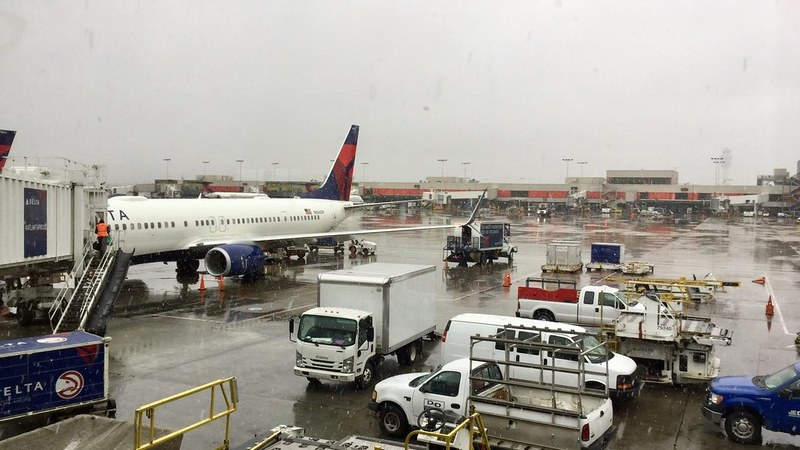
The Federal Aviation Administration (FAA) imposed ground stops at Newark Liberty International Airport, John F. Kennedy International Airport, and LaGuardia Airport on August 8, 2026, amid severe thunderstorms across the New York metropolitan area. The disruptions resulted in a combined total of 930 flight cancellations at the three airports by late evening, Travelers Today reported.
Ground Stop Updates and Arrival Delays
Ground stop restrictions at LaGuardia and JFK were lifted around 8:30 PM Eastern Time on August 8, according to PIX11 reporting, restoring normal flight status shortly thereafter. Newark Liberty’s ground stop was expected to remain in effect until approximately 10:00 PM ET, with arrivals experiencing
average delays of 1 hour and 15 minutes caused by weather-related air traffic management measures.
Causes of Disruption and Air Traffic Control Constraints
The FAA attributed the flight disruptions to severe weather coupled with staffing limitations at the New York Air Route Traffic Control Center, which manages high-altitude enroute traffic for the region. This center coordinates traffic flow into the arrival corridors shared by the three New York airports. Reductions in arrival capacity at any one airport cascade to the others, prompting ground delay programs affecting inbound flights nationwide.
Newark Airport Operational Limits and Recovery Challenges
Newark Liberty faces additional recovery constraints due to a federal operational cap limiting it to 72 aircraft movements per
hour through October 24, 2026. Since July 2024, Newark’s radar approach control was shifted from New York TRACON to Philadelphia TRACON, affecting sequencing during peak demand periods. These factors impede Newark’s ability to recover quickly from weather-related arrival rate reductions compared to JFK and LaGuardia, which have no similar hourly movement restrictions.
Airline Waivers and Travel Change Deadlines
Several major airlines issued travel waivers to accommodate affected passengers. American Airlines’ waiver covers travel from August 7 through 9 for tickets purchased by August 5, with rebooking deadline August 9. Delta Air Lines’ SkyWatch advisory applies to travel August 6 to 8 with ticket issue cutoff August
6 and rebooking allowed through August 11. United Airlines extends waiver coverage from August 5 through 10, requiring travel within those dates and same cabin and city pairs. JetBlue’s waiver permits changes for August 7 travel booked before August 6, with rebooking through August 12. Southwest and Alaska Airlines also issued waivers for disruptions during August 6 and 7, though exact terms remain unverified.
All waivers generally do not allow free changes between the New York airports without paying fare differences.
Traveler Impact and Transportation Disruptions
Alongside the flight cancellations and delays, NJ Transit suspended rail service during the evening of August 8, complicating ground
transportation options to the airports. Passengers affected by cancellations retain the right to full cash refunds under Department of Transportation rules regardless of airline waivers. Flight status information can be monitored through the FAA National Airspace System Status page and FlightAware for real-time updates. Travelers are advised that inter-airport transfers are not covered by waivers and may incur additional costs.
The FAA described the situation as caused by “severe weather and staffing constraints at the New York Air Route Traffic Control Center,” according to a statement cited by Bloomberg Law.