The European Union launched the biometric Entry/Exit System (EES) at its external borders in October 2025, digitizing the registration of non-EU travelers across 29 Schengen countries. The system records personal data, time and place of crossing, as well as facial images and fingerprints, replacing traditional manual passport stamps. The phased rollout allows member states to activate border posts gradually, aiming for full operational status by spring 2026.
Operational Impact and Passenger Delays
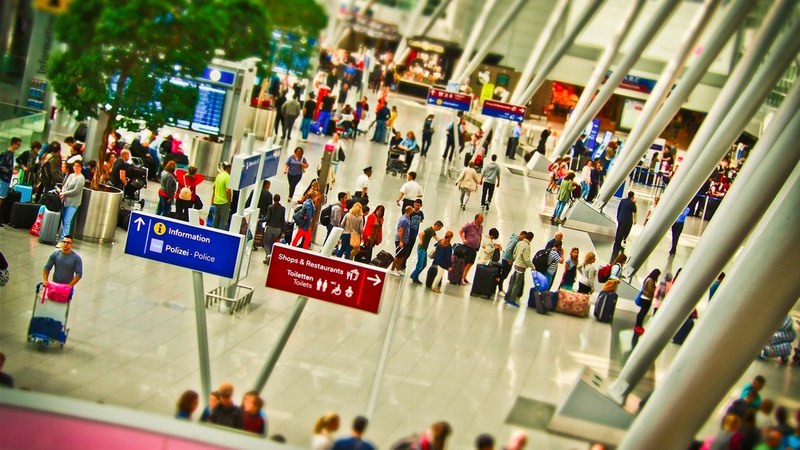
Since the EES biometric checks became mandatory at more airports and land borders, queues reached up to two hours during busy periods in early 2026, especially affecting travelers providing initial biometric enrollment. Manual
passport stamping persists at some locations along with digital recording, effectively duplicating processes and slowing border control. Reports from major Schengen airports and the Croatia–Serbia land crossing describe bottlenecks leading to missed flights and extensive waits. Family groups, elderly passengers, and those unfamiliar with biometric kiosks experience additional processing delays due to required manual assistance.
Official Responses and Industry Concerns
European aviation authorities and airline organizations have warned that enforcing full biometric registration during peak travel seasons could cause multi-hour queues at key hubs. They note that border staffing and infrastructure have not yet caught up with the system’s complexity. Technology issues, limited kiosk availability,
and the need for manual intervention magnify delays. The European Commission and national governments are urged to use the EES flexibility provisions to reduce biometric capture levels during periods of excessive congestion. European Parliament documents confirm member states can restrict biometric registration temporarily to maintain processing flow.
Traveler Guidance and System Improvements
Travel advisory updates from European and non-European governments recommend arriving earlier at airports and consulting terminal-specific instructions to accommodate longer border control times. Airlines and airports provide pre-departure information, including biometric kiosk locations and automated gate maps. Repeat travelers who have completed initial biometric enrollment can expect faster border crossings, as subsequent visits
require fewer checks. National authorities continue infrastructure upgrades at land and air border points to streamline biometric processing.
Impact on Tourism and Future Expectations
Tourism boards and travel trade groups express concerns that prolonged border delays risk undermining Europe’s appeal to long-haul visitors accustomed to rapid electronic processing elsewhere. Land border crossings experience unique challenges from irregular vehicle arrival patterns that complicate biometric registration throughput. Analysts suggest that operational lessons from land borders, like the Croatia–Serbia frontier, might improve airport passenger handling as EES matures. Despite early deployment difficulties, the EES aims to improve security and facilitate quicker future crossings once travelers are enrolled.