More than 150 flights departing Sydney Airport were delayed on the morning of August 7, 2026, with some delays lasting up to 80 minutes. Air Traffic Flow Management (ATFM) measures were in effect from 8:20am to 11:15am to manage the high airborne and departure demand safely.
Impact on Major Australian Airlines
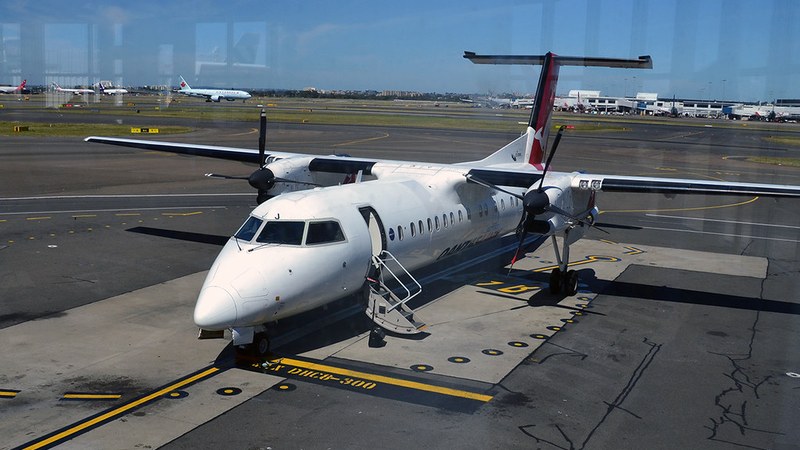
The Qantas Group experienced rolling delays affecting approximately 75 flights through the day, though no further cancellations occurred beyond those in the morning. At least 27 Qantas-operated flights were delayed, while QantasLink reported 23 delays and four cancellations. Jetstar had 25 delayed flights, and Virgin Australia confirmed delays up to 80 minutes during the
morning hours but worked to reduce disruption.
Cause of Delays: Shortage of Air-Traffic Controllers
The disruption was primarily caused by a shortage of air-traffic controllers at Sydney Airport. Staffing shortages, including controllers being unwell or unavailable, prompted Airservices Australia to impose operational restrictions. The ATFM procedures were introduced to maintain safety by managing aircraft departures and arrivals at one of Australia’s busiest airports.
Official Responses and Industry Concerns
Airservices Australia confirmed the delays ended around noon, with an average wait time of 28 minutes during the disruption. They stated, “capacity has now been restored and no further significant delays are anticipated.” The agency described their controllers as “incredibly proud and dedicated to
performing what is a demanding, safety-critical role.”
Stephen Beckett, chief executive of the airline peak body A4ANZ, called for increased staffing, saying, “[They need to] ensure there are enough air-traffic controllers, so that when people are unwell or have other commitments, the national network doesn’t grind to a halt.” Beckett also highlighted the impact on passengers, stating, “Thousands of passengers are disrupted, with some missing international connections. This has to stop.”
Passenger Impact and Operational Context
The delays caused widespread disruption for thousands of passengers, with some missing international connections. QantasLink cancelled four flights as a direct result of the operational restrictions. Despite the disruption
on August 7, data shows a 13% decrease in ground delays over the year leading to June 2026, accounting for less than 0.1% of total network delays in that financial year.
Sydney Airport remains one of Australia’s most congested hubs, limited by slot constraints and curfews. The upcoming launch of Western Sydney International airport is expected to provide additional capacity without such operational restrictions. Meanwhile, Qantas retained its record as the top punctuality airline in the country for the eighth consecutive year, with more than 81% of domestic and regional flights departing on time in the year to June 2026.