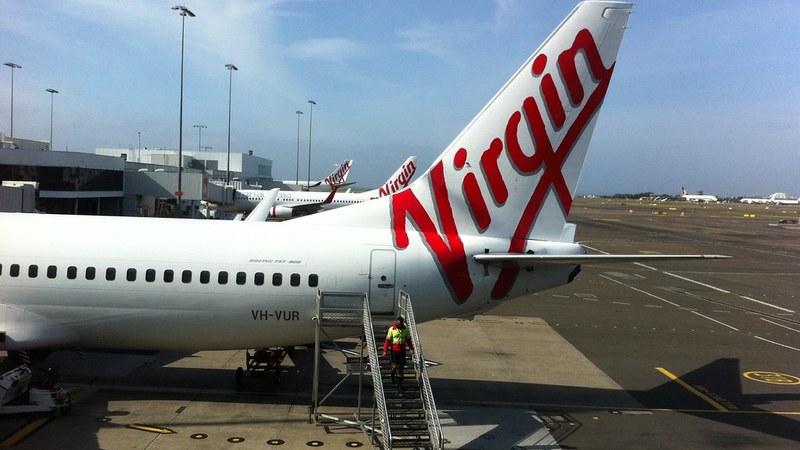
Dozens of flights departing from Sydney Airport were delayed by up to 80 minutes on the morning of August 7, 2026, affecting over 150 flights across multiple airlines. The delays started at 8.20am and continued until 11.15am, triggered by a shortage of air traffic controllers managing the busy airport.
Airlines Affected and Extent of Delays
The Qantas Group faced significant impacts, with 27 Qantas flights and 23 QantasLink flights delayed on the morning of August 7. Additionally, QantasLink cancelled four flights that day. Jetstar, also part of the Qantas Group, had 25 of its flights delayed. Virgin Australia flights experienced delays of up to 80 minutes
on the same morning.
Airservices Australia Response and Measures
Airservices Australia, responsible for air traffic control at Sydney Airport, implemented Air Traffic Flow Management (ATFM) measures between 8.20am and 11.15am on August 7 to safely manage the airspace and departure demands amid operational constraints caused by staff shortages. By midday, Airservices Australia confirmed capacity had been restored and no further significant delays were expected. They noted ground delays have decreased by 13% over the past year to June 2026, representing less than 0.1% of total network delays.
Impact on Passengers and Industry Reactions
The morning delays disrupted thousands of passengers, with some missing international connections. Rolling delays continued into the afternoon
affecting 75 Qantas Group flights, although no additional cancellations were reported after the morning. Stephen Beckett, CEO of the airline peak body Airlines for Australia and New Zealand (A4ANZ), criticized the shortage of air traffic controllers, stating, “[They need to] ensure there are enough air-traffic controllers, so that when people are unwell or have other commitments, the national network doesn’t grind to a halt.” He added, “Thousands of passengers are disrupted, with some missing international connections. This has to stop.”
Airport Congestion and Future Developments
Sydney Airport is one of Australia’s most congested airports, operating under slot constraints and curfews that contribute to operational challenges.
The upcoming opening of Western Sydney International Airport is expected to provide competition without similar restrictions. Airservices Australia praised their controllers as “incredibly proud and dedicated to performing what is a demanding, safety-critical role.” In June 2026, almost 85% of Qantas flights departed on time, and the airline has held the number one punctuality ranking for eight consecutive years, with over 81% of domestic and regional flights on schedule for the year to June.