The European Union’s biometric Entry/Exit System (EES) began operation in October 2025 at the external Schengen borders, introducing digital registration for non-EU nationals crossing into 29 participating European countries. The system replaces manual passport stamping with recording biometric data, including facial images and fingerprints, to enhance security and automate stay calculations.
Phased Rollout and Technical Oversight
EES is undergoing a phased rollout with full operational capacity expected by spring 2026. The EU agency eu-LISA manages the technical operations, while national border authorities are responsible for collecting data directly at airports, seaports, and land crossings. Initially, manual passport stamping continues alongside biometric checks at some locations
as the transition progresses.
Passenger Impact and Processing Delays
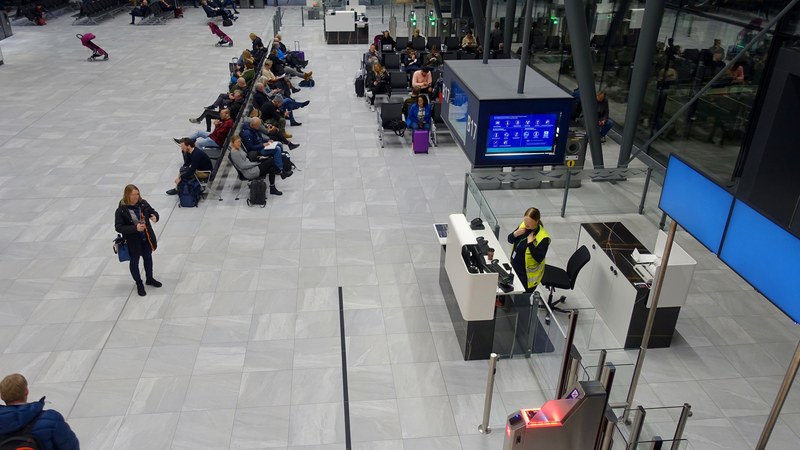
Since EES implementation, travelers arriving from non-EU countries have faced increased wait times at border controls. At peak periods in early 2026, wait times of up to two hours were reported at major airports processing passengers from the UK, US, and other third countries. These longer queues notably affect first-time EES users who undergo full biometric enrollment, while repeat travelers experience faster processing with fewer biometric queries.
Causes of Delays and Operational Challenges
The simultaneous use of manual stamping and biometric registration during EES rollout prolongs processing times. The Independent cited industry groups warning that border staffing and infrastructure have not expanded
sufficiently to meet the new biometric requirements. Reports highlight technology issues, limited kiosk availability, and manual support for families and elderly travelers as contributing factors to queue congestion.
Land Border Congestion and Traveler Guidance
Delays are not limited to airports. The Croatia–Serbia land border experienced several-kilometer-long queues during the summer holiday peak, partly due to EES processing requirements. EU member states encourage travelers to arrive earlier and follow updated guidance on biometric procedures. Authorities can temporarily reduce biometric enrollments during congestion to ease queue pressure.
Industry and EU Agency Responses
Industry associations have raised concerns that staffing and physical infrastructure have lagged behind the complexity introduced by EES, increasing passenger wait
times reported by The Independent. EU documentation notes that after initial enrollment, EES is designed to speed up border crossings and includes provisions allowing national authorities to scale back biometric data collection when queues become excessive.