Severe storms sweeping the US Northeast on August 6, 2026, caused over 2,200 flight cancellations and delays today at major airports including Boston Logan, New York LaGuardia and Newark Liberty, Philadelphia, and Charlotte. The disruptions coincide with peak summer travel, complicating operations across the region’s most congested hubs.
Key East Coast Airports See Significant Disruptions
Boston Logan Airport reported dozens of cancelled departures and hundreds of delayed flights amid heavy thunderstorms crossing coastal New England. New York’s LaGuardia and Newark Liberty airports faced frequent delays from thunderstorms intersecting with congested airspace. Philadelphia and Charlotte airports saw operational slowdowns during frontal systems pushing into the Mid-Atlantic, causing cascading
cancellations.
Airline Operational Challenges Intensify Delays
Storm-related ground stops and traffic management programs forced air traffic control to restrict arrival and departure rates, slowing flights at weather-affected hubs. Traffic metering during storms generated long queues, especially during busy afternoon and evening hours. Crew duty limits increased cancellations as crews reached maximum allowed hours waiting for clearance or gates. American Airlines and Southwest Airlines were heavily impacted, stretching resources during the disruptions.
Passenger Experience Marked by Delays and Rebooking Difficulties
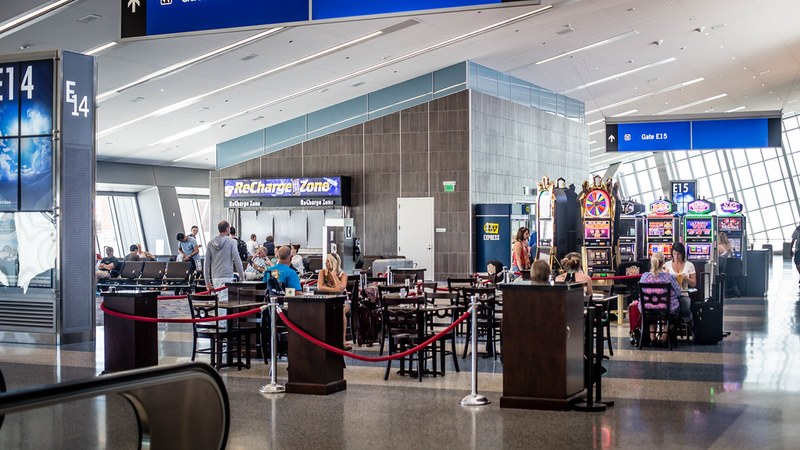
Passengers faced multi-hour tarmac holds, rolling departure times, and last-minute cancellations. Terminals were crowded with long lines at customer service desks, and call centers were overburdened handling rebookings. Missed connections were frequent during late-afternoon
and early-night storm flares, with many passengers rebooked for the following day. Delays sometimes continued into mornings as airlines repositioned crews and aircraft.
Airline Mitigation and Traveler Guidance
Airlines increasingly used flexible travel waivers for Northeast storms, allowing changes or cancellations without penalty to reduce passenger volume. Some carriers adjusted schedules ahead of storms by trimming frequencies and consolidating flights at impacted hubs. Despite Tropical Storm Bertha making landfall in Louisiana on July 22, 2026, it is unrelated to the current Northeast disruptions. Passengers should monitor flight statuses and consider early-morning departures, which have a lower risk of weather delays.
Wider Impact and Network Effects
Operational slowdowns at connection airports
propagated cancellations beyond the East Coast, affecting travelers across the Midwest, South, and West Coast. High passenger volumes and lean staffing during summer exacerbated the impact of storms on the aviation network. FlightAware reported over 3,000 nationwide flight cancellations this week due to severe weather. The Department of Transportation mandates airlines issue refunds for cancellations, although weather-related delays outside airline control do not require refunds.
Complexity of East Coast Airspace and Industry Response
The East Coast’s complex airspace and dense summer schedules complicate traffic management when storms block arrival and departure routes. Air traffic control meters traffic aggressively for safety, reducing landing and takeoff rates during thunderstorms. Staffing
constraints and crew duty time limitations led to additional cancellations as crews reached maximal working hours. Flexible travel waivers have become a common mitigation strategy for airlines dealing with these recurrent storm disruptions.