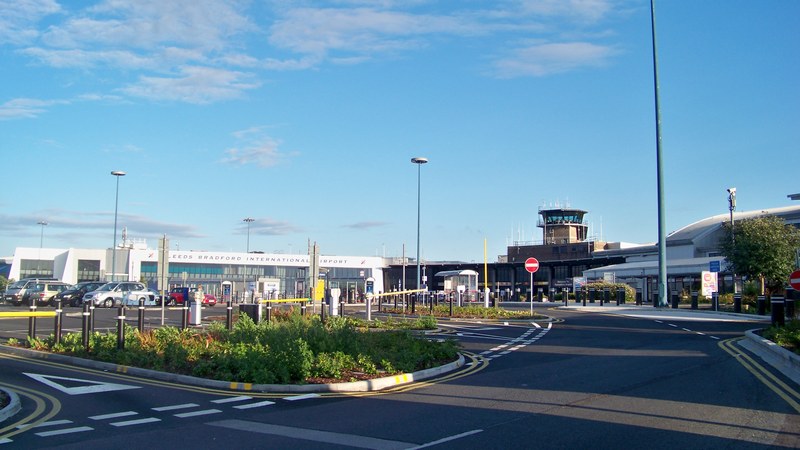
The European Union introduced the biometric Entry/Exit System (EES) in October 2025 to record non-EU nationals crossing the Schengen area’s external borders. The system, now active at airports, land, and sea points across 29 European countries, replaces manual passport stamping with biometric digital identification.
Biometric Features and Phased Rollout Across Borders
EES captures facial images and fingerprints, storing traveler details and timing of entry and exit digitally instead of ink stamps. The phased deployment continues through spring 2026, with member states gradually activating border posts. This approach allows flexibility during peak travel periods as the system gains full operational status.
The European Union agency eu-LISA manages the
IT infrastructure, while national border authorities conduct data collection from arriving passengers. European Parliament and Data Protection Supervisor oversight accompany the rollout to ensure compliance.
Operational Impacts: Queues, Delays, and Check Redundancies
The mandatory biometric component has lengthened wait times at many Schengen airports. Early 2026 reports detail queues lasting up to two hours, especially for travelers completing their initial biometric enrollment. Manual passport stamping remains active at some borders alongside digital checks, creating duplicated processes slowing border control.
Bottlenecks emerged notably at airports with high volumes of UK, US, and other third-country visitors, as well as at the Croatia–Serbia land border. Unpredictable vehicle flow and incomplete
infrastructure upgrades contribute to congestion on land routes. Longer processing times have led some passengers to miss onward connections.
Staffing Challenges and Biometric Enrollment Flexibility
Border agencies face difficulties as staffing and kiosk infrastructure have not expanded at the speed required to handle biometric enrollment complexities. To alleviate pressure, the EU permits member states to temporarily lower the number of travelers undergoing full biometric registration during peak congestion to maintain flow.
Traveler Consequences and Updated Guidance
Passengers from non-EU countries encounter extended queue times and are advised to arrive earlier at airports. Elderly travelers, families, and those unfamiliar with self-service kiosks face additional processing delays due to manual assistance needs. Official
EU travel advice now emphasizes allowing extra time at border control.
Industry Concerns and Competitive Risks
European airport and airline associations warn that the biometric checks’ complexity and resource constraints increase travel disruption risk during peak seasons. Industry groups highlight that staffing and technology upgrades have not matched the EES rollout pace. Tourism bodies fear ongoing delays could affect Europe’s attractiveness to long-haul visitors accustomed to faster e-gate systems elsewhere.
Lessons from Land Borders for Airport Operations
Congestion at land crossings like the Croatia–Serbia border during summer 2026 exemplifies challenges of processing biometric data under irregular vehicle arrival patterns. Transport analysts suggest insights from these land border implementations may guide improvements at
airports to better manage passenger flow and reduce wait times as EES matures.