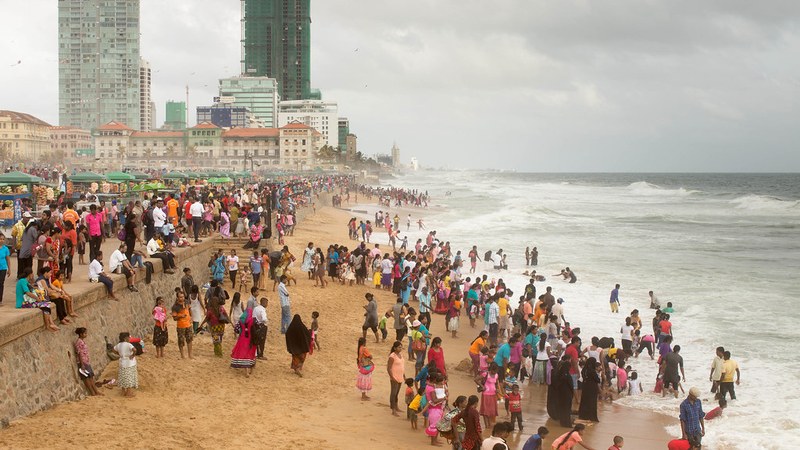
Sri Lanka’s tourism sector has significantly recovered from recent challenges, becoming a key contributor to economic revival by 2026, according to Prime Minister Dr. Harini Amarasuriya. The country generated approximately USD 3.2 billion in tourism revenue in 2025, with tourist arrivals exceeding 1.3 million from January to July 2026. Tourism-related employment has reached over 429,000 direct and indirect jobs, underscoring the sector’s impact on local communities.
Government’s 2030 National Tourism Vision Targets
The Government of Sri Lanka has set ambitious goals under its National Tourism Vision for 2030, aiming to attract five million tourist arrivals, expand the tourism workforce to 800,000 people, and generate USD 10
billion in tourism revenue by 2030. These targets form the foundation of the country’s strategic plan to expand its tourism sector and strengthen its economic contribution.
Announcement Made at SLITHM 45th Graduation Ceremony
Prime Minister Dr. Harini Amarasuriya announced these objectives on July 31, 2026, at the 45th Graduation Ceremony of the Sri Lanka Institute of Tourism and Hotel Management (SLITHM), held at the Bandaranaike Memorial International Conference Hall (BMICH) in Colombo. Established in 1964 as the Ceylon Hotel School by the Government of Sri Lanka, SLITHM has been instrumental in training skilled tourism professionals for over six decades. The graduation event included the attendance of Deputy
Minister of Tourism Prof. Ruwan Ranasinghe, Secretary to the Ministry of Tourism Dheera Hettiarachchi, SLITHM Chairman Wasantha Manthripala, and SLITHM’s CEO/Director General.
Focus on Professional Qualities and Inclusion
The Prime Minister highlighted that meeting the 2030 tourism targets requires professionals who possess not only technical expertise but also environmental responsibility, ethical grounding, adaptability, and commitment to high-quality service. She commended SLITHM for fostering inclusion by creating pathways for persons with disabilities to participate in the tourism industry. Additionally, the Prime Minister stressed the importance of gender equality and the establishment of safe workplaces to facilitate greater participation of women, promoting a balanced and productive tourism workforce.
SLITHM’s Role and Tourism Employment Impact
SLITHM has gained national and international recognition for its role in developing skilled professionals for the tourism and hotel sectors. Its efforts contribute to building a workforce equipped to support Sri Lanka’s expanding tourism industry. The growth of tourism employment, both direct and indirect, with over 429,000 jobs, highlights the sector’s significance for the welfare of Sri Lankan families and communities as the country continues its economic recovery.